
Broken Garage Door Springs
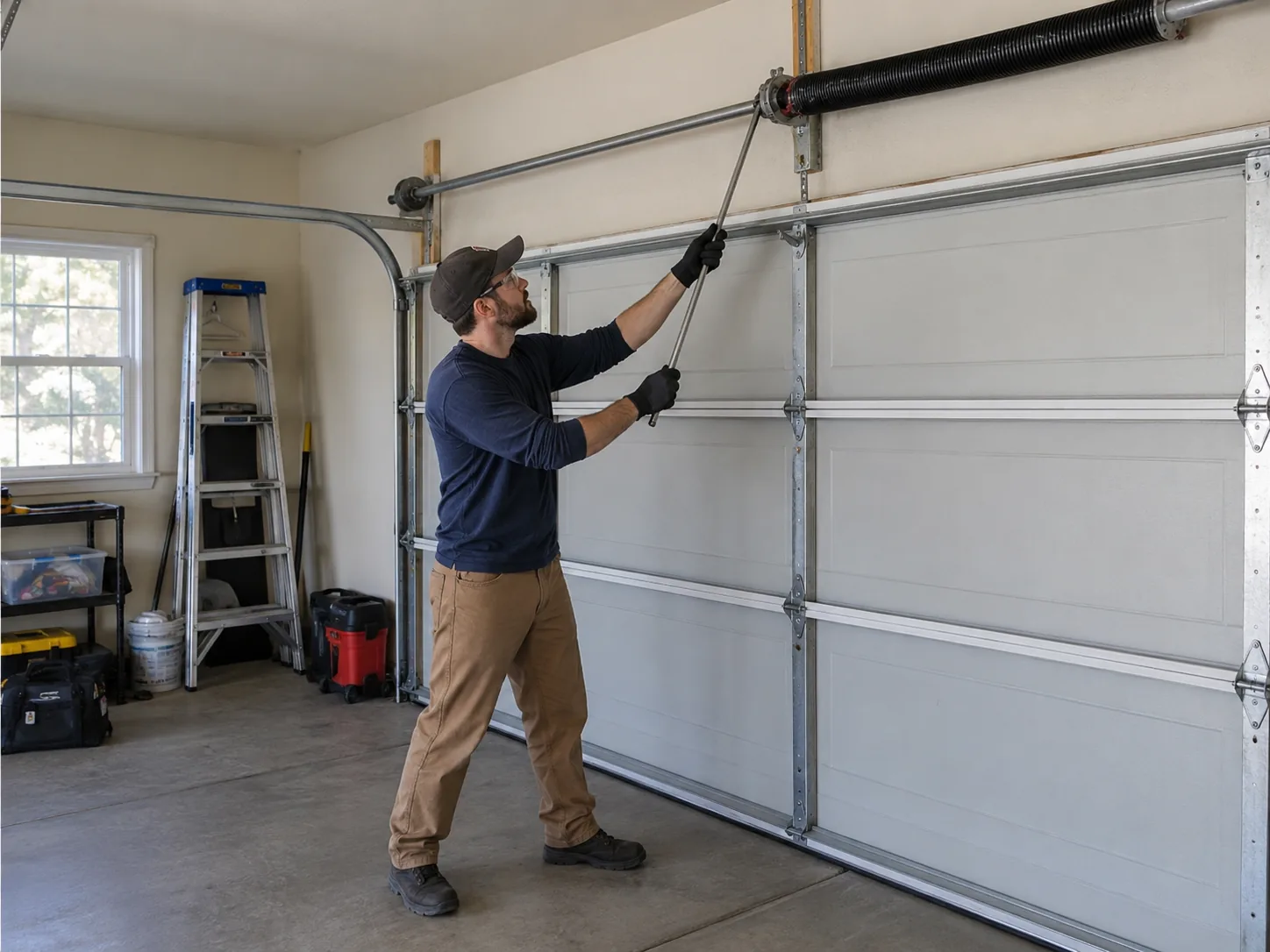
Garage door springs eventually reach the end of their useful cycle life after years of repeated opening and closing.
Local garage door service · Schaumburg, IL
Garage door repair and installation for Schaumburg homes spanning 1938 through 2009, covering commercial garage doors, emergency service, off-track repair, opener installation, spring repair, and the mixed-generation systems common across the area's 1960s- and 70s-heavy housing stock.
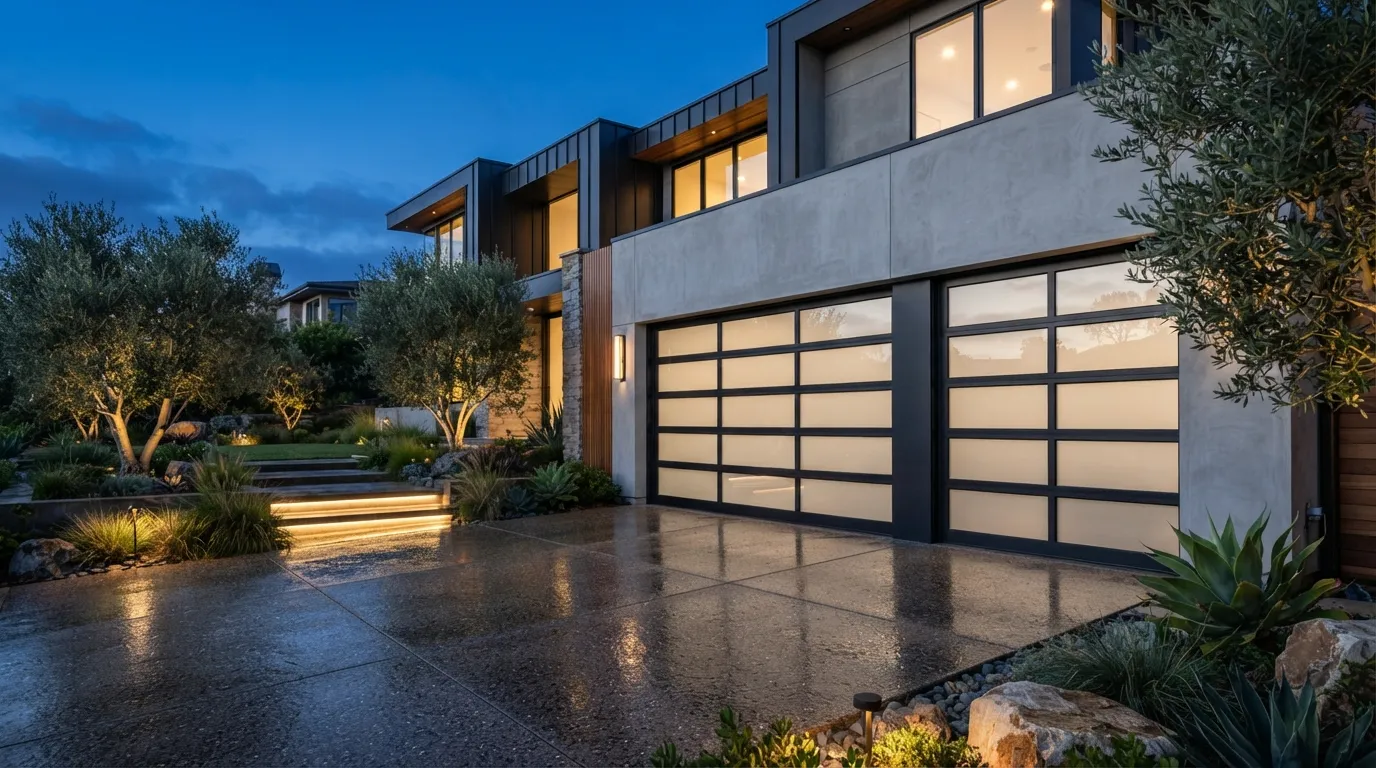
Garage door services
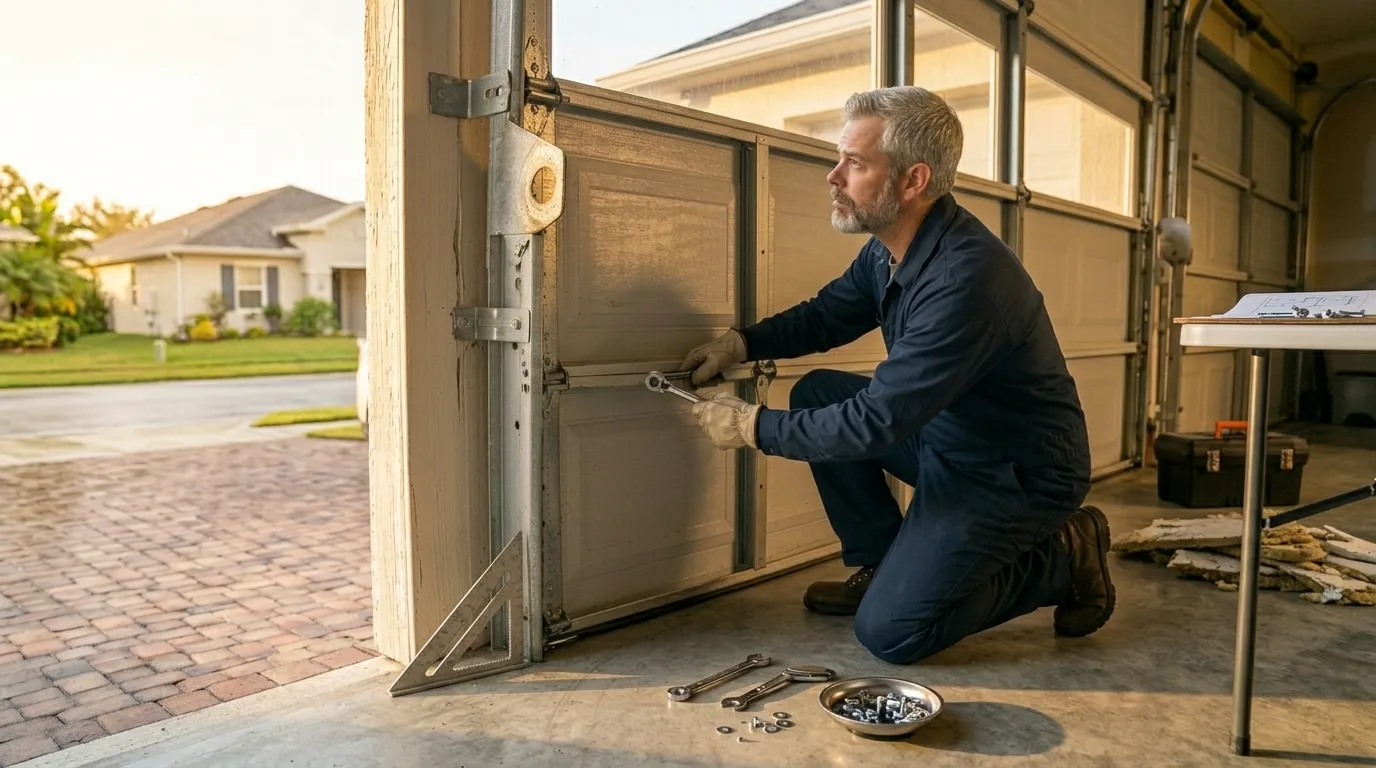
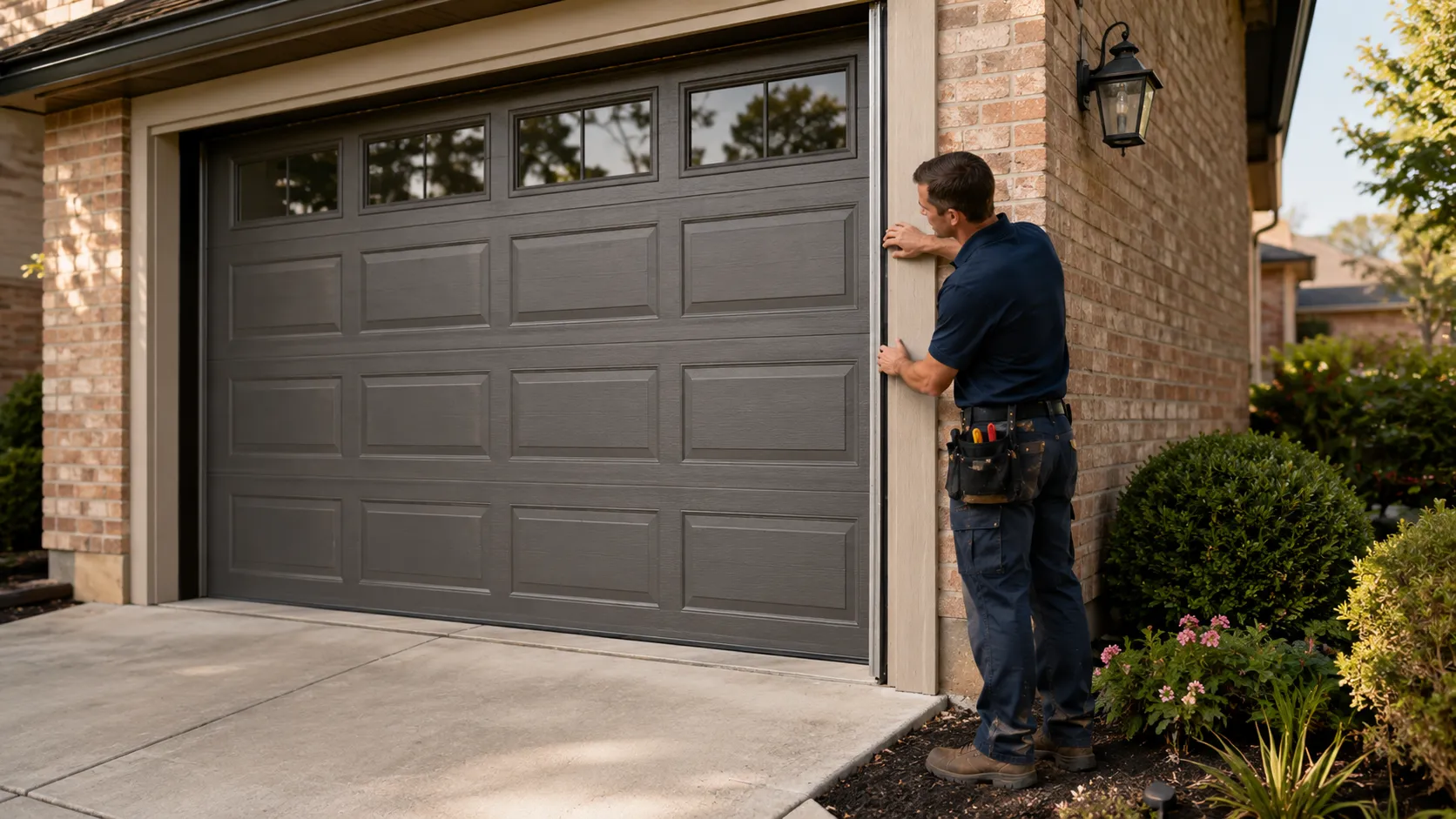
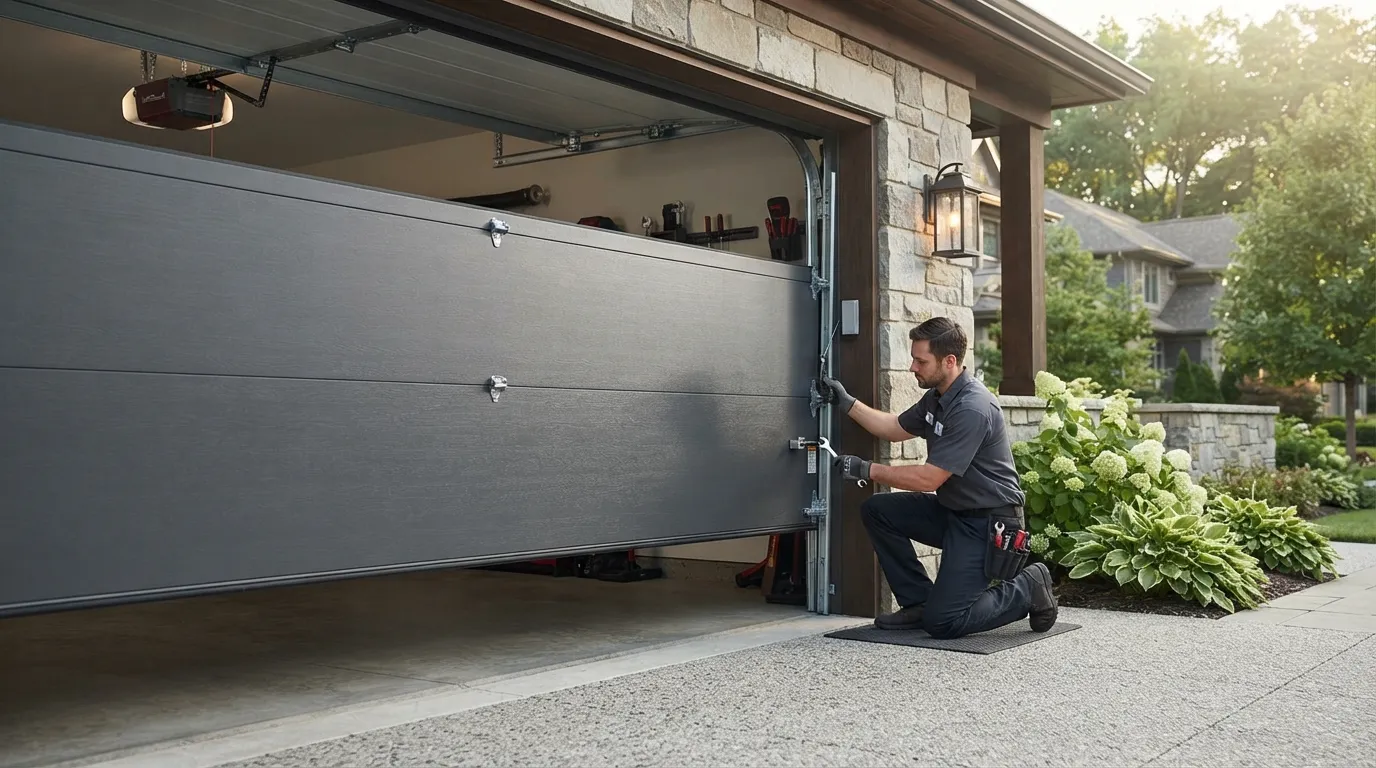
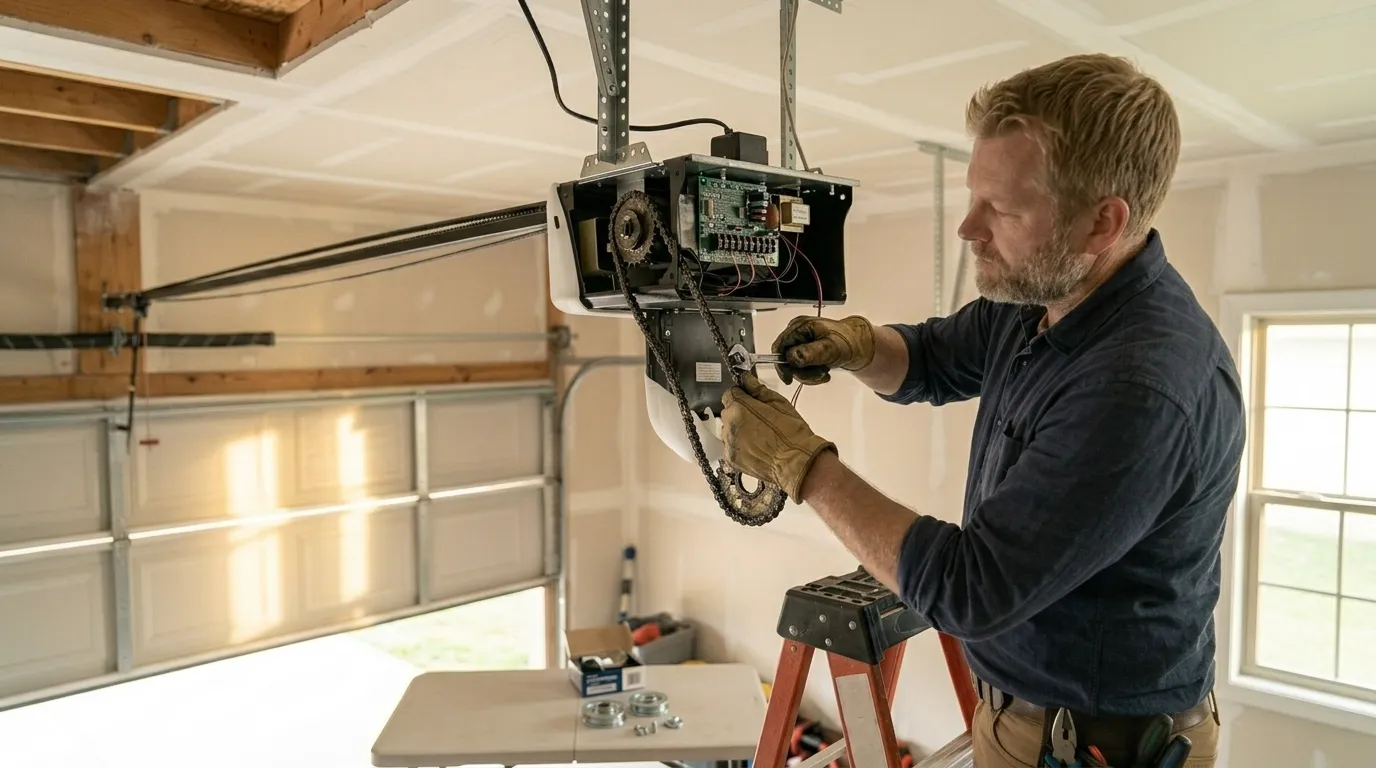
From commercial garage doors and emergency repair to installation, off-track service, opener installation, spring repair, and general garage door work, the lineup is built around the systems common across Schaumburg's mixed-age housing stock.
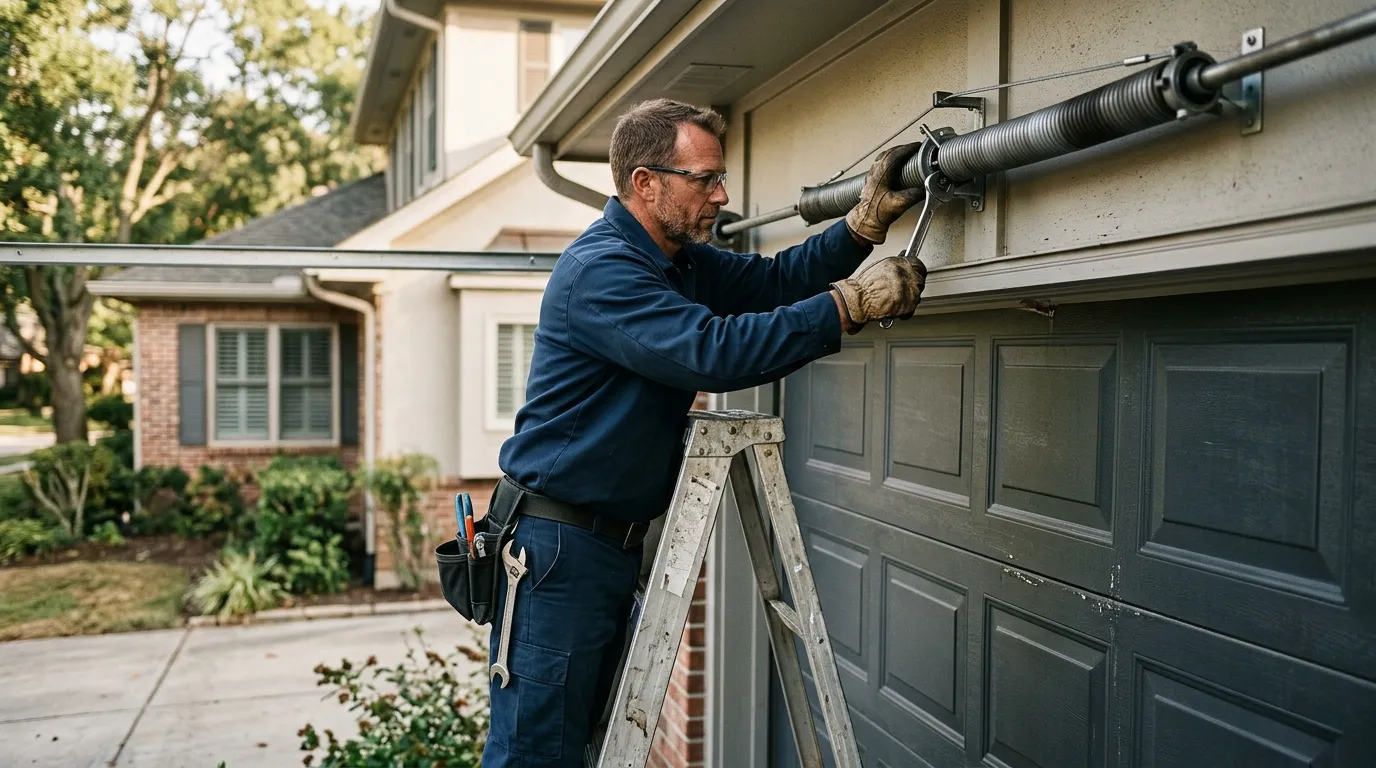
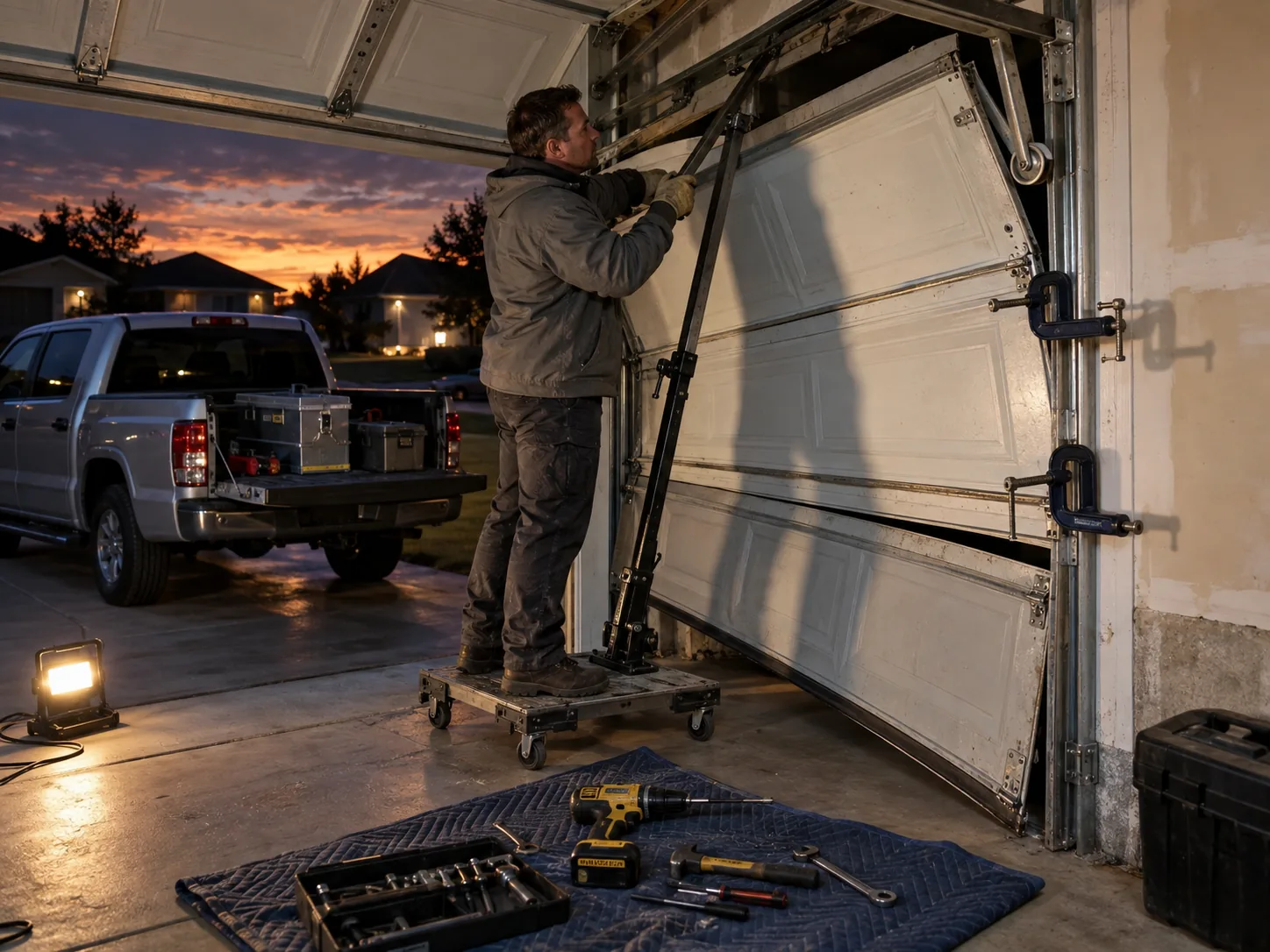
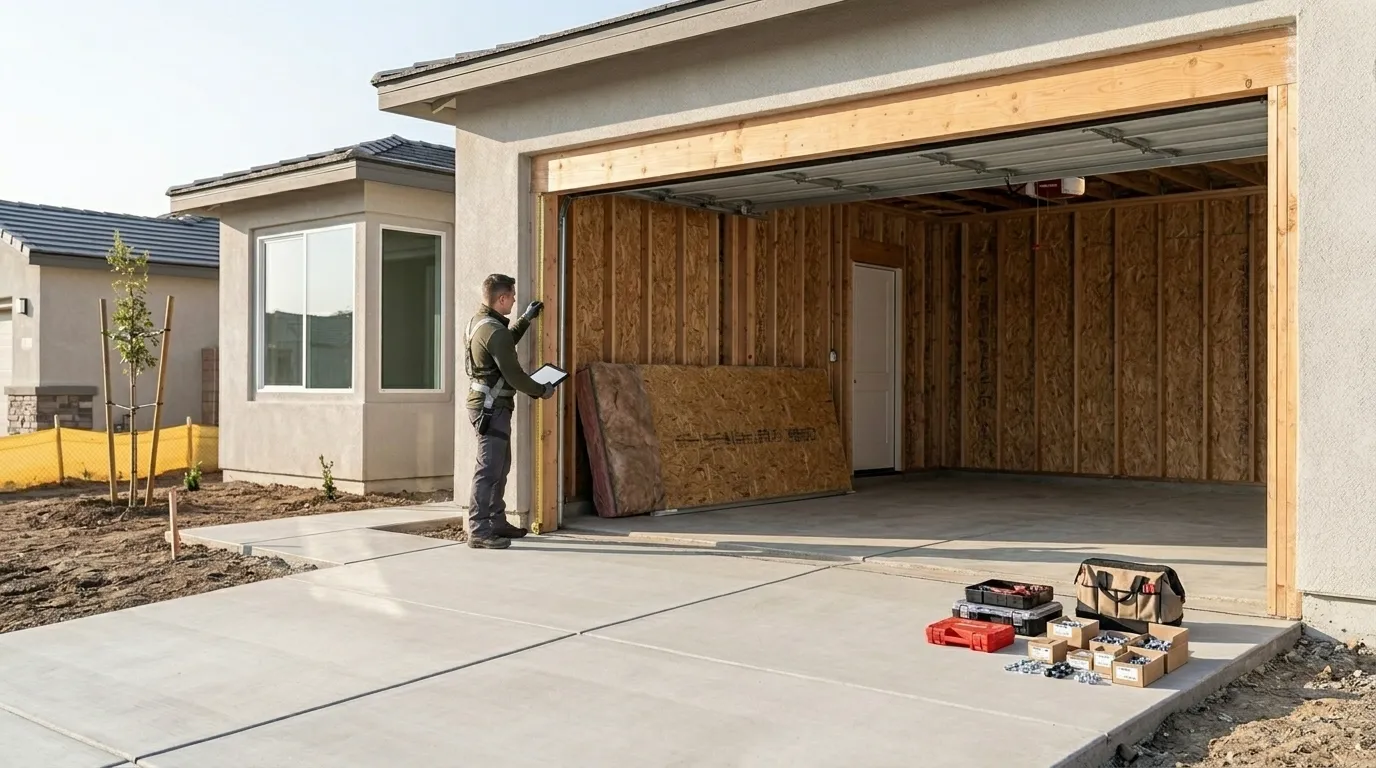
Schaumburg + surrounding suburbs
The broader Schaumburg-area footprint covers roughly 30 towns, with many of the closest communities sharing similar 1960s- and 70s-era housing and garage door hardware.
Roselle sits about three miles out, Hanover Park around four, and Streamwood, Itasca, and Bloomingdale around five miles from Schaumburg.
South Barrington and Inverness are around six miles, Bartlett and Wood Dale around seven, and Mount Prospect around eight.
The broader footprint continues through communities such as Elmhurst, Glen Ellyn, West Chicago, South Elgin, Prospect Heights, and Wheeling, roughly ten to twelve miles away.
For this site's configured architecture, the homepage service-area list is limited to Algonquin, Bartlett, Bloomingdale, Elmhurst, Hanover Park, Mount Prospect, Roselle, and Streamwood.
Clear repair guidance
There isn't one flat repair price, because spring work, commercial service, opener installation, off-track repair, installation, and other jobs involve different parts and labor.
Spring size, door weight, track condition, cable wear, roller condition, opener age, and whether an older component is still available can all change the repair scope.
Median household income across the broader service area runs around $112,168, but the price still comes from the door in front of us.
We price the actual door and repair rather than the neighborhood or town.
Older doors may also require a repair-versus-replacement discussion when discontinued components or multiple aging parts make continued patching less practical.
Common Schaumburg garage door problems
Broken springs, opener failures, worn rollers, cable problems, bent tracks, and aging hardware make up much of the work across Schaumburg's mixed-age housing stock. Broken torsion springs are a recurring repair need, particularly on older garage doors that have accumulated years of regular cycles; opener problems are another common category, including aging circuit boards, gears, motors, controls, and other operating components; bent tracks result from impact, while cable problems develop after years of wear or limited maintenance; and rollers become noisy, cracked, rough, or resistant after years of daily travel. The correct repair depends on inspecting the whole system instead of assuming one symptom always points to one part.
Garage door springs eventually reach the end of their useful cycle life after years of repeated opening and closing.
Older opener boards, gears, motors, sensors, controls, and drive components can eventually develop operating problems.
Rollers can become noisy, rough, cracked, damaged, or resistant after years of regular track travel.
Impact, roller problems, cable issues, or loosened hardware can interfere with reliable track alignment.
Cables can fray, loosen, slip, or fail after years of carrying repeated lifting loads.
Local housing matters
The broader source service area spans homes built from 1938 through 2009, with much of the housing concentrated in the 1960s and 70s across roughly 92 named subdivisions.
That creates a mix of older steel doors, torsion hardware, original tracks, replacement openers, newer insulated doors, and systems that may have been updated one component at a time.
Side-mounted torsion arrangements are common on some older homes, while newer infill and later-built pockets are more likely to have newer sectional doors and center-mounted rail openers.
A spring, track, opener, or panel from a 1960s-era garage may differ substantially from one installed in the 2000s.
The build era provides useful context, but the correct repair depends on the hardware currently installed.
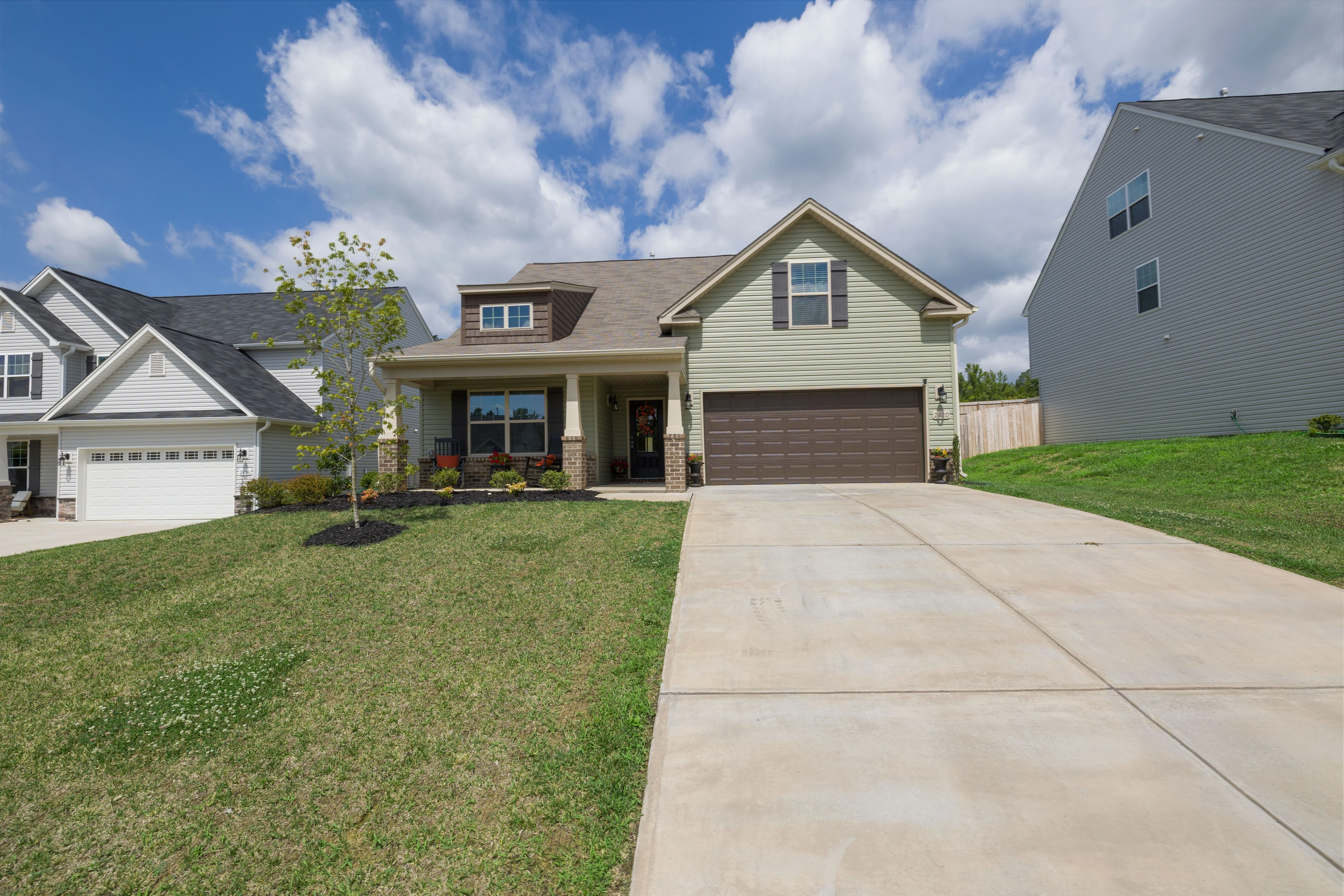
1960s–70s garage door systems
Homes concentrated around the 1960s and 70s can combine older torsion systems, original tracks, replacement openers, steel panels, and several generations of service work.
Spring dimensions and configuration should be matched to the actual door weight and installed hardware rather than assumed from the home's age.
Some older homes can retain original or early steel sectional doors with hardware that differs from current replacement systems.
A garage may have a newer opener while retaining older springs, tracks, cables, rollers, or panels.
Homes toward the newer end of the 1938–2009 range can use more recent insulated doors and center-mounted rail openers.
Cold-weather garage door wear
Schaumburg has a cold-moderate climate, so winter operation tends to expose existing spring fatigue, roller resistance, lubrication, cable, track, and opener-load problems rather than freeze-thaw cycles alone causing failure.
Cold-weather operation can expose weakness in a spring that is already approaching the end of its useful cycle life.
Worn nylon or metal rollers can become more noticeable when an older door is already moving with added resistance.
Older moving hardware can become rougher when lubrication and track condition have been neglected.
An opener can work harder when spring, roller, track, or balance problems are already making the door difficult to move.
Repair or replace?
A broken spring, cable, roller, opener, or track problem doesn't automatically mean the complete garage door needs replacement. Replacement becomes more practical when several major components are worn together or critical older parts are no longer reasonably available.
A targeted repair can make sense when the panels, tracks, opener, springs, cables, and surrounding structure remain serviceable.
An older garage door can remain worth keeping when its structure is sound and the immediate failure is isolated.
Replacement can become more practical when critical older parts are no longer reasonably available or require repeated custom work.
When springs, rollers, tracks, opener hardware, and other major parts are all requiring significant work, broader replacement can offer better long-term value.
What to expect
We start with what the door is actually doing, use the symptoms to point toward the likely cause, test the door under power and by hand, and set a clear parts expectation when older components need sourcing.
Tell us whether the door won't open, opens crooked, makes a grinding sound, or the opener runs without moving it.
The symptoms can point toward springs, cables, rollers, tracks, opener components, or another operating problem.
We test the door under power and by hand because a spring-like symptom can sometimes come from the track or opener instead.
Common repairs may be straightforward, while discontinued components on older doors can require additional sourcing or make replacement more practical.
Older Parts Can Take Longer
Some discontinued components on older garage doors may require additional sourcing time rather than an immediate repair.
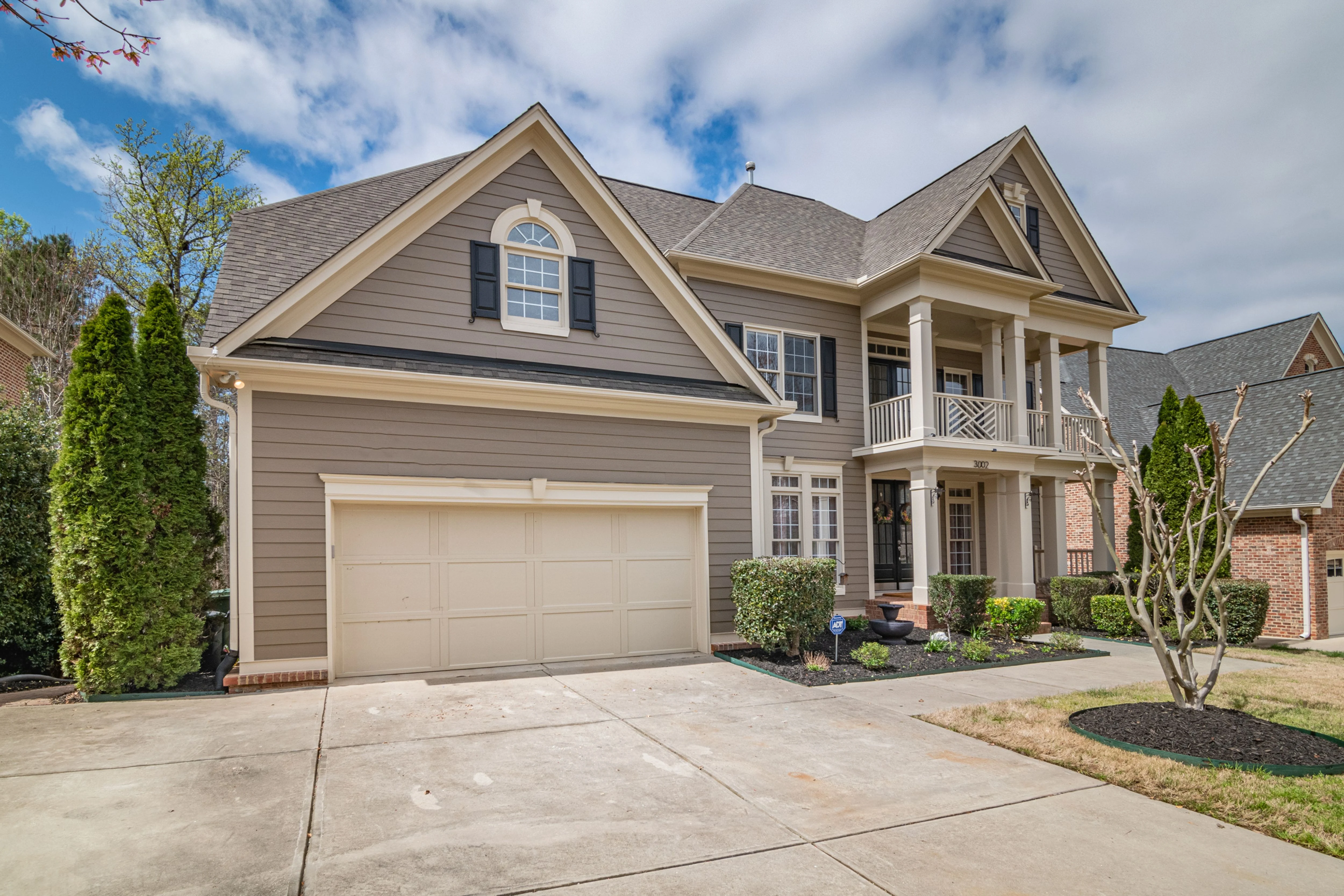
Service areas
Questions
Most spring calls in the service area get same-day or next-day scheduling, since it's one of the most common jobs we see, especially through the colder months when the cold-moderate climate swing is hardest on torsion springs.
Yes, and it's most of what we see given how much of the local housing stock dates to that stretch. The catch is that some original hardware is discontinued, so we may need extra time to source a matching part, or recommend replacement if the door's condition doesn't justify chasing it.
No. We price the job on your door and the parts it needs, not on which of the 30 towns in our service area you're in. A torsion spring job costs about the same whether it's a mile from us or twelve.
An opener that old is likely on borrowed time regardless of the brand — circuit boards and gear sets wear out around the same age. We'll test it on site and tell you honestly whether a repair makes sense or whether a new opener is the better spend.
Ready when you are
Tell us what the door is doing and we'll help you figure out whether you're dealing with a spring, opener, off-track door, emergency problem, installation need, commercial door issue, or another aging component in the system.