Bloomingdale, Schaumburg

Commercial Garage Door Service for Bloomingdale, IL

Commercial garage door repair and service for Bloomingdale businesses, run from Schaumburg five miles out. Steel roll-up doors, chain hoists, and cold-weather wear on 1980s-era buildings.

Commercial Garage Door Service for Bloomingdale, IL in Schaumburg
Same-day service in most cases
Serving Schaumburg, ILBackground-checked techsHonest, upfront pricingFast local response

Job timing

Time on the Job

We run out of Schaumburg, and Bloomingdale sits five miles down the road - close enough that a commercial call here doesn't eat the morning in traffic before the truck even opens a toolbox.

Business downtime cost

That matters more for a business door than a house door. A warehouse dock or a service bay blocked by a dead opener isn't a weekend inconvenience, it's a crew standing around and a delivery truck idling in the lot. Five miles means we can usually work a Bloomingdale call into the same day's route without stacking it behind three other jobs across town.

Early 1980s door generation

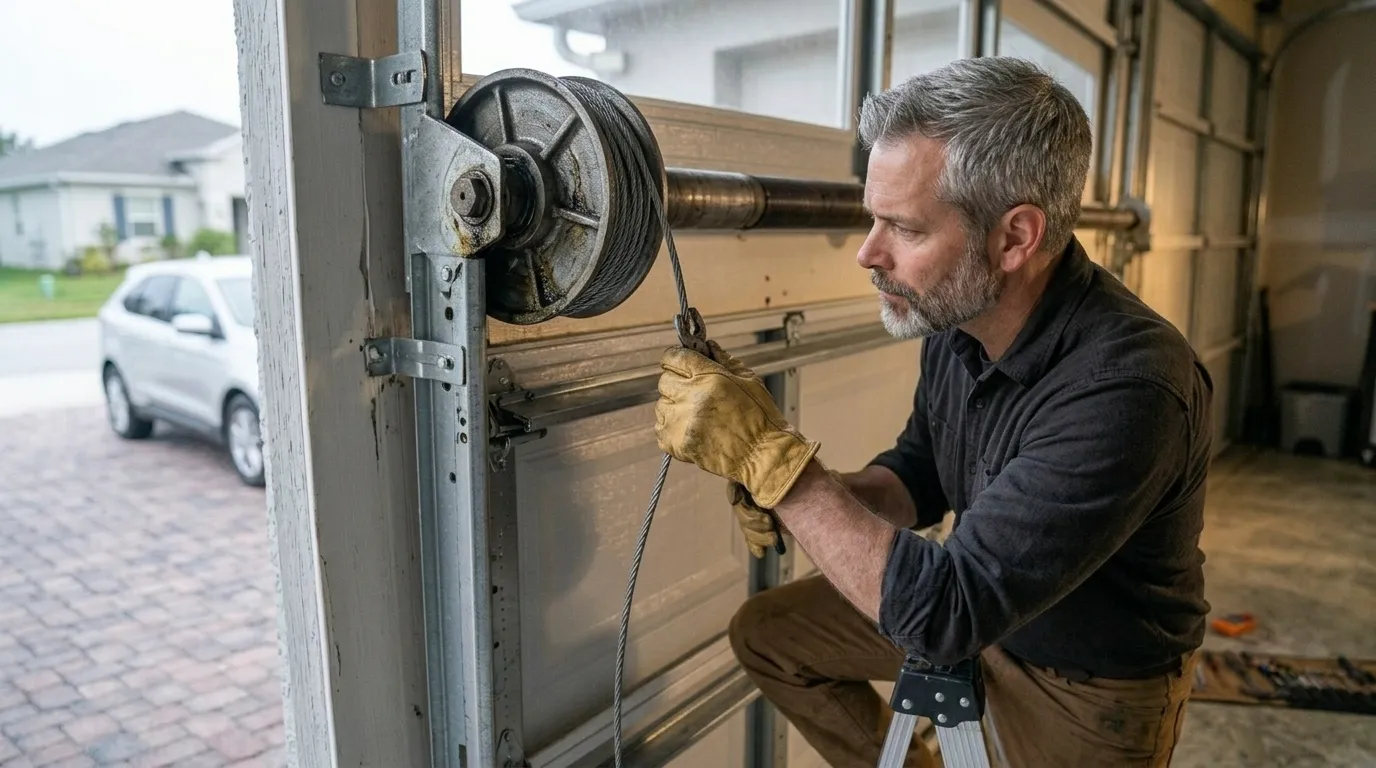
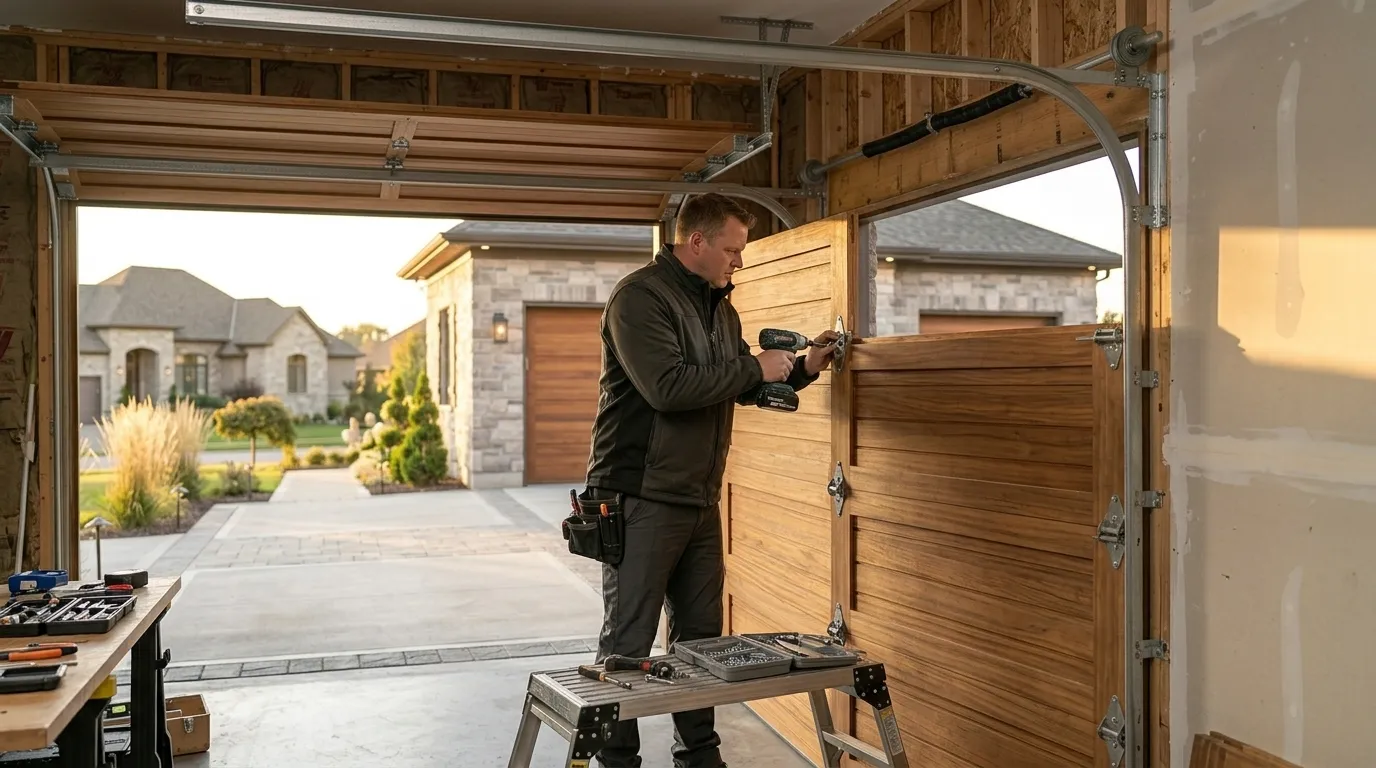
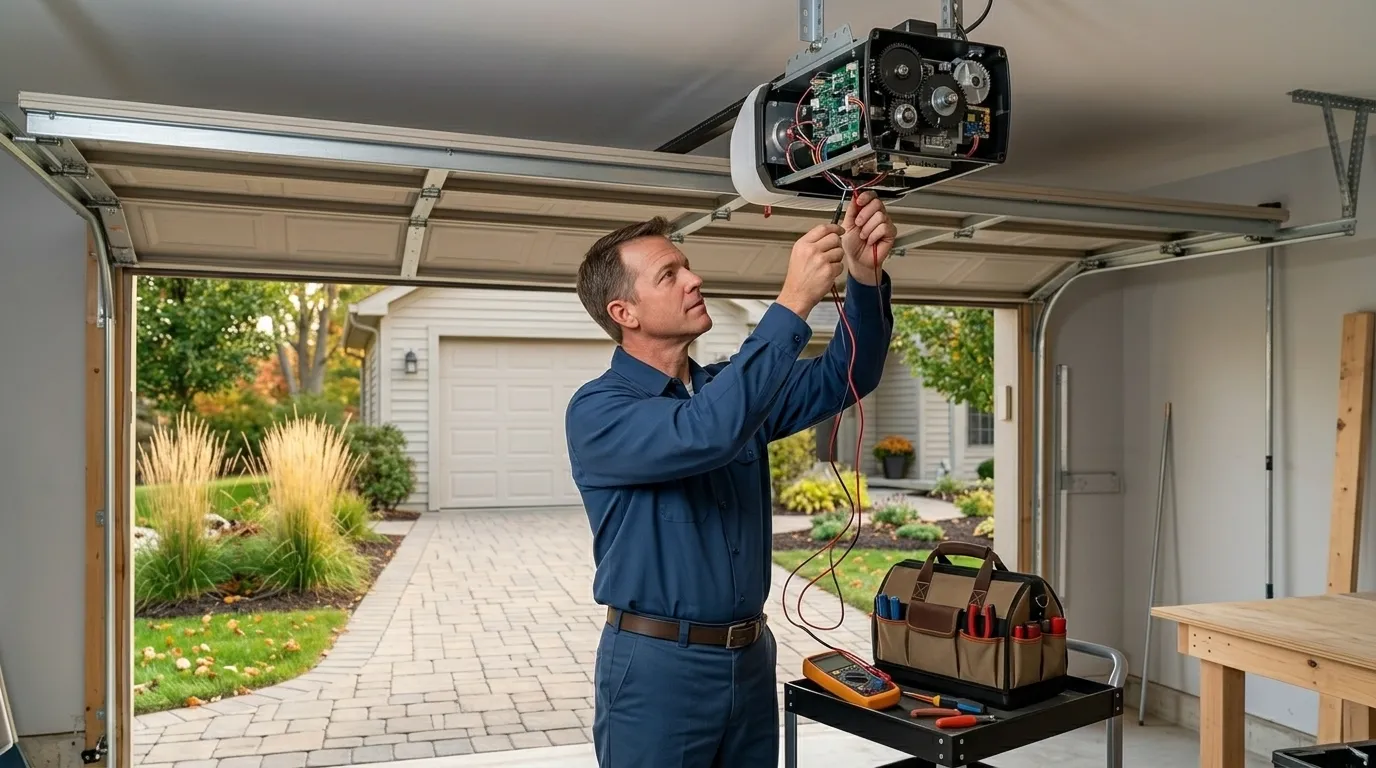
What changes the actual work once we're there isn't the drive, it's the building. A lot of the commercial and light-industrial construction in this corridor went up in the early 1980s, which is a different door generation than the older Schaumburg stock we also service - heavier steel sectional panels, chain-hoist operators instead of the belt or screw drives you'd find on newer builds.

Dispatch sourcing differences

We bring the parts for that era because we know it's common out here, not because every commercial door in Bloomingdale is identical. We don't keep a branch or staging point in Bloomingdale itself - every job is dispatched from Schaumburg. That's worth saying plainly rather than implying otherwise.

Pricing

What It Costs

We're not going to hand you a number here that we can't back up. Commercial door pricing depends on the door size, the operator type, and whether it's a spring, cable, or track problem - and we haven't got a flat rate that fits a 1980s-built warehouse door the same way it fits a strip-mall storefront.

Heavier commercial hardware

What we can tell you is that the buildings in this part of the corridor tend to run older commercial hardware, chain hoists and heavier torsion springs sized for steel panels, and that hardware costs more to source and more to install than the lighter residential-grade stuff.

Lower market income level

Bloomingdale's median household income sits at $98,891, a bit under the wider service area's $112,168 - not a number that sets your repair bill, but one that tells us the business mix here leans toward smaller operations and owner-run shops rather than large corporate campuses.

Smaller operation jobs

That shapes how we quote: most calls out here are a single door on a single bay, not a twelve-door loading dock, so the job size itself tends to be smaller even when the parts are the older, heavier kind. We give a real number after we've looked at the door, not before. Anyone quoting a commercial repair over the phone without seeing the spring size or the operator model is guessing.

Watch-outs

What Can Go Wrong

Commercial doors put up in the early 1980s - which is roughly when a lot of Bloomingdale's business buildings went up - were built around torsion springs and chain-hoist operators sized for steel panel doors, not the lighter aluminum or insulated doors common on newer construction.

Torsion spring fatigue cycles

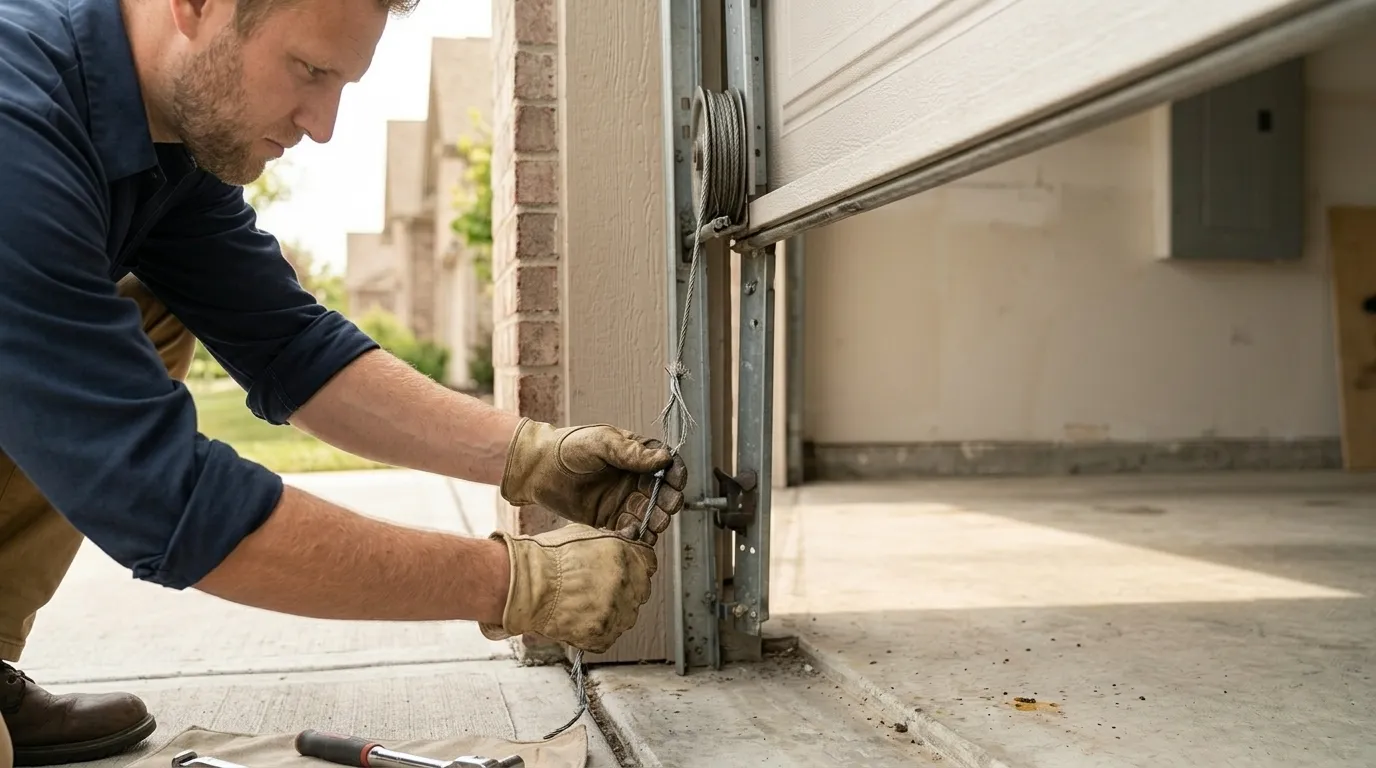
Forty-plus years in, the failure points are predictable: torsion springs that have cycled past their rated life, chain hoist sprockets worn enough to skip under load, and track brackets loosened by decades of thermal expansion. The area sits in a cold, moderate climate band, and that matters more for commercial doors than people expect.

Thermal expansion brackets

A steel door that's cycled open and shut all winter on a bay with poor weatherstripping takes on ice buildup at the bottom track, and that ice fights the rollers every time the door tries to close. It doesn't usually snap anything outright - it just adds resistance the opener has to fight, which shortens the life of everything downstream: the motor, the chain, the springs.

Ice buildup resistance

We won't tell you every commercial door out here is failing for the same reason. Some buildings have had hardware swapped out over the years and run modern operators. But if your building's original to that early-80s wave and nobody's touched the door since, the torsion spring and the chain hoist are the two parts we check first.

Symptoms

The Symptom

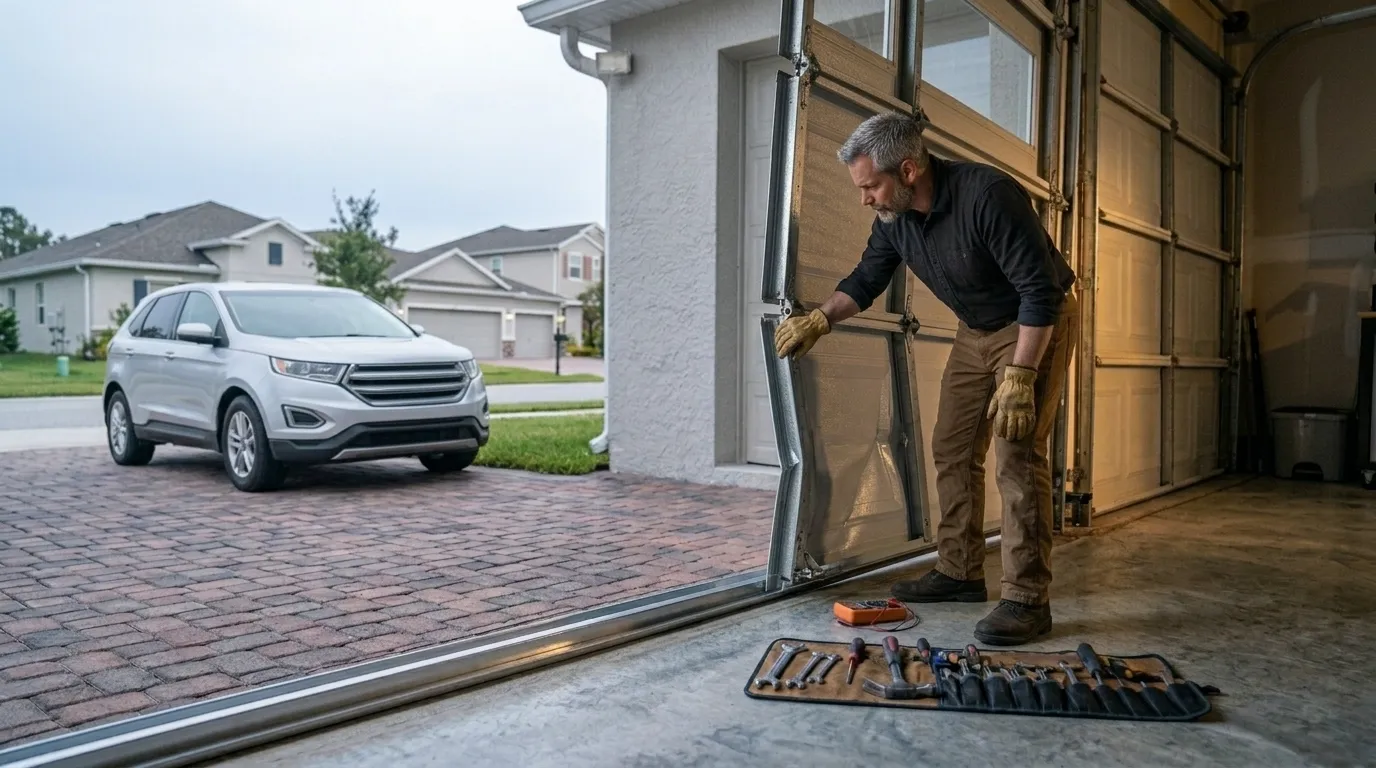
The most common call we get from this stretch of the corridor is a door that's slow to close, or that closes partway and reverses. On a commercial steel door with a chain hoist, that's almost always the opener straining against something mechanical - a spring that's lost tension, a track that's binding, or ice at the bottom seal doing exactly what we described above. The opener isn't broken; it's fighting a fight it can't win, and eventually it trips its safety reverse rather than force the door through.

A second pattern: a door that opens fine in the morning and gets noticeably harder to move by afternoon, especially in the colder months. That's usually spring fatigue on an older torsion system - the spring's lost enough tension that the door's weight isn't balanced anymore, so the motor's doing work it was never sized to do all day long.

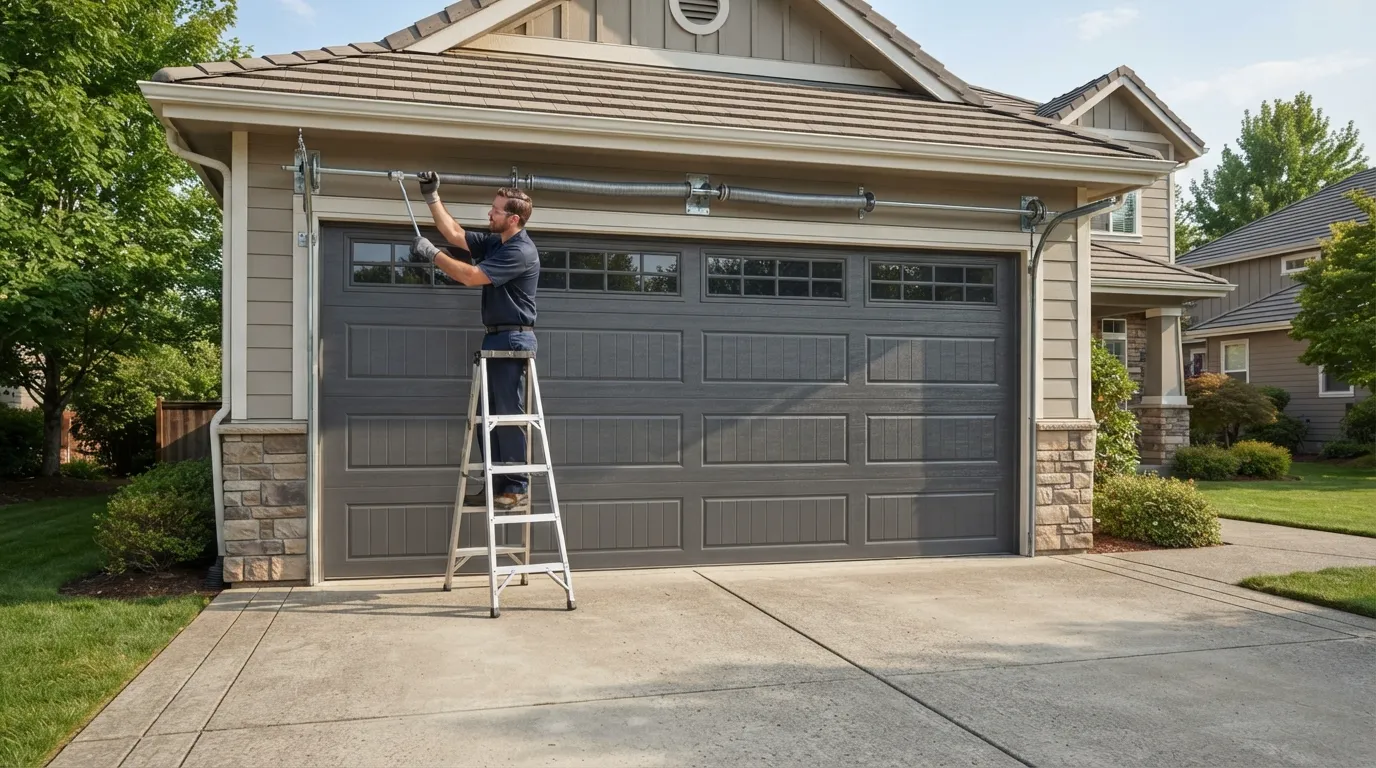
Here's the honest limit: if a commercial torsion spring's original to an early-80s build and it's never been serviced, replacing it is usually cheaper and safer than trying to repair around it. We won't talk you into patching a spring that's due for retirement just to avoid a bigger ticket - a spring failure under load on a heavy steel door is a real injury risk, not just an inconvenience.

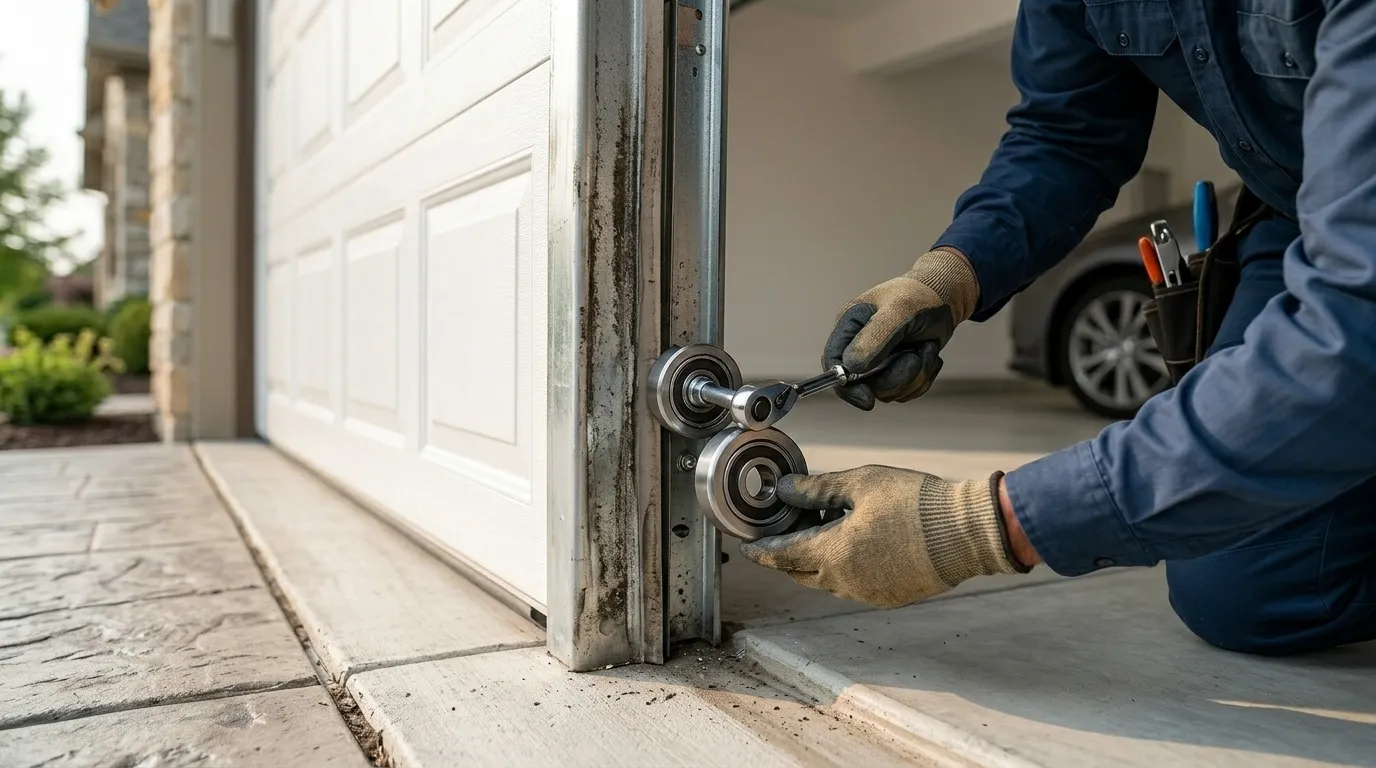
The Symptom

Questions

Common questions

Do you have a branch or office in Bloomingdale?

No. We dispatch every job from Schaumburg, about five miles away. There's no separate Bloomingdale location - it's the same crew and trucks that cover the rest of the service area, routed out to you.

Why does my building's door use a chain hoist instead of a belt drive?

Chain-hoist operators were standard on the heavier steel sectional doors common in commercial and light-industrial buildings from the early 1980s construction wave in this area. Newer buildings often use belt or screw drives, but if your building dates from that era, a chain hoist paired with a torsion spring is the typical setup.

Can you give me a price over the phone?

Not a real one. Commercial door repair costs depend on the spring size, operator type, and what's actually failed, and we haven't got a flat rate that fits the range of doors we see out here. We quote after looking at the door in person.

Ready when you are

Need a garage door sorted in Schaumburg?

Schaumburg Garage Door Pros repairs and installs garage doors, springs and openers in Schaumburg, IL and the surrounding area.

Call NowGet a quote