
Berkeley, Schaumburg IL
Garage Door Work for Berkeley's 1950s Housing Stock
Schaumburg Garage Door Pros covers Berkeley, IL, where most houses date to the mid-1950s, needing repair for aging springs, tracks, cables, and openers.
Local detail
The Houses Here
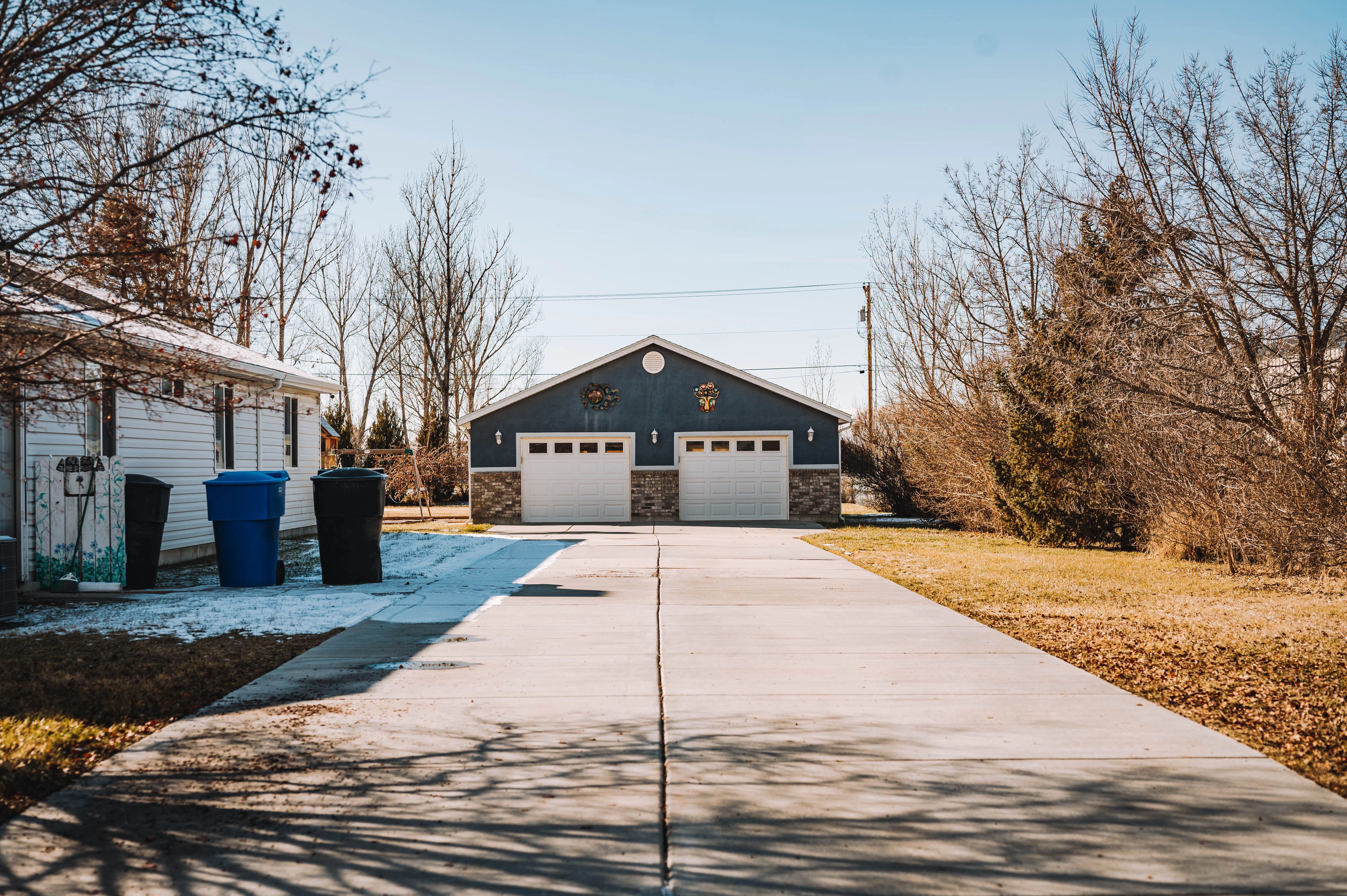
Berkeley's housing stock centers on 1955, the median build year for this pocket of the service area. That's more than two decades earlier than the 1977 median across the broader area we cover, and it puts Berkeley ahead of the 1960s-70s wave that shaped most of the other 92 named areas we work in. A house built in the mid-1950s usually came with a single-car or narrow double opening, a wood jamb rather than steel, and hardware sized for lighter, thinner doors than what gets installed today.
That earlier build date matters more than it sounds. Extension springs, not torsion springs, were the standard hookup on garages from that era, mounted along the horizontal tracks rather than overhead on a shaft. Many of those original setups have been replaced once or twice already, but the openings themselves - the jamb width, the header clearance - often haven't changed, which limits what doors and openers fit without carpentry work first.
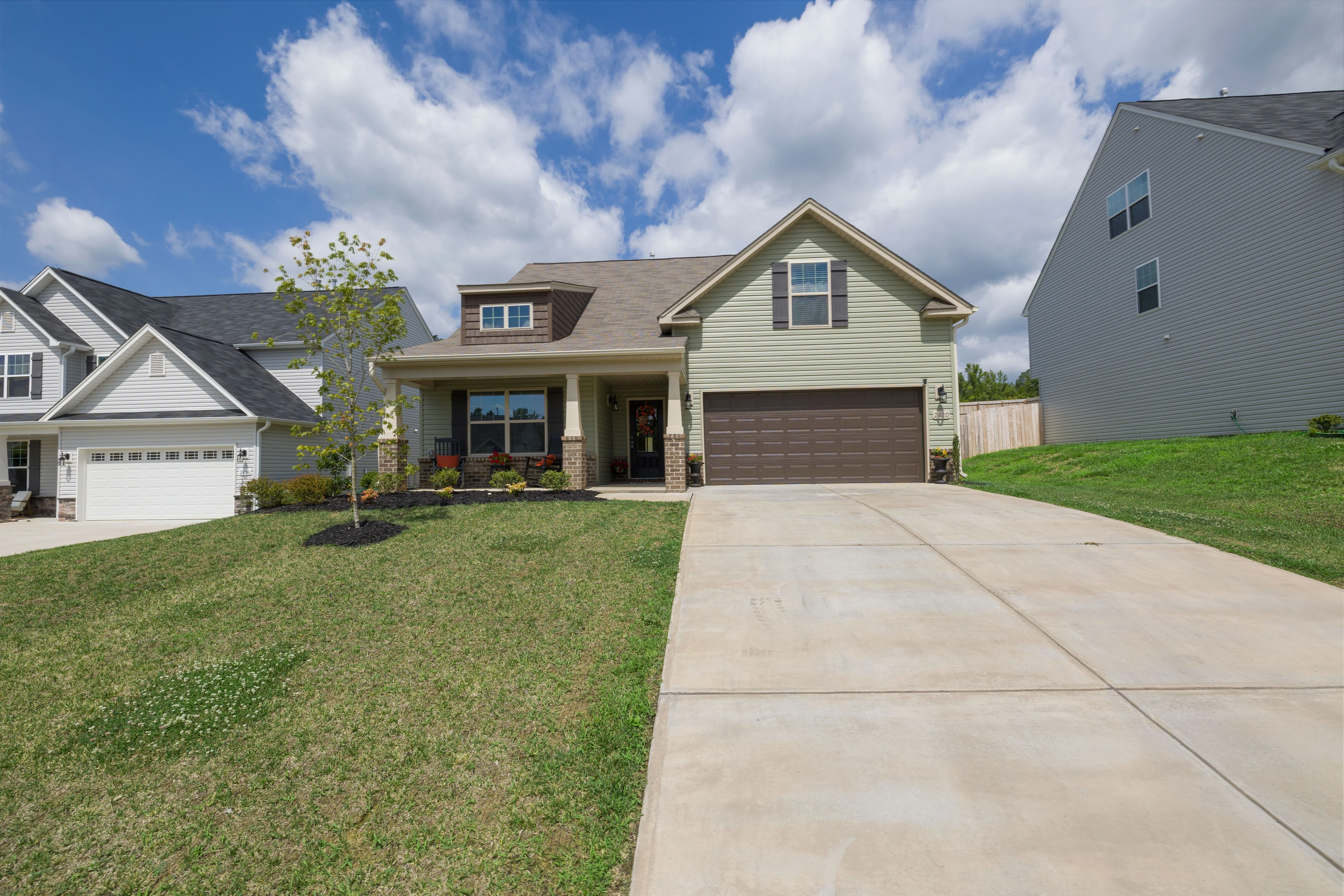
Berkeley is a small slice of what we cover. The area counts roughly 1,997 households, a fraction of the 525,414 households across the full territory, and median household income here runs at $83,224, below the $112,168 median for the broader area. None of that changes how we work on a door, but it does shape what we see when we get a call from this side of the map - older stock, tighter budgets, and less appetite for gold-plated fixes.
The area
What We Will Not Take On
We run out of Schaumburg, roughly 13 miles from Berkeley, so we don't tell people here we can be at the door in twenty minutes. If a spring lets go on a Saturday night, we'll get there, but we're not going to promise a response time we can't back up over that distance, and we won't pretend otherwise just to book the job.
We also won't sink real money into a door that's past the point of being worth it. Some of the 1955-era wood-panel doors still standing in Berkeley have delaminated at the bottom rail or rotted through the stile - once the wood itself is failing, no amount of hardware work fixes the door under it, and we'll say so instead of billing for a spring job on a door that needs replacing anyway.
Lastly, if an opener from that era is a discontinued proprietary model with no parts supply left, we're not going to chase a part that doesn't exist. Sometimes the honest answer is a new opener, not a rebuilt one.
What we find
The Usual Work Here
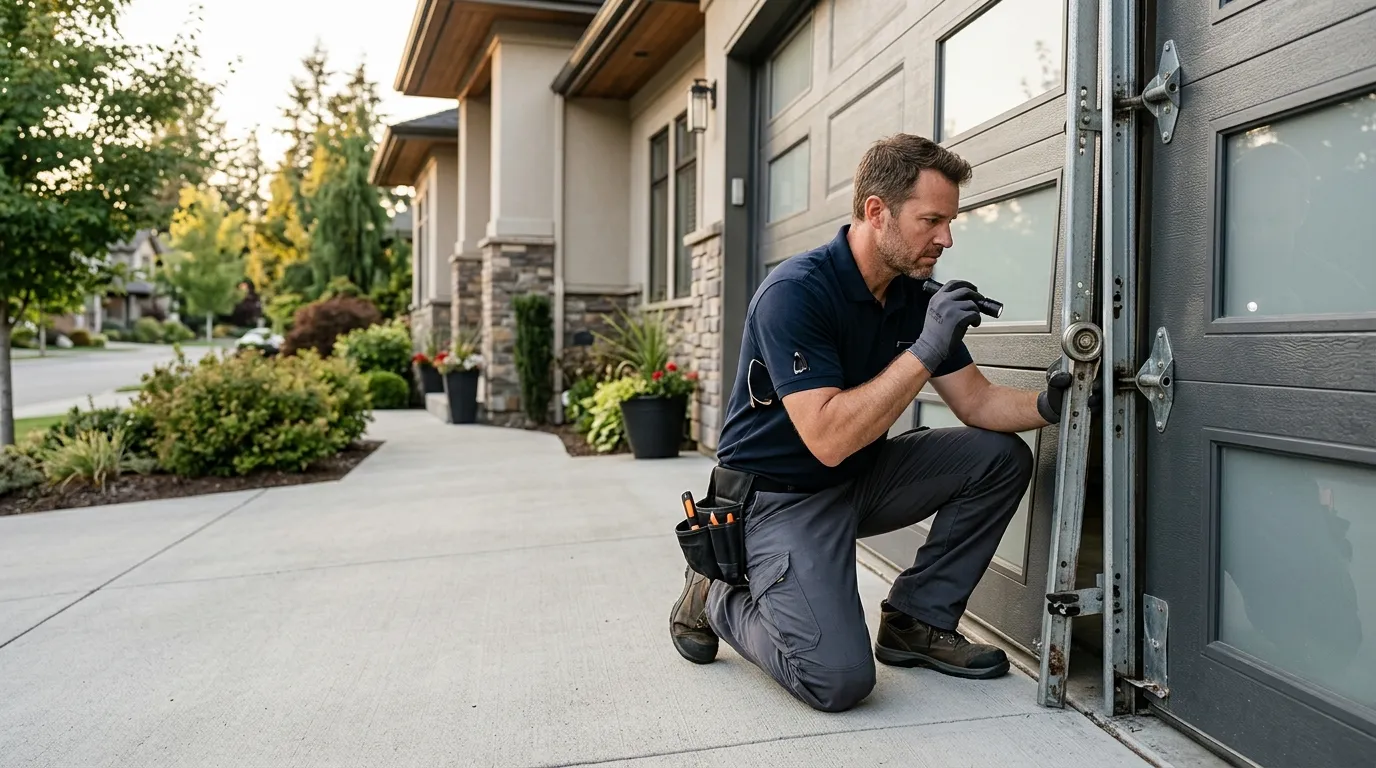
Given the 1955 median build year, the calls we get from Berkeley skew toward wear that's had a long time to accumulate. Extension springs stretched past their rated cycle count are common - they don't always snap dramatically, they just start losing lift, and the door gets heavier to open by hand or the opener starts straining.
Track realignment shows up often too, usually where an older single-car track has shifted slightly out of plumb over sixty-plus years of the house settling. On a narrower 1950s opening, even a small misalignment binds the rollers more than it would on a wider modern door.
We also see section and panel replacement tied to rot or rust at the bottom few feet of the door, especially on doors that were never swapped out when the house was resided or the garage slab was redone. And opener swaps come up when a chain-drive unit from decades back finally gives out - climate here runs cold and moderate, and a garage that isn't insulated puts real stress on an aging motor through the winter months.
How we work
How That Shows Up in the Door
On a house built to Berkeley's 1955 median, the door itself is often narrower than what you'd find on newer construction elsewhere in the service area - a single-car opening in the 8 to 9 foot range rather than the wider two-car doors common on 1960s-70s builds. That narrower frame changes what replacement doors and openers will actually fit without modifying the jamb.
Extension springs mounted along the horizontal track are still the norm on unmodified openings from this era, and they wear differently than torsion springs - failure tends to be gradual sag rather than a sudden break, so the warning signs are quieter. Wood jambs from this period also flex more than steel framing, which is part of why track alignment drifts here more than it would on newer builds.
When we replace a door on a house like this, matching the new unit to the old opening width and header clearance takes more care than a straightforward swap on newer construction, because the rough opening wasn't built to today's standard sizes.
Service areas
Other areas we cover near Berkeley
Questions
Common questions
How fast can you get to Berkeley?
We work out of Schaumburg, about 13 miles away, so we don't promise the same arrival window we might closer to the shop. We'll give you an honest estimate when you call rather than a number we can't hit.
Why does my garage door still have old-style springs?
Houses in Berkeley have a median build year around 1955, and extension springs mounted along the horizontal tracks were standard then. Many homes still run that original-style setup, even if the springs themselves have been replaced once or twice since.
Is it worth repairing an old wood garage door instead of replacing it?
Sometimes, but not always. If the wood has delaminated or rotted through a stile or rail, hardware repairs won't fix the underlying structure, and we'll tell you when replacement is the better use of your money instead of billing for a repair that won't hold.
Will a new opener fit my older garage without changes?
It depends on the opening width and header clearance, which on a 1955-era single-car door often run narrower than modern standard sizes. We check the rough opening before recommending a specific unit rather than assuming a standard fit.
Ready when you are
Need a garage door sorted in Schaumburg?
Schaumburg Garage Door Pros repairs and installs garage doors, springs and openers in Schaumburg, IL and the surrounding area.