
Cary, Schaumburg IL
Garage Door Work in Cary, Built Around the Homes That Are Actually Here
Cary's housing runs newer than most of the region, with a 1985 median build year. We drive out from Schaumburg to work on the springs, openers, and rollers that come with that stock.

Local detail
The Houses Here
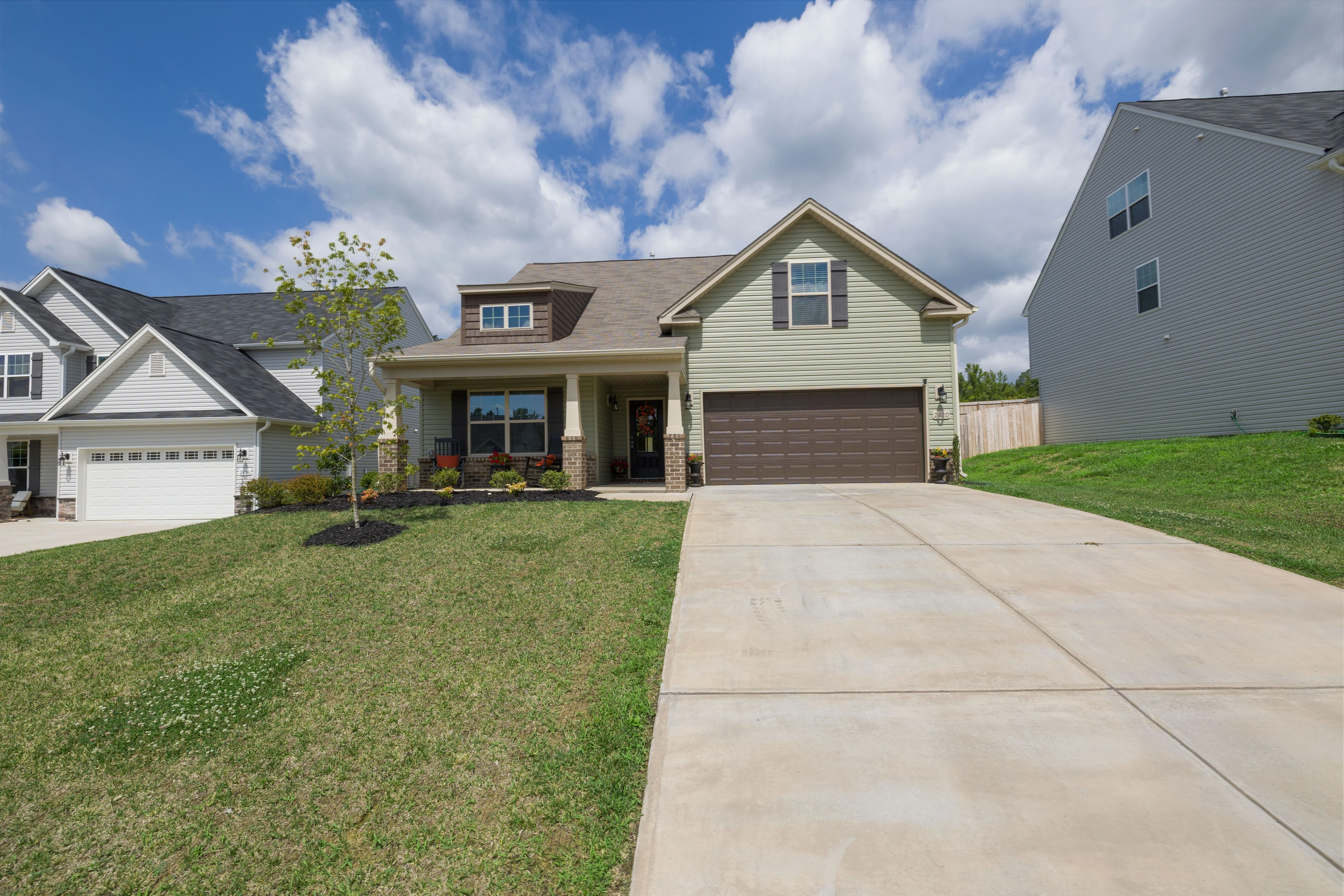
Cary's housing centers on 1985, a full decade newer than the 1977 median we see across the wider area we work in. That gap matters more than it sounds like it should. A house built in 1985 came with a sectional steel door on torsion hardware as standard, not the one-piece tilt-up doors or side-mounted springs you find in the older pockets of the service area we cover from Schaumburg.
With 6,342 households in Cary, it's a smaller stop on our route than some of the towns nearby, but the hardware pattern is consistent: mid-80s torsion springs, steel rollers on steel track, and openers that have usually been swapped out once already by now. The area sits in the same cold climate band as the rest of the region, which means steel contracts in winter, lubricant thickens, and springs that were already near the end of a normal cycle count start showing it in January and February more than any other month. None of that is unique to Cary, but the timing of it is - a house built in 1985 is now at the age where torsion springs, not openers, are usually the first thing to go.

The area
What We Will Not Take On
We don't take a job where the opener and the door are mismatched by decades - say, a newer opener bolted onto original 1985 track that's bent or rusted past a clean repair. Forcing a new opener to run bad track just moves the failure a few months down the road, and we'll say so instead of doing the install anyway. We also don't drive out for jobs that turn out to be a frame or header problem rather than a door problem - that's carpentry, not garage door work, and we'd rather tell you that on the phone than after we've opened the door up.
Because we're coming from Schaumburg, about 15 miles out, we're not set up for same-day emergency calls the way a shop based in Cary might be, so if a door is the only way in or out of an attached garage and it's stuck shut, that's worth knowing before you call us. We're straightforward about parts, too: if a torsion spring size isn't something we carry on the truck for an older or oddball installation, that's a second trip, not a same-visit fix.
What we find
The Usual Work Here
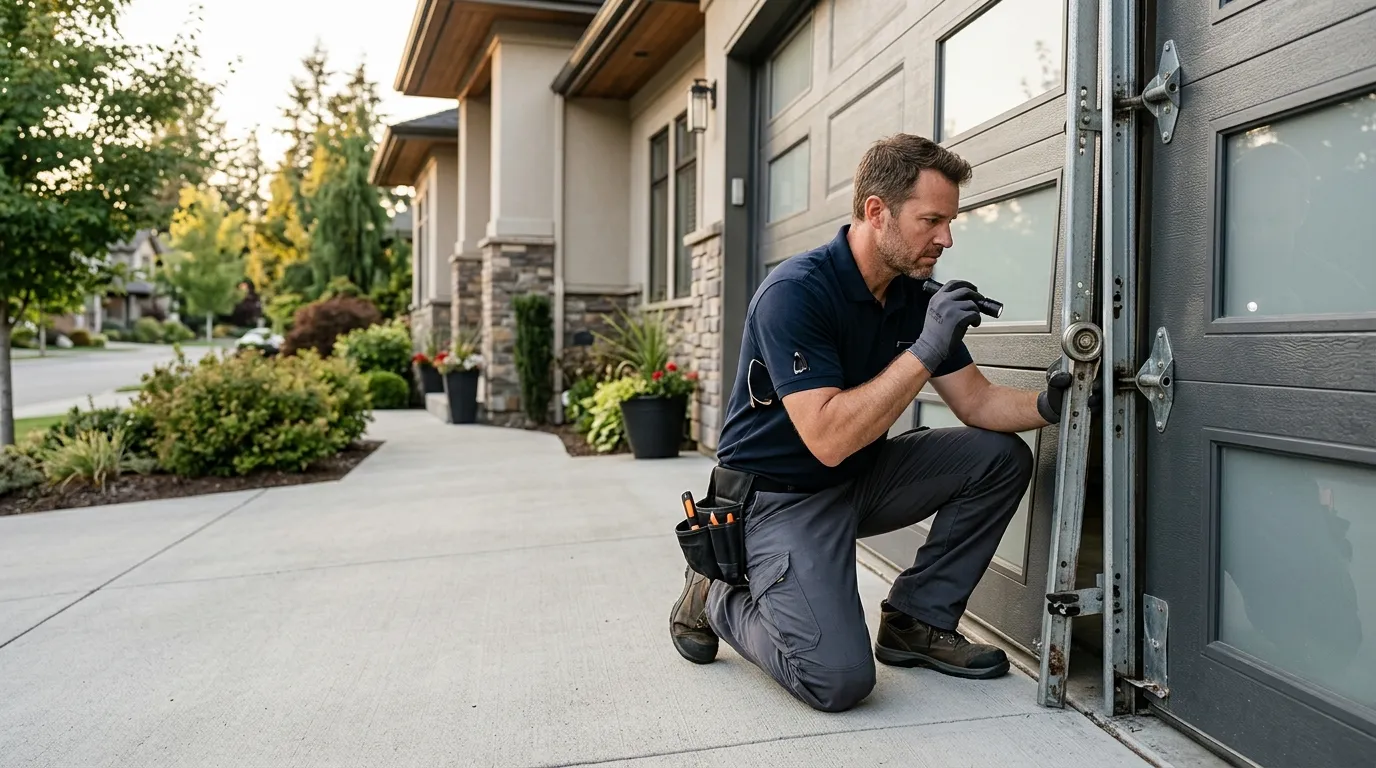
On a 1985-median street, the calls we get are pretty predictable. Torsion springs are the biggest one - most were sized for a normal cycle count and a house that age is right in the window where the original spring, or the first replacement, is wearing out. Rollers come next, especially on doors that have run for decades on their factory steel rollers with no upgrade to nylon.
Openers from that era or the following upgrade cycle tend to be chain-drive units with mechanical parts that wear - drive gears, sprockets, and the odd circuit board that's outlasted its practical life. We also see track that's gone slightly out of alignment over the years, which shows up as a door that binds or rattles on one side more than the other. It's less about catastrophic failure and more about parts reaching the end of a normal service life at roughly the same time, since so many houses on a given street went up within a few years of each other.
How we work
How That Shows Up in the Door
In practice, a call in Cary usually sounds like this: the door is heavier to lift by hand than it used to be, or the opener strains and reverses partway up. That's a torsion spring losing tension, not an opener problem, even though the opener is what people notice first. On a house near the 1985 median, that spring has likely had thirty-plus years of cycles, and cold weather in this climate band makes the metal less forgiving right when the spring is already near its limit.
Rollers that have never been replaced tend to show up as a grinding or popping noise on the way up, worse in winter. With median household income here at $109,790, close to the $112,168 median across the broader area, most of the owners we talk to choose to replace the spring and rollers properly rather than patch around a symptom - which is usually the better math over the life of the door anyway.
Service areas
Other areas we cover near Cary

Questions
Common questions
Why does a garage door built in the 1980s need a new spring already?
Torsion springs are rated for a set number of open-and-close cycles, not for a set number of years. A door installed around 1985 has usually gone through that cycle count once or twice by now, and cold winters make a tired spring fail sooner rather than later. It's normal wear, not a sign anything was installed wrong.
Do you have a shop or depot in Cary?
No. We're based in Schaumburg, about 15 miles away, and drive out to Cary for scheduled jobs. We don't advertise a local response time here because we're not staged in the area - if the timing of a job matters to you, ask when you call and we'll give you a straight answer.
Is it worth replacing an opener from the same era as the house?
Often yes, if the door itself and the track are in good shape. An opener from the 1980s or 90s original install is well past the point where parts and reliability start working against you. But if the track or door panel needs work too, we'll talk through what actually needs doing before recommending a full opener swap.
Ready when you are
Need a garage door sorted in Schaumburg?
Schaumburg Garage Door Pros repairs and installs garage doors, springs and openers in Schaumburg, IL and the surrounding area.