
Guide
Garage Door Weather Seals and Draughts in Schaumburg
Weather seals and draughts on Schaumburg garage doors, explained for houses built mostly in the 1960s and 70s, under a cold, moderate climate band here.
Local detail
How Local Conditions Play In
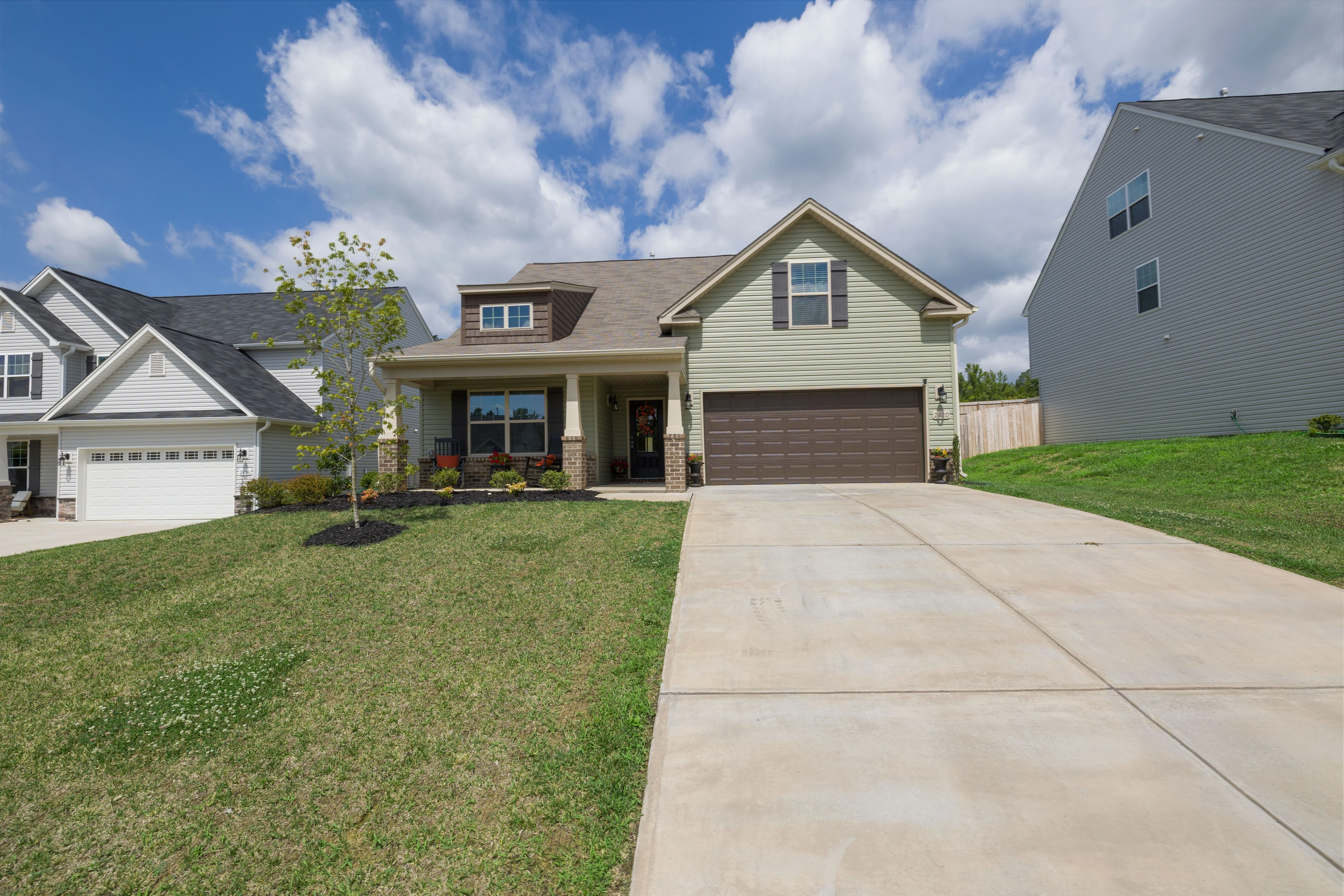
Schaumburg sits in a cold, moderate climate band, the kind of winter that swings from single digits to a January thaw and back inside a week. That freeze-thaw cycle is what actually kills a garage door seal - not one hard freeze, but the constant flex as the vinyl bottom seal and the weatherstripping around the jambs expand, contract, and eventually crack. Most houses in this part of the county went up between 1938 and 2009, with the heaviest concentration in the 1960s and 70s.
A door and frame built to that era's standard almost never has the deep-set seal channel modern kits are designed for, so a draught that starts as a thin whistle along one side of the door usually means the original channel has warped enough that no off-the-shelf seal seats flush anymore. Weather seals and draughts on a door that age aren't a cosmetic complaint - they're the difference between a slab that still swings true and a track that's about to bind because of moisture getting into the roller hardware. If your house falls into that main wave of construction, the seal is worth checking before it fails outright.

The area
What to Look At First
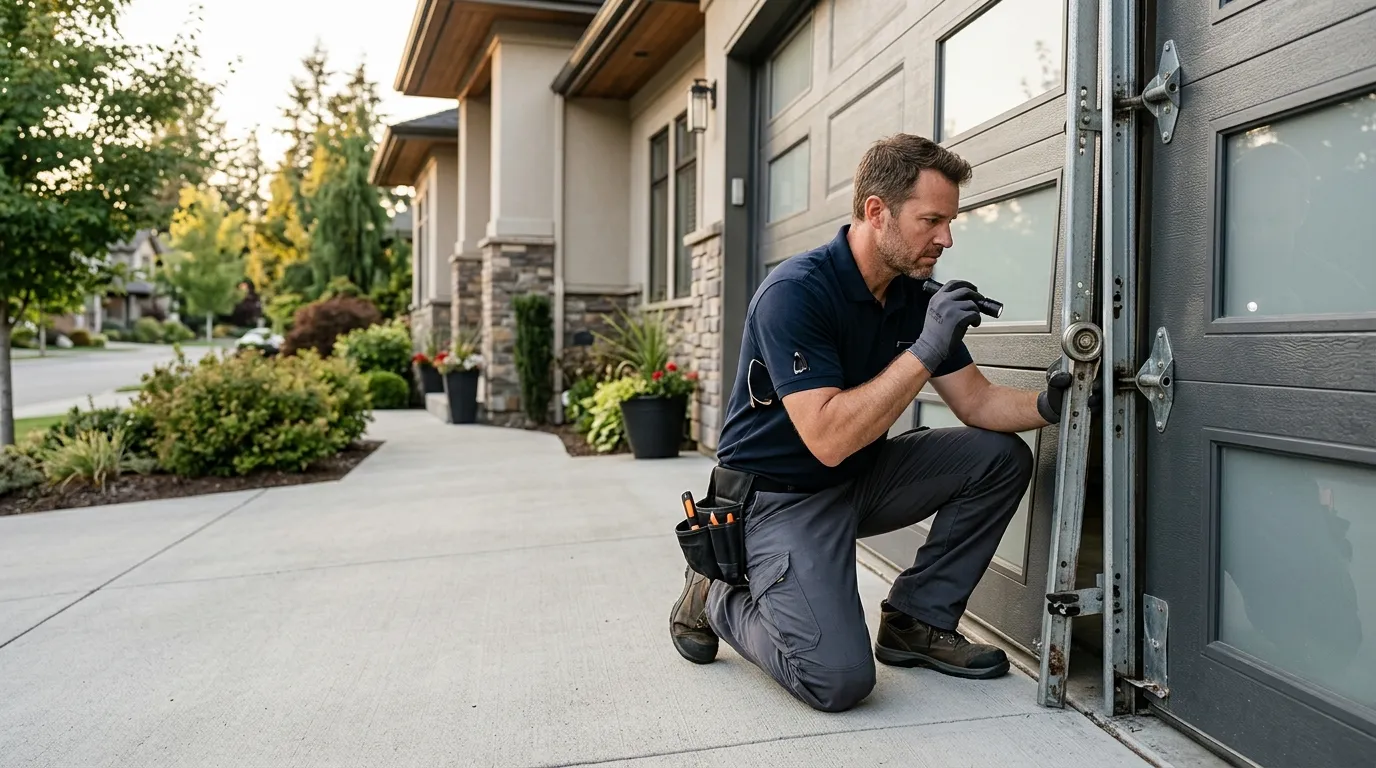
Start at the bottom seal, the rubber or vinyl strip along the floor of the door. On a house from the main 1960s-70s wave common around here, that channel was built for a thinner gasket than what's sold today, so even a new seal can sit slightly proud and let cold air track underneath. Run a hand along the bottom edge on a below-freezing morning - if you feel air moving rather than just cold metal, the seal isn't doing its job.
Next check the side and top weatherstripping where the door meets the jamb. Original steel doors from that build era used a stapled felt or thin rubber strip that's long past useful life by now; replacing it is usually simple, but only if the track alignment underneath hasn't shifted. Look at the corners of the door panels too - condensation lines or rust bloom there usually mean draughts have been getting in long enough to start corroding the steel, not just chilling the garage.
None of this needs a service call to diagnose. A flashlight, a cold morning, and five minutes at the bottom seal will tell you whether you're dealing with a worn strip or a structural gap that a new seal alone won't fix.
What we find
The Situation
We work out from Schaumburg toward Roselle three miles east, Hanover Park four miles out, and Streamwood and Itasca a few miles further, along with Bloomingdale, South Barrington, Inverness, Bartlett, Wood Dale, and the rest of the towns inside about a ten to eleven mile ring. That whole stretch shares the same building stock story - houses going up steadily from the late 1930s through the 2000s, with the thick middle of that run landing in the 1960s and 70s. It matters for draught calls because a house built in 1965 and one built in 1995 in the same subdivision can have completely different door hardware, seal profiles, and jamb tolerances, even if they look similar from the curb.
Across the wider service area there are roughly 525,414 households and 261,093 owner-occupied houses, which means a lot of variation in what's actually behind the door - steel slabs from the original build, aluminum replacements from a 90s remodel, insulated doors put in more recently. We don't guess which one you have before we see it, and we won't quote a seal fix over the phone without knowing the door's age and profile first. That's the one thing we won't shortcut.
How we work
What It Costs
We don't have a fixed price list to publish here, and honestly a real quote depends on what's actually failing - a worn bottom seal is a different job from side weatherstripping that's pulling away because the jamb itself has settled, which is common in the older end of the local stock. What we can say is that median household income across the service area sits at $112,168, which tells us most owners here are weighing a seal repair against a full door replacement rather than skipping it outright - and for a door from the main 1960s-70s build wave, a straightforward seal and weatherstrip swap is usually the cheaper and correct call before jumping to a new door.
Where it gets more expensive is when draughts have been ignored long enough that the track or bottom bracket has started to rust, because now you're paying for hardware, not just rubber. We'll tell you plainly on-site if a seal job is going to hold or if you're better off putting that money toward a new door instead - we'd rather lose the smaller job than sell you a seal that's back to leaking by next winter.
Questions
Common questions
Why does my garage door draught more in winter than in fall?
Cold contracts the vinyl bottom seal and the door's steel skin at different rates, opening tiny gaps that widen as temperatures swing through the freeze-thaw cycle typical of this area's cold, moderate climate. A seal that looked fine in October can leak visibly by January without anything actually breaking.
My house was built in the 1960s - does that change what seal I need?
Often yes. Doors and jambs from that build era usually have a shallower seal channel than current products expect, so a generic replacement seal can sit slightly proud and still let air through. We check the channel depth before recommending a fix.
Can I just add more weatherstripping myself?
Sometimes, if the track and jamb are still square. But if the draught is coming from a warped channel or a shifted track rather than worn rubber, more strip material won't seal it - it'll just compress unevenly. Worth checking which one you have before buying parts.
Ready when you are
Need a garage door sorted in Schaumburg?
Schaumburg Garage Door Pros repairs and installs garage doors, springs and openers in Schaumburg, IL and the surrounding area.