
Guide
Wind, Wide Doors, and Schaumburg's Older Housing Stock
How wind loads a wide double garage door on Schaumburg's 1960s-70s housing stock, what to check first, and why cold-moderate winters make it worse.
Local detail
How Local Conditions Play In
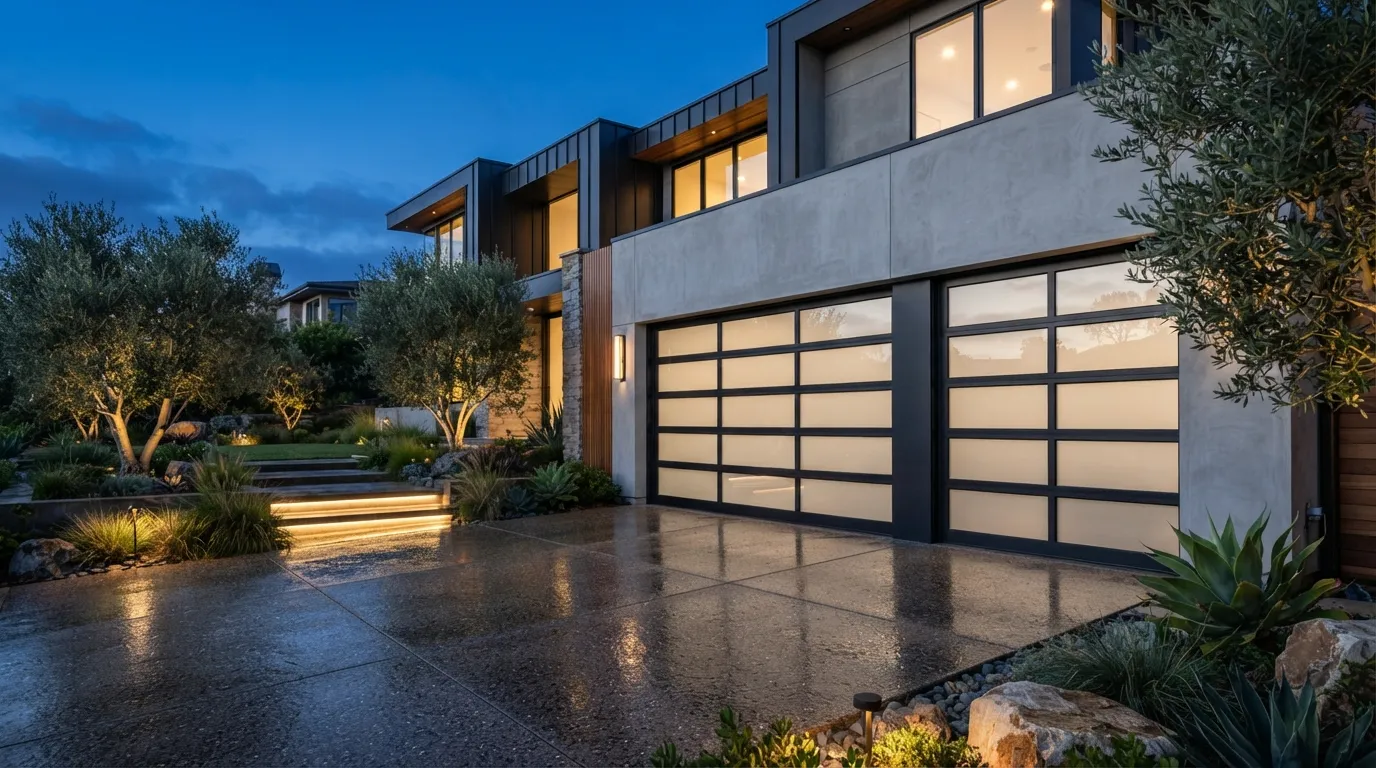
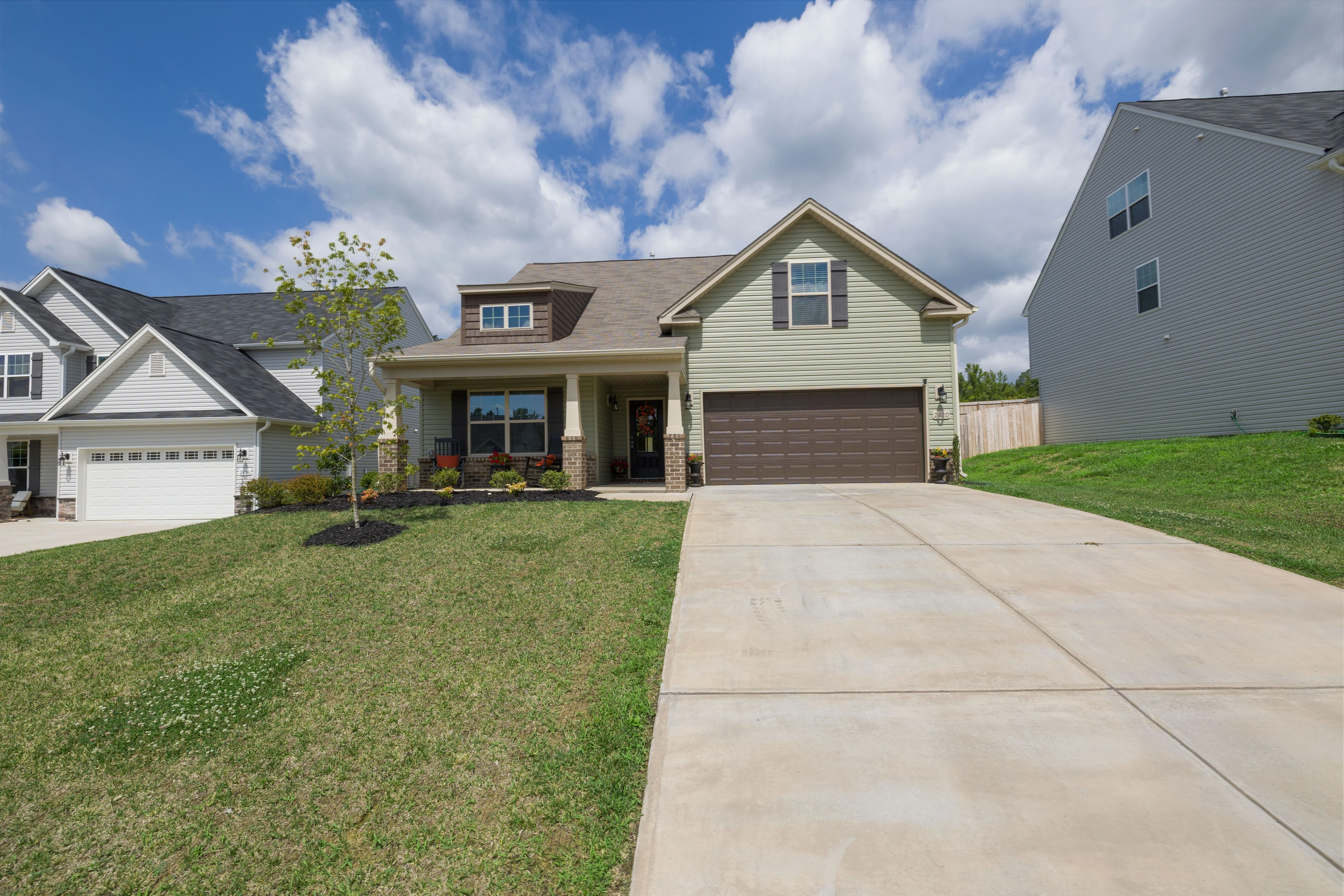
Houses here went up mostly in the 1960s and 70s, with the overall stock running from 1938 to 2009 and a median build year of 1977. That's a lot of split-levels and ranches built with a single wide double door across the front - the 16-foot standard that came with that generation of house. A door that width acts like a sail in a way a single 9-foot door never does. Wind doesn't push on it evenly; it flexes the panel face, and on an older door that means a lot of unsupported steel between the vertical stiles.
Schaumburg sits in a cold-moderate climate band, so the same gust that racks a panel in October is followed by weeks where the steel contracts and the seams tighten. A door that's already flexed from wind load and then shrinks in the cold works its screws loose at the hinge points faster than a newer, better-braced door would. None of this is dramatic - it's slow fatigue, not a single storm event - but it's the reason a 40 or 50-year-old double door on this kind of house needs a different look than a door on a house built in 2005.
The area
What to Look At First
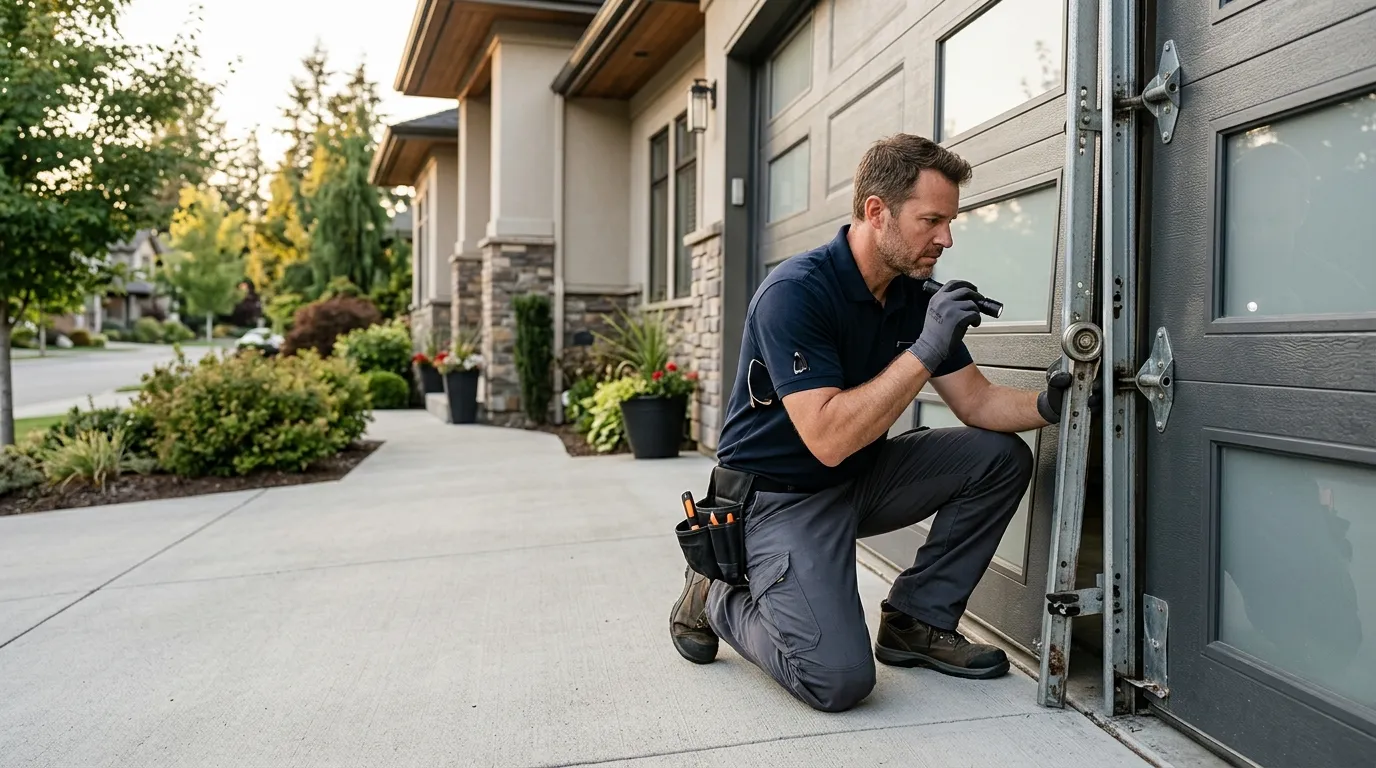
Start at the horizontal seams where panel sections meet. On a wide door those joints take the most flex, and on the 1960s-70s stock common around here they often have no added strut bracing behind them - that hardware wasn't standard when the house was built. Look for a slight bow across the face of the door when it's closed, especially on the two center panels. Run your hand along the bottom of each hinge bracket; if you feel play or the screws spin without biting, that's the wind-and-cold fatigue working on the wood or steel behind it.
Check the track brackets on both sides next. Repeated flex pulls the track away from the jamb a little at a time, and on a wide door that gap shows up first at the top bracket, not the bottom. If the door is original to a house from that median 1977 build year, the track hardware has had five decades of seasonal flex to work loose, gust by gust, freeze by freeze.
Last, look at the center of the top panel for hairline cracks in the paint or steel skin. That's usually the first visible sign that a wide door has been taking wind load with no center reinforcement behind it.
What we find
The Situation
Across the wider service area there are 261,093 owner-occupied houses out of 525,414 households, and a good share of them carry the same double-wide door that came standard on split-levels built in that stretch of 1938 to 2009. Most of those doors were never engineered for wind load the way current code requires - bracing standards for wide doors came later than the year most of this stock went up. That doesn't mean every one of them is a problem. Plenty have held up fine for decades. But it does mean a wide door on an older Schaumburg house deserves a real look rather than an assumption that it's fine because it's always been fine.
We don't carry data on local storm frequency or peak gust speeds, so we're not going to tell you a number for how much wind your door can take - that's not a fact we have, and we're not going to guess at one. What we can tell you is that age and width are the two variables that matter most, and on this stock, both are usually working against the door at the same time.
How we work
What It Costs
With median household income here at $112,168, replacing a wide door with one built to current bracing standards is a viable option for a lot of owners rather than a stretch, and it's often the better call once a door starts showing seam cracks or bracket play rather than patching hinge by hinge. That said, we don't have a set price to hand you without seeing the door - width, panel material, and how much of the hardware is salvageable all move the number, and quoting a figure without a look at the door would be a guess, not a fact.
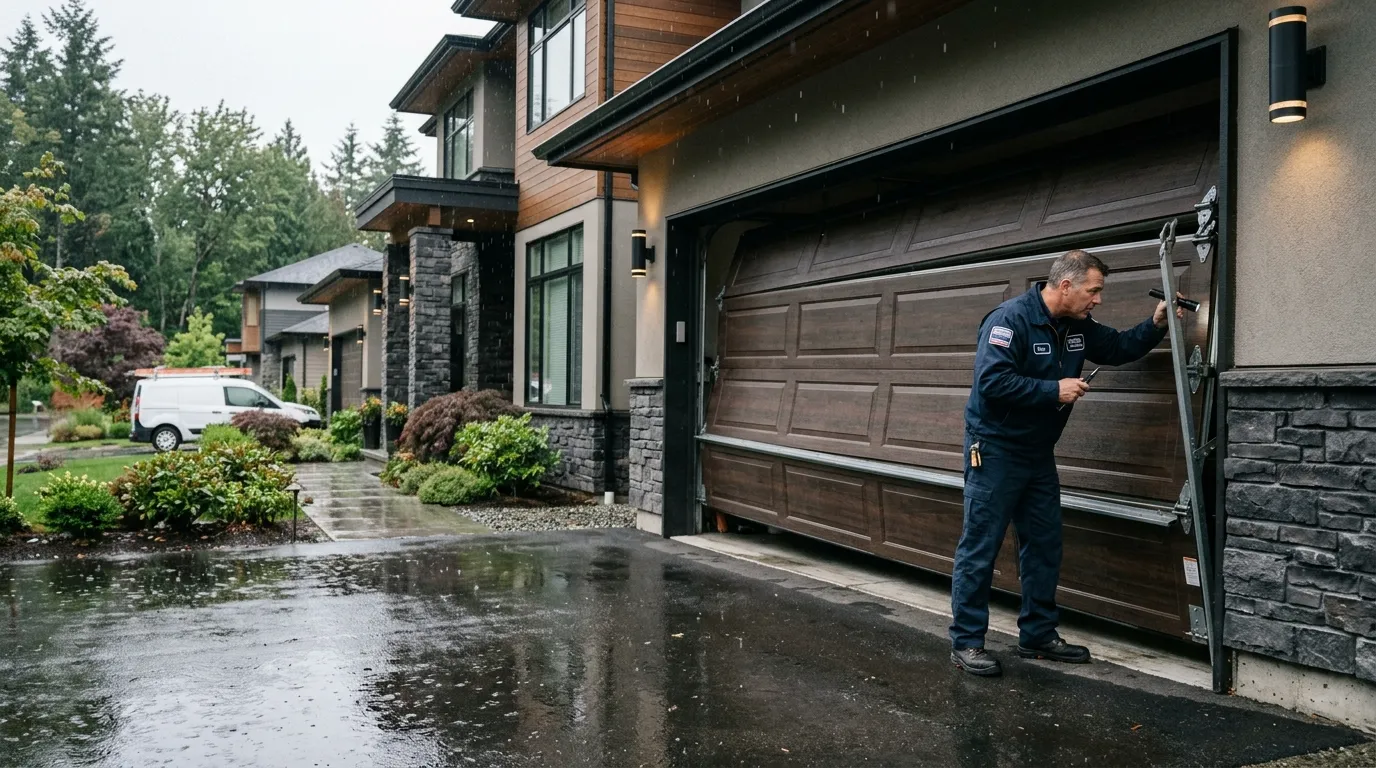
One honest limitation: if the wood framing around the opening has shifted or rotted from decades of flex, that's a carpentry problem before it's a door problem, and it adds to the job. We'll tell you straight if that's what we're looking at rather than bracing a new door onto a frame that can't hold it.
Questions
Common questions
Why does my garage door flex more when it's windy than it used to?
On a wide double door from the 1960s-70s building stock common in Schaumburg, there's often no center strut bracing behind the panels. Wind pushes on the face and the steel flexes because nothing behind it is stiffening the span. Cold weather then tightens the seams further, which is why the flex feels worse in winter gusts than in a summer breeze.
Is my door old enough that wind bracing wasn't required when it was built?
Housing in the area runs from 1938 to 2009, median 1977, and bracing requirements for wide doors came into code after a lot of that stock was already built. If your house is from that middle stretch, it's worth checking whether a strut was ever added behind the top panels.
Can you tell me the exact wind speed my door can handle?
No - we don't have local wind-speed data to state as fact, and we're not going to give you a number we can't back up. What we can do is look at the door's age, width, and hardware condition and tell you honestly whether it's holding up or working loose.
Ready when you are
Need a garage door sorted in Schaumburg?
Schaumburg Garage Door Pros repairs and installs garage doors, springs and openers in Schaumburg, IL and the surrounding area.