
Rosemont, Schaumburg IL
Garage Door Service for Rosemont's 1968-Era Homes
Rosemont homes mostly date to 1968, a decade ahead of the wider service area. We travel from Schaumburg for spring, opener, and panel work on that era's hardware.
Local detail
The Houses Here
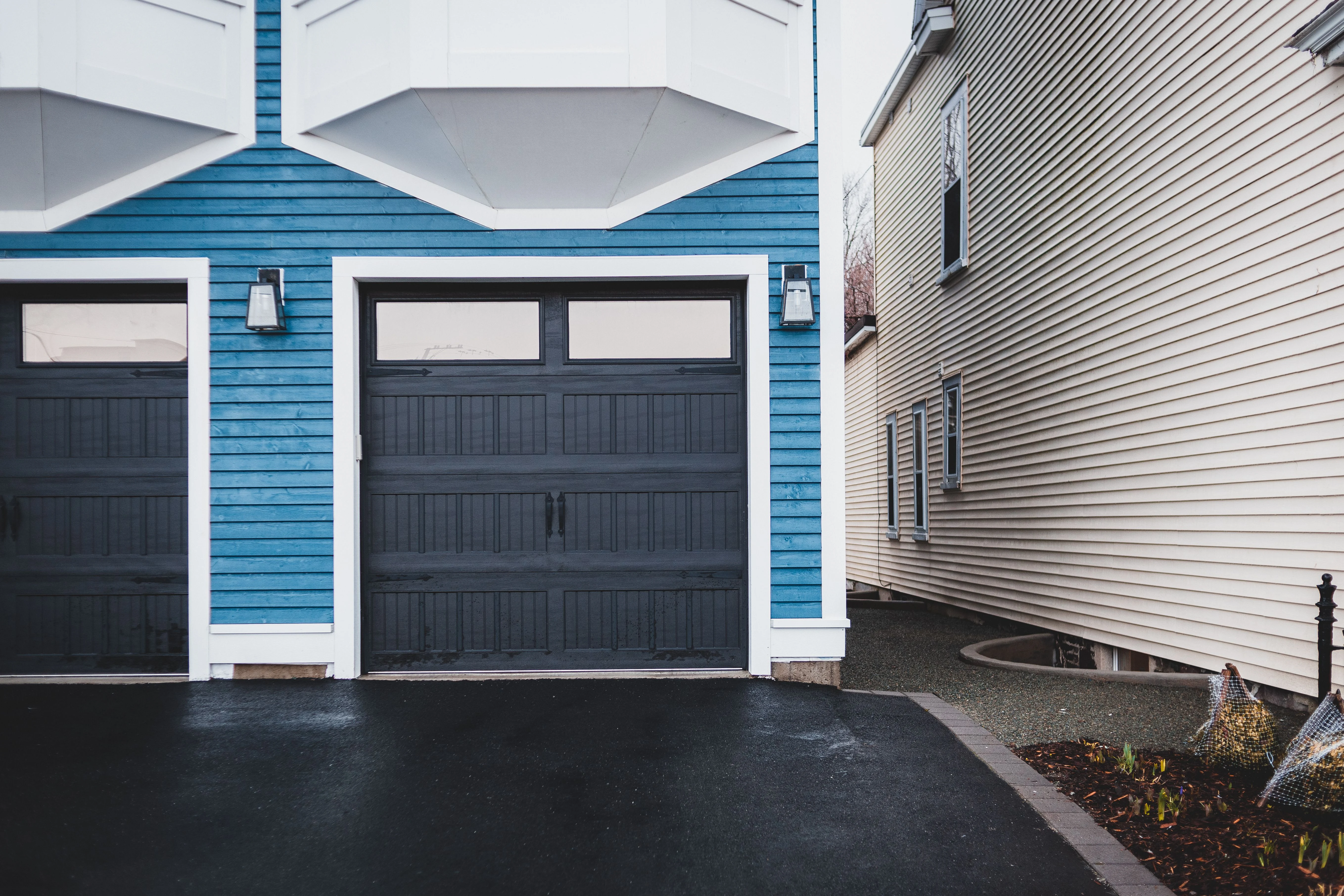
Rosemont's housing stock centers on 1968, roughly a decade earlier than the median build year across our wider coverage area, which lands closer to 1977. That gap matters more than it sounds like it should. A house built in 1968 usually got a single-panel or early sectional door on a torsion spring set that's been replaced at least once by now, sometimes with hardware that doesn't quite match the original opening. With only 1,757 households in Rosemont, it's a small, tightly built pocket, and we see a lot of repeat patterns from one block to the next rather than a wide mix of eras.
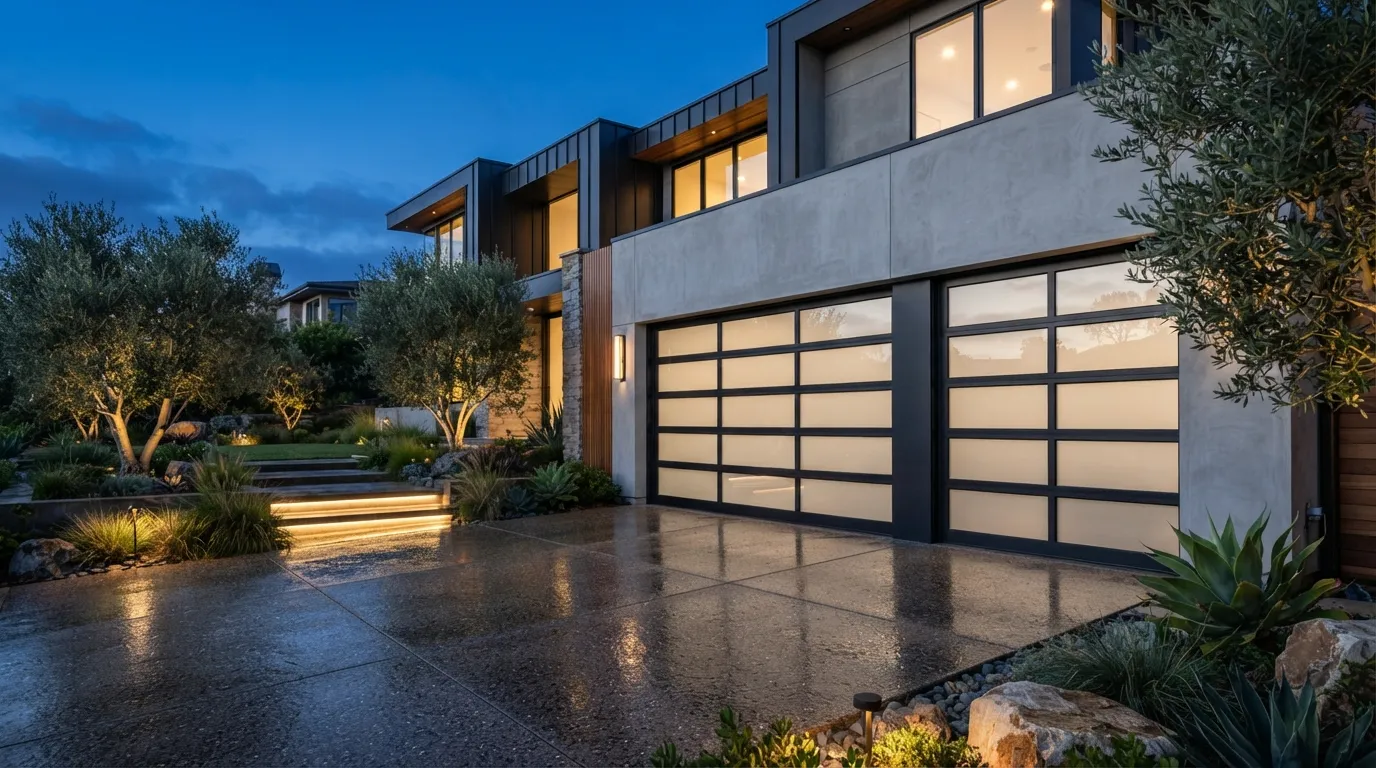
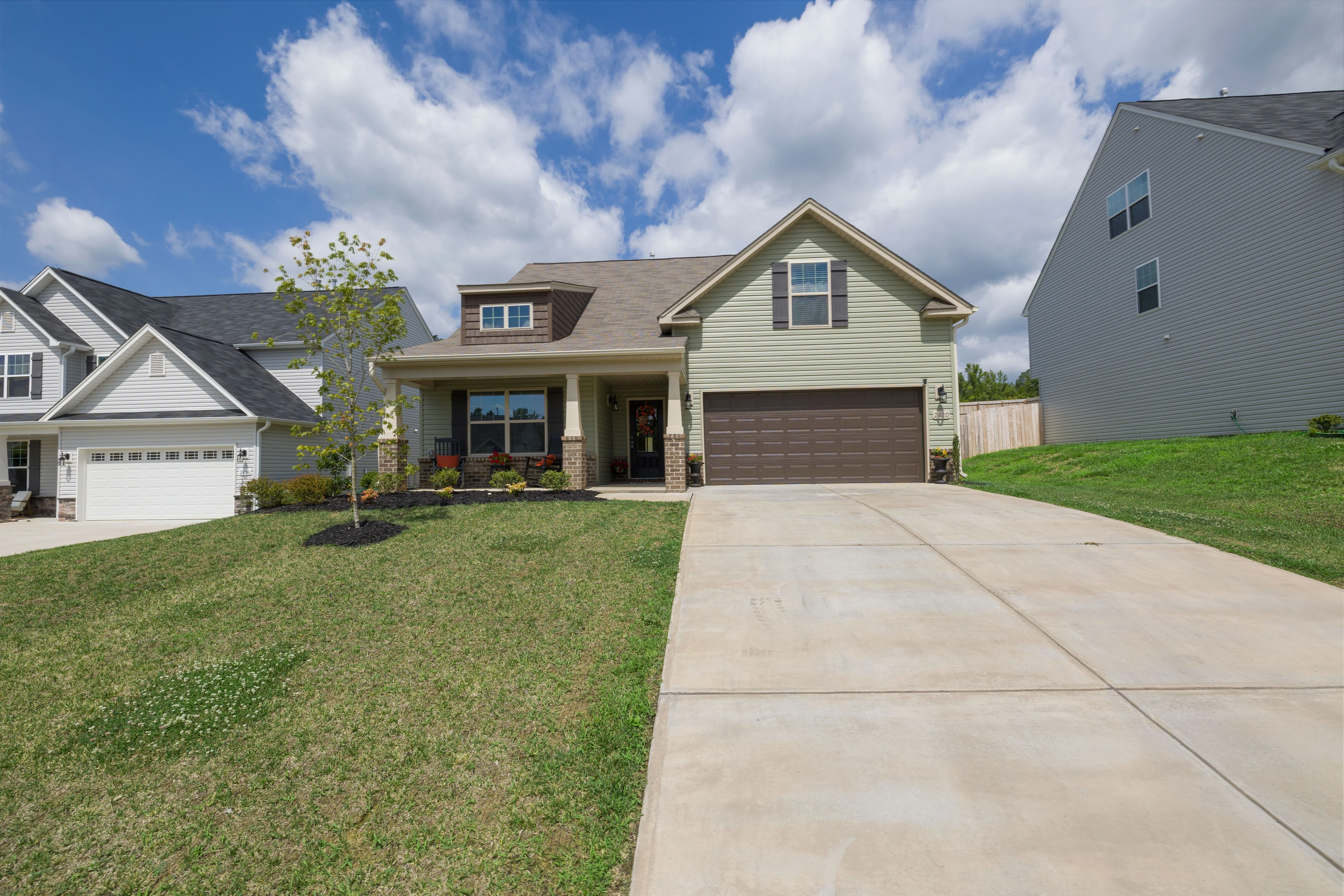
Median household income here runs around $69,153, well under the $112,168 median for the broader service area. That doesn't change how a door fails, but it does change what people ask us to do about it - more owners here want a spring or cable fixed on the door they have rather than a full replacement, and that's a reasonable call more often than not on a door from this period. The frames and tracks from the late 1960s were built to last, and a lot of them still are, if the moving parts get serviced instead of ignored.
The area
What We Will Not Take On
We won't tell you a cracked wood panel from 1968 can be patched forever. Original panels from that era were often solid wood or early composite, and once the bottom section has taken enough water and swelled, no amount of sealant fixes it - that's a section replacement or a full door, and we'll say so instead of billing you for a patch that won't hold through a second Illinois winter.
We also won't quote a same-day fix sight unseen. We travel in from Schaumburg, roughly 11 miles out, so what we tell you on the phone is a starting point, not a promise - the actual diagnosis happens once a tech is looking at the spring, track, or opener in front of them. And we don't do specialty commercial rolling doors; if that's what you've got, we'll tell you plainly rather than take the job and figure it out later.
What we find
The Usual Work Here
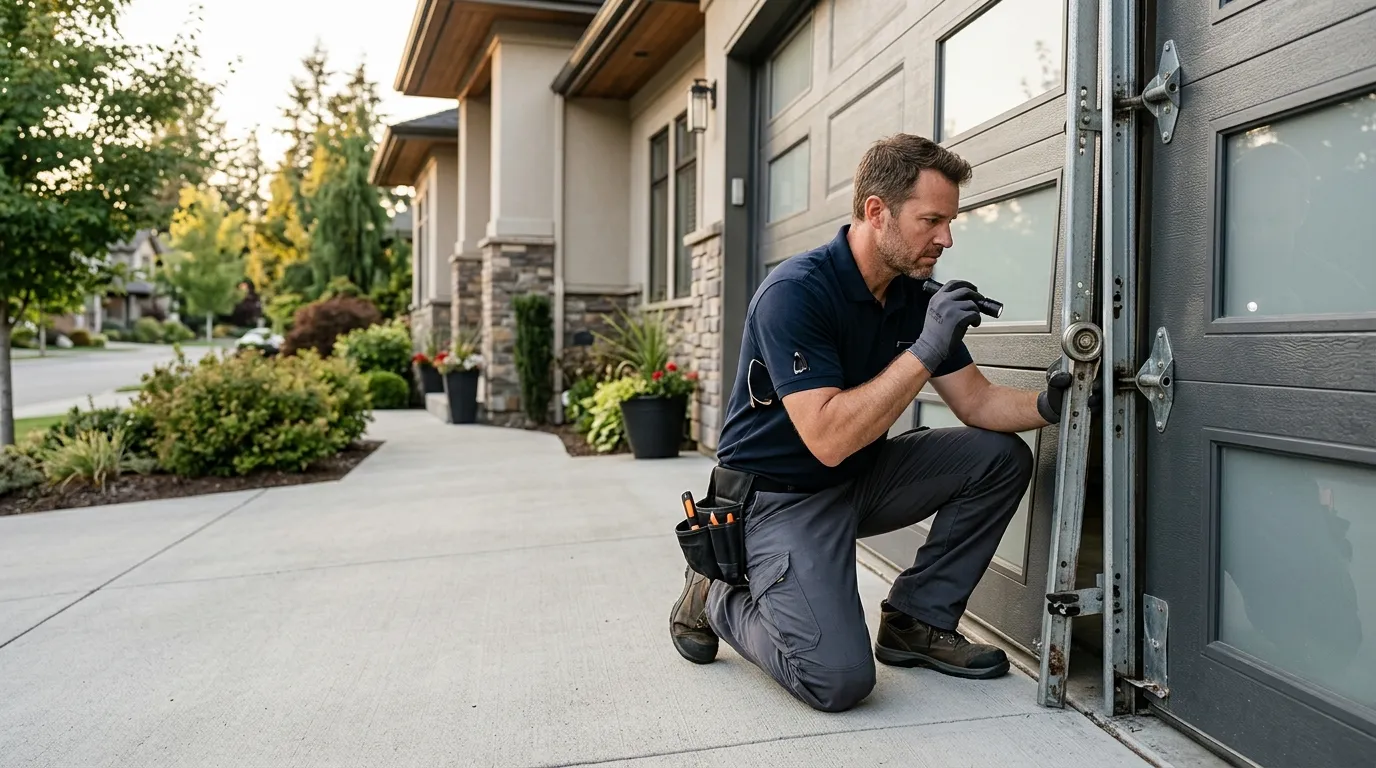
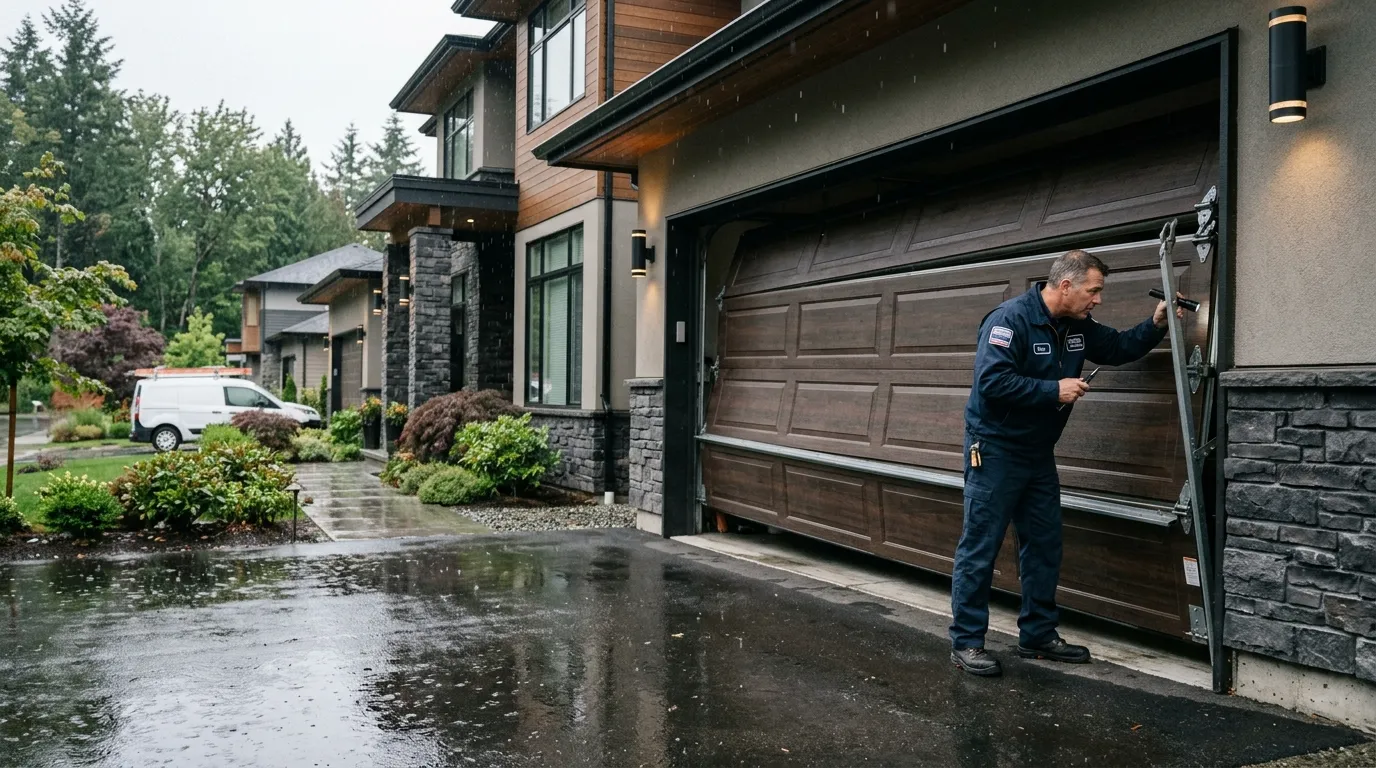
On houses from this build year, the two calls we get most are torsion springs that have finally given out after decades of cycles, and openers that were swapped in sometime in the 80s or 90s and are now on their second or third remote. The springs are the bigger deal - a door sized for a 1968 opening carries specific spring tension, and using the wrong replacement is how you end up with a door that slams down or won't stay open on its own.
Our climate here runs cold with moderate swings, and that plays into it too. Steel tracks and rollers on older doors take a beating from temperature swings between a heated garage and a January morning, and the grease that was fine in summer gets stiff enough to throw off the whole travel path. We re-lubricate, true up tracks, and replace rollers more often on doors from this era than on newer builds, simply because the parts have had more winters to work through.
How we work
How That Shows Up in the Door
Put those two things together - a 1968 median build year and a cold-moderate climate - and the failure pattern is pretty consistent: a door that's gotten heavier to lift by hand over the past year or two, a spring that finally snaps on a cold morning, or an opener that strains and stalls partway up. None of that is unusual for a door this age; it's just wear catching up with hardware that was solid to begin with.
What we can't do is promise a specific arrival window before we've scheduled the run out from Schaumburg - we're honest that we're coming from outside Rosemont, not based in it. What we can do is size the fix to the door you actually have, not a generic replacement, and explain why a torsion spring swap or a track realignment is the right call before we start the work.
Service areas
Other areas we cover near Rosemont
Questions
Common questions
Why does my Rosemont house need a different spring size than my neighbor's newer place a few miles out?
Spring tension is matched to door weight and opening height, and homes here mostly date to 1968 - a decade older than the median across the wider area. Older openings often carry heavier wood or early composite panels, so the correct torsion spring for your door may not match what's standard on a newer build nearby.
Do you have a shop in Rosemont?
No. We're based in Schaumburg, about 11 miles out, and we travel to Rosemont for service calls. We're upfront about that distance so you know what you're scheduling - a dispatched visit, not a walk-in from a local depot.
Is it worth repairing an old wood panel door instead of replacing it?
Sometimes. If the frame and hardware are sound and it's just a roller or cable issue, repair makes sense. But once a wood panel from this era has swollen or cracked from water, patching won't hold through another winter - at that point we'll tell you replacement is the better spend.
Why do doors here seem to act up more in winter?
This area sits in a cold, moderately variable climate band, and older steel tracks and rollers stiffen up more than newer sealed hardware when temperatures swing between a heated garage and a cold morning. Combined with decades of wear on 1968-era doors, that's usually what triggers a stall or a snapped spring.
Ready when you are
Need a garage door sorted in Schaumburg?
Schaumburg Garage Door Pros repairs and installs garage doors, springs and openers in Schaumburg, IL and the surrounding area.