
Westchester, Schaumburg IL
Garage Door Repair for Westchester's 1950s Housing Stock
Serving Westchester's 1950s housing stock 16 miles from our Schaumburg base - torsion springs, low-headroom tracks, and the door hardware built for the era before cold-weather codes changed.
Local detail
The Houses Here
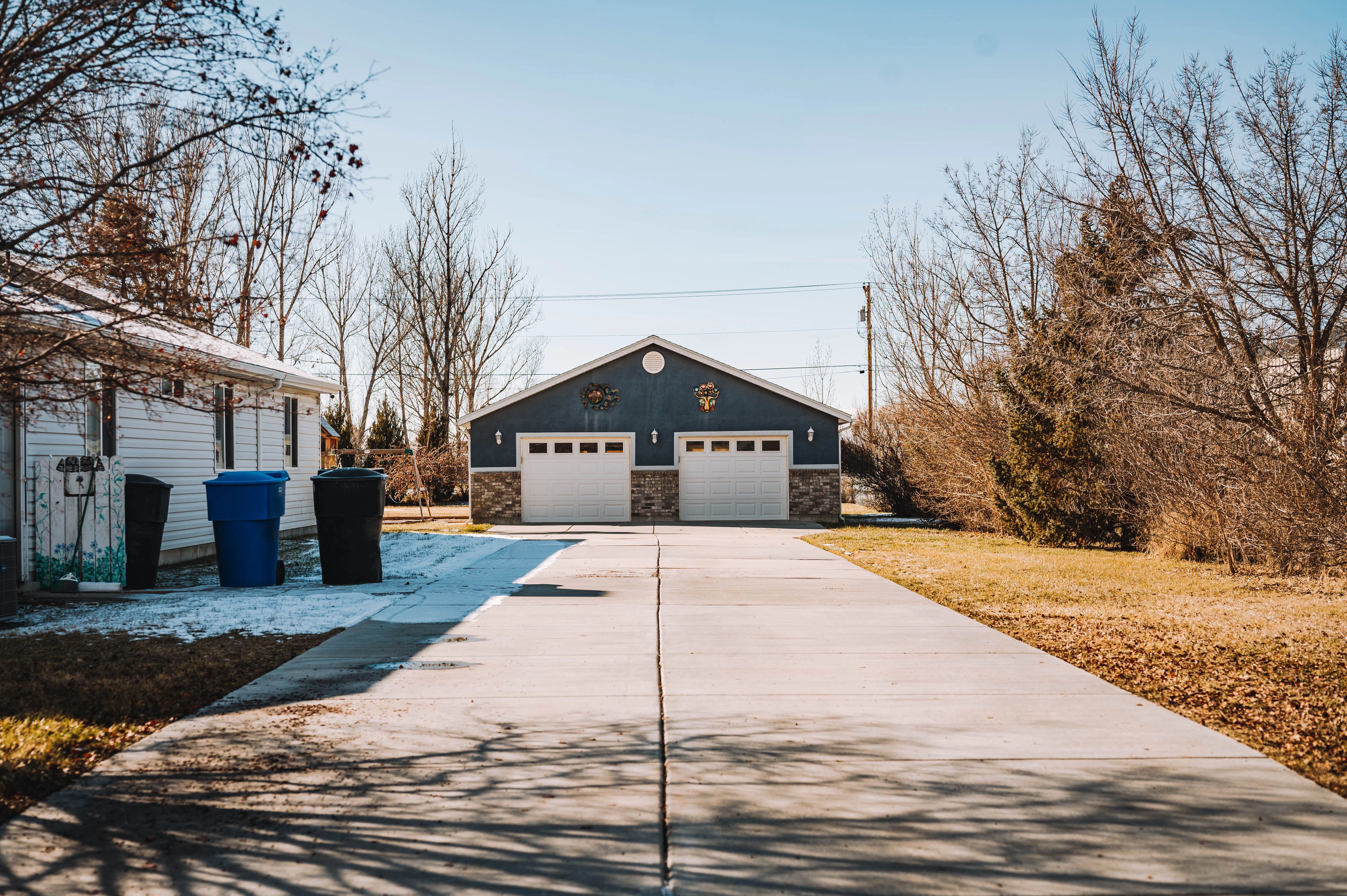
Westchester's median home was built in 1957, which puts it earlier than a lot of the surrounding service area, where the mix runs from 1938 up through 2009 with a lot of 1960s and 70s construction filling in the gaps. That matters more than it sounds like it should. A house built in 1957 got whatever garage door hardware was standard for that decade - often a lighter single-panel door on an extension spring setup, or an early sectional door retrofitted later with a torsion spring bolted onto framing that was never sized for it. Roughly 7,084 households sit in this town, and a good share of them are still living with some version of that original bones, even where the door face itself has been swapped out once or twice since.
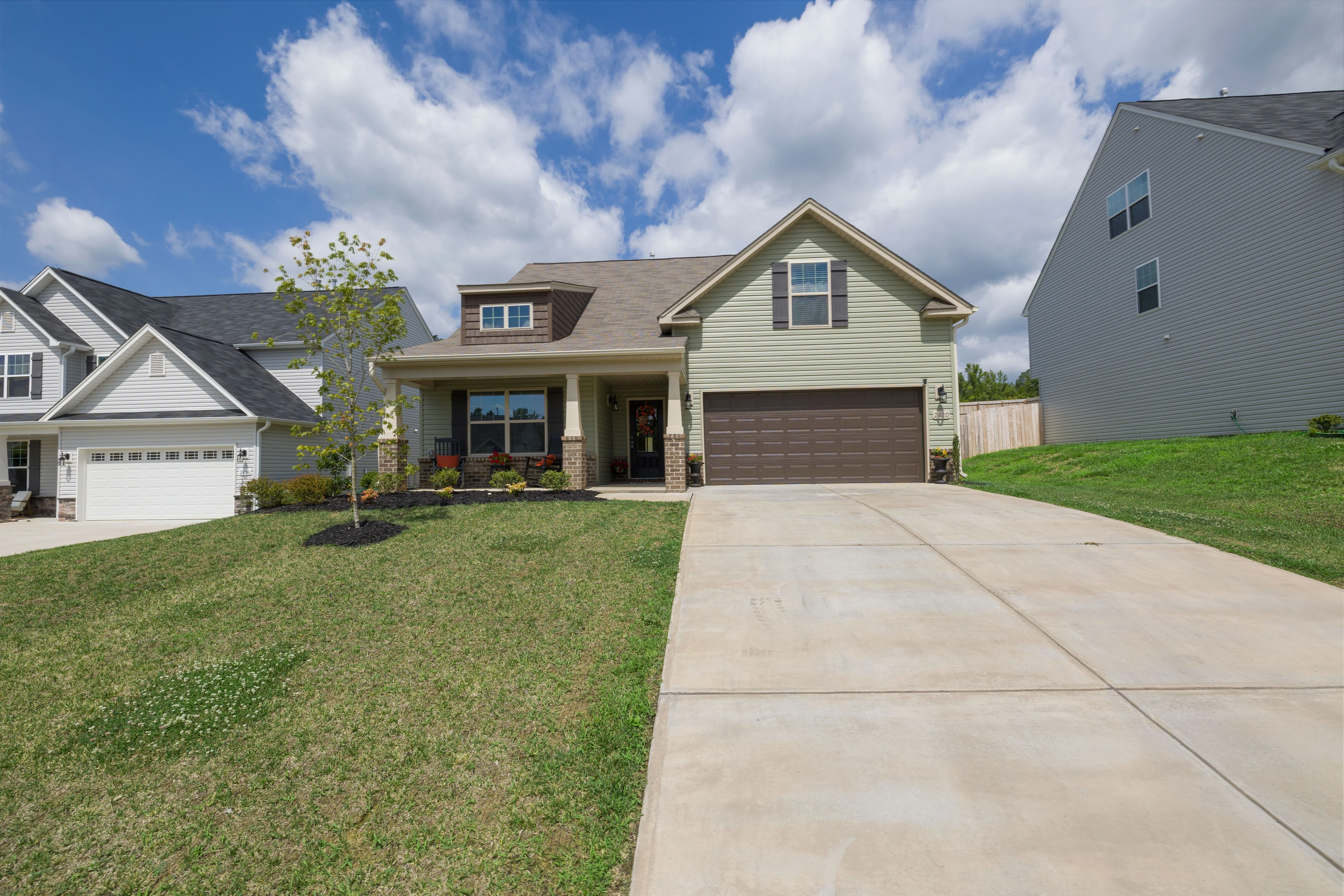
The regional housing spread (1938-2009) tells you Westchester sits toward the older end, not the middle. That's the frame for everything else on this page. We're not describing a generic aging suburb - we're describing a town where the average garage was built before the current cold-climate insulation and headroom standards existed, and where the workaround fixes from fifty years of small repairs are still bolted to the wall.
The area
What We Will Not Take On
We run out of Schaumburg, about 16 miles from Westchester, so we don't carry a same-day emergency guarantee here the way a shop with a local depot could - plan on a scheduled visit, not a walk-in. We also won't quote a repair over the phone sight unseen on anything from the 1950s-era stock; too many of these garages have non-standard track spacing or a spring size that got swapped by a previous owner's handyman, and guessing wrong means a second trip.
If a door's wood jambs have rotted enough that the track brackets won't hold torque, we'll tell you that's a carpentry job before it's a garage door job, and we'll say so rather than force a spring install into wood that won't hold it. Parts for some of the older single-panel doors and their oddball extension-spring drums aren't something we stock - those can mean a lead time while the part gets ordered, and sometimes the honest answer is that replacing the whole door costs less than chasing parts for one nobody makes anymore.
What we find
The Usual Work Here
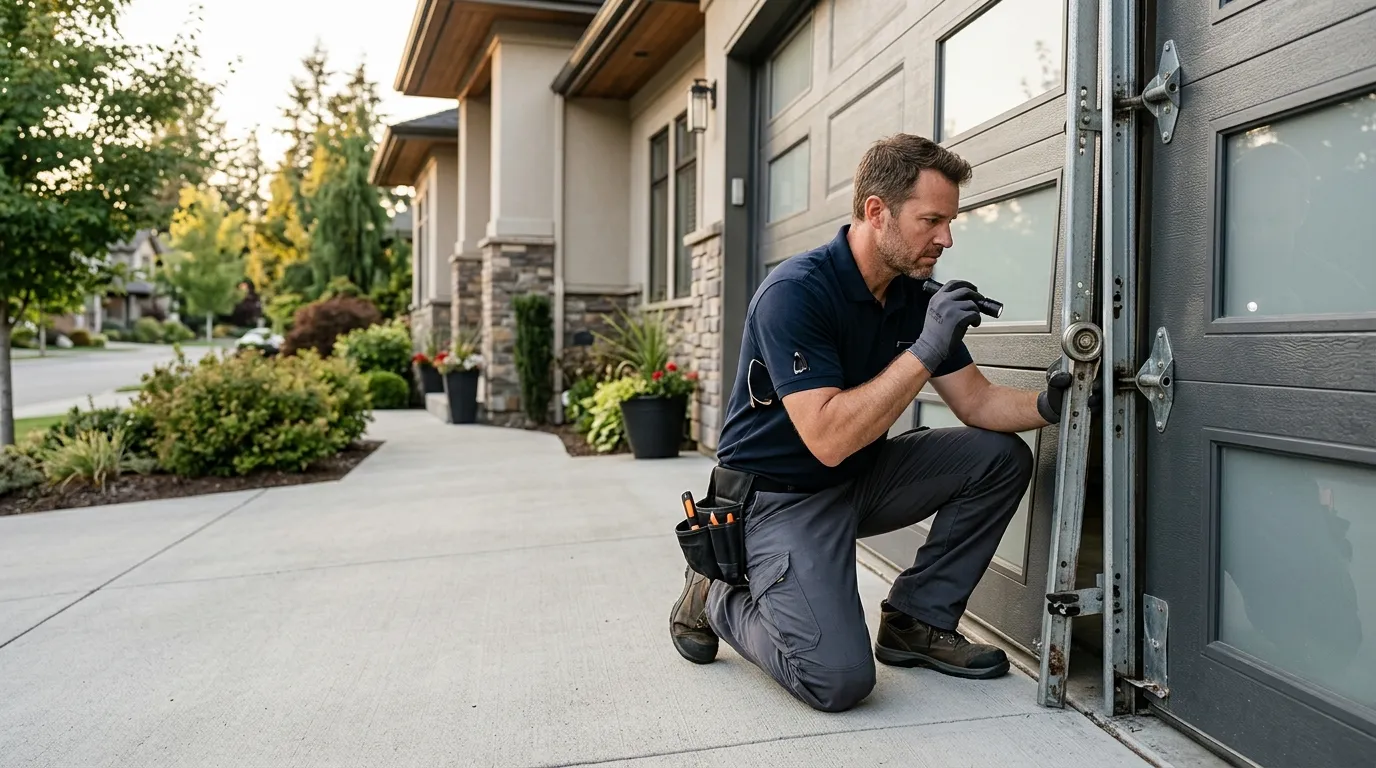
On a town built mostly around 1957, the calls we see most are torsion springs that have simply outlived their cycle count - a spring rated for a certain number of open-close cycles doesn't care how well the rest of the house was maintained, it just wears out - and extension-spring conversions where someone added an opener decades after the original manual door went in. Rollers on these older tracks tend to be steel rather than nylon, which means more noise and more wear on the track itself over time.
Cable fraying shows up more here than on newer sectional doors because the drums and cable routing on 1950s-70s hardware often weren't designed with modern opener torque in mind. Across the wider service area - 525,414 households and 261,093 owner-occupied houses - this pattern of older single-panel and early-sectional doors carrying newer openers is common, but Westchester's earlier median build year means the mismatch shows up sooner and more often.
How we work
How That Shows Up in the Door
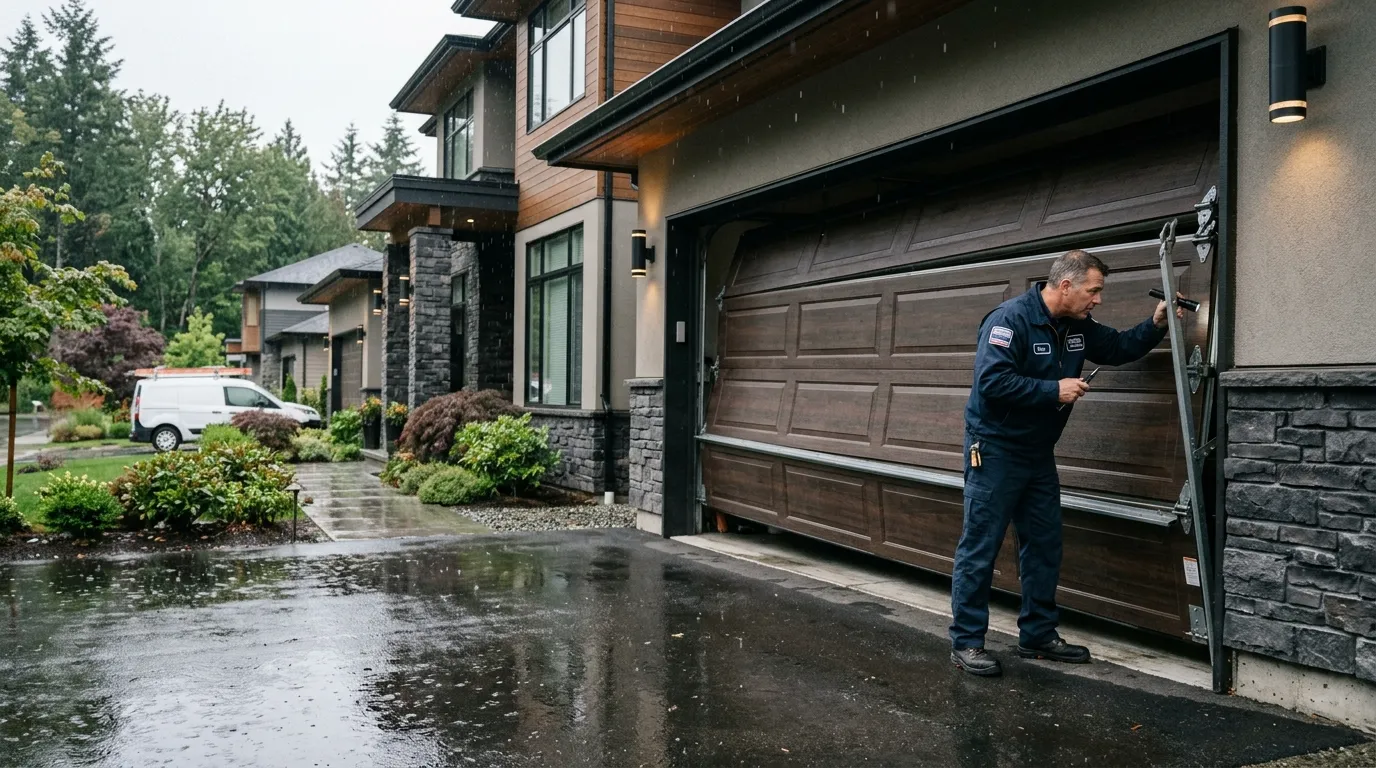
Practically, this means a Westchester service call is more likely to involve checking headroom before quoting a new door - a lot of these garages were framed with less clearance above the opening than current sectional doors want, which limits which replacement models even fit without extra track work. It means we check whether the spring is torsion or extension before we open the truck, since guessing wrong wastes a trip. And with the region sitting in a cold-moderate climate band, insulation matters more here than in a warmer market - an original 1950s door with no insulation layer at all is a common find, and swapping it for an insulated sectional door changes the garage's winter temperature more than most owners expect.
None of this is exotic work. It's just work shaped by a house that's a decade or two older than the neighborhood norm, and hardware that was never built to the specs a newer door assumes.
Service areas
Other areas we cover near Westchester
Questions
Common questions
Do you have a shop or depot in Westchester?
No - we run out of Schaumburg, about 16 miles away, and schedule visits into Westchester rather than staffing a local depot. That means we book ahead rather than offering instant walk-up service, but we do work in the area regularly.
Why does my 1950s garage door break more than my neighbor's newer one?
Westchester's median home was built around 1957, and doors and hardware from that era weren't engineered for the torque of a modern opener or the cycle counts of daily automatic use. Springs, cables, and rollers sized for a manual single-panel door wear faster once an opener gets added.
Is it worth repairing an original 1950s door instead of replacing it?
Sometimes, but not always. If the panel and jambs are sound, a spring or roller repair can extend it for years. If the wood framing has rotted or parts are no longer stocked, replacement usually costs less over time than chasing obsolete hardware.
Ready when you are
Need a garage door sorted in Schaumburg?
Schaumburg Garage Door Pros repairs and installs garage doors, springs and openers in Schaumburg, IL and the surrounding area.