
Guide
Attached or Detached: It Changes the Job in Schaumburg
Schaumburg homes built between 1938 and 2009 split between attached and detached garages. Here's how that difference changes the door, the opener, and the job.
Local detail
How Local Conditions Play In
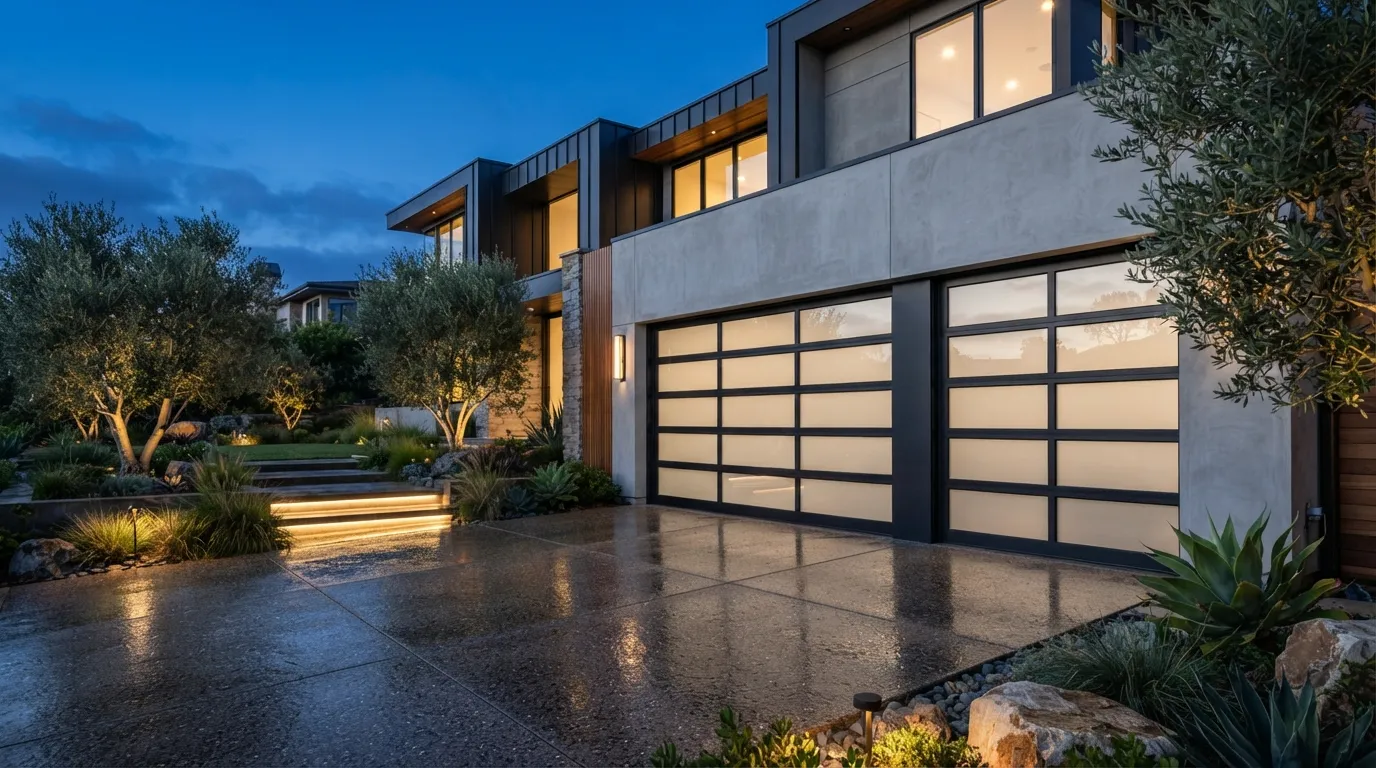
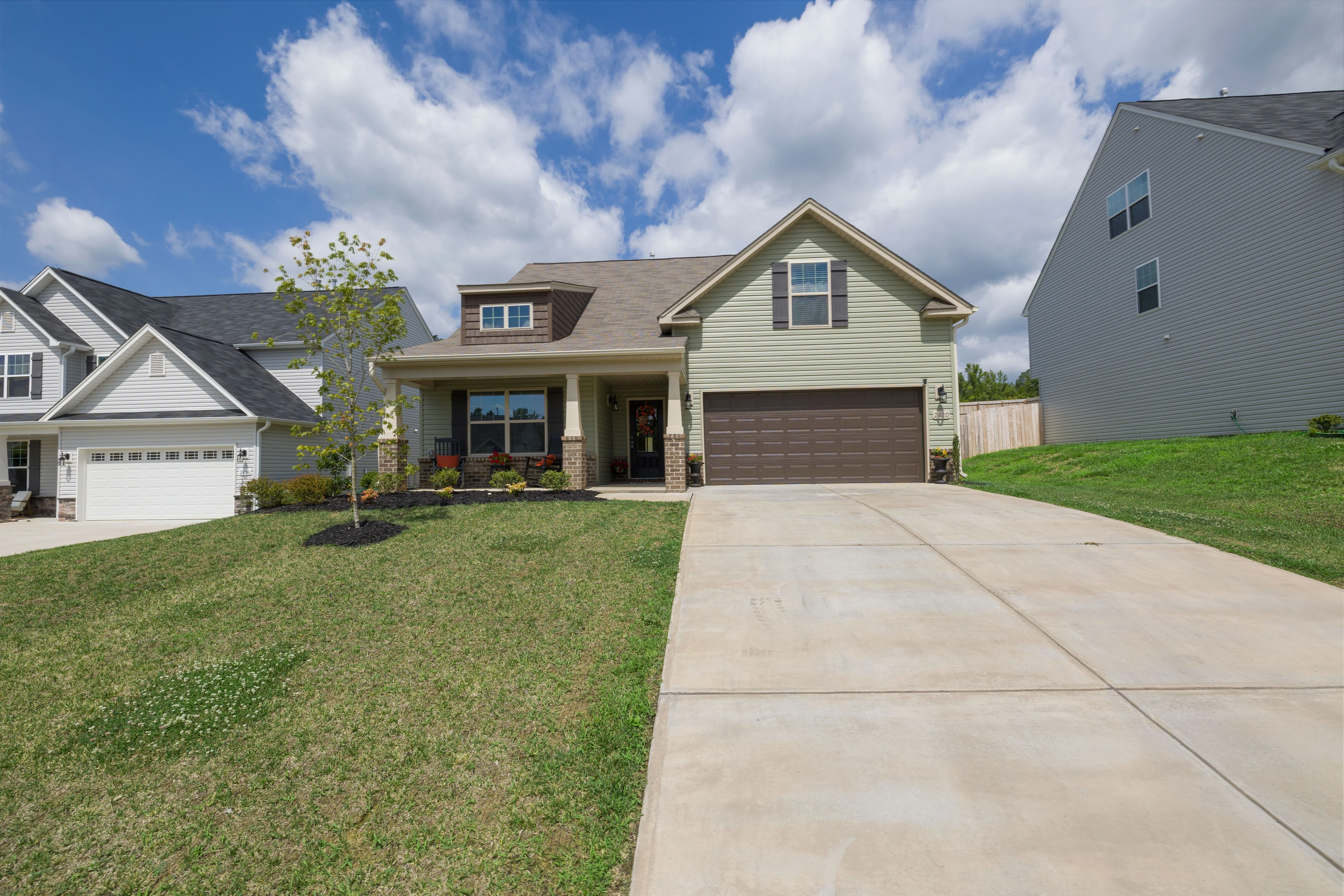
Most of the housing stock around Schaumburg dates to the 1960s and 70s, with the wider range running 1938 to 2009. That matters here because attached garages became the default in exactly that mid-century building wave - builders started framing the garage as part of the house rather than as a separate structure out back. If your place was part of that boom, the garage almost certainly shares a wall or ceiling with living space, which changes what a bad door actually costs you.
An attached garage in a cold-moderate climate band like this one means the door is doing double duty: keeping weather out and keeping the temperature swing away from whatever room sits on the other side of that shared wall - a bedroom, a laundry room, sometimes a finished basement stairwell. A worn seal or a door that doesn't sit flush isn't just a curb-appeal problem, it's a heating bill problem through a Schaumburg winter.
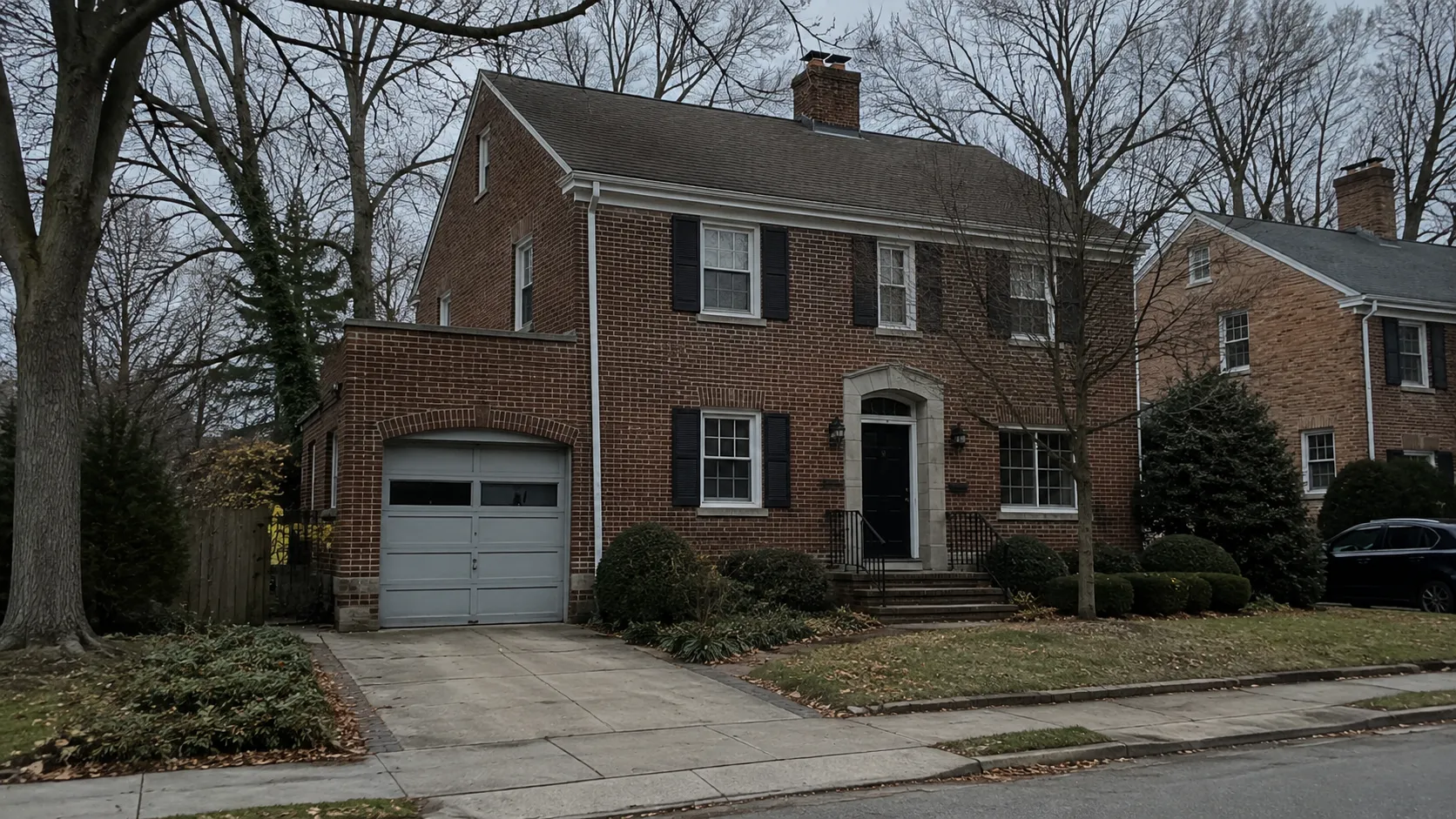
Detached garages built in that same era don't carry that heat-loss concern for the house, but they do carry their own: an unheated structure with an opener and torsion hardware sitting through the same cold swings, with no residual warmth from the house to slow down condensation or metal fatigue on the springs.
The area
What to Look At First
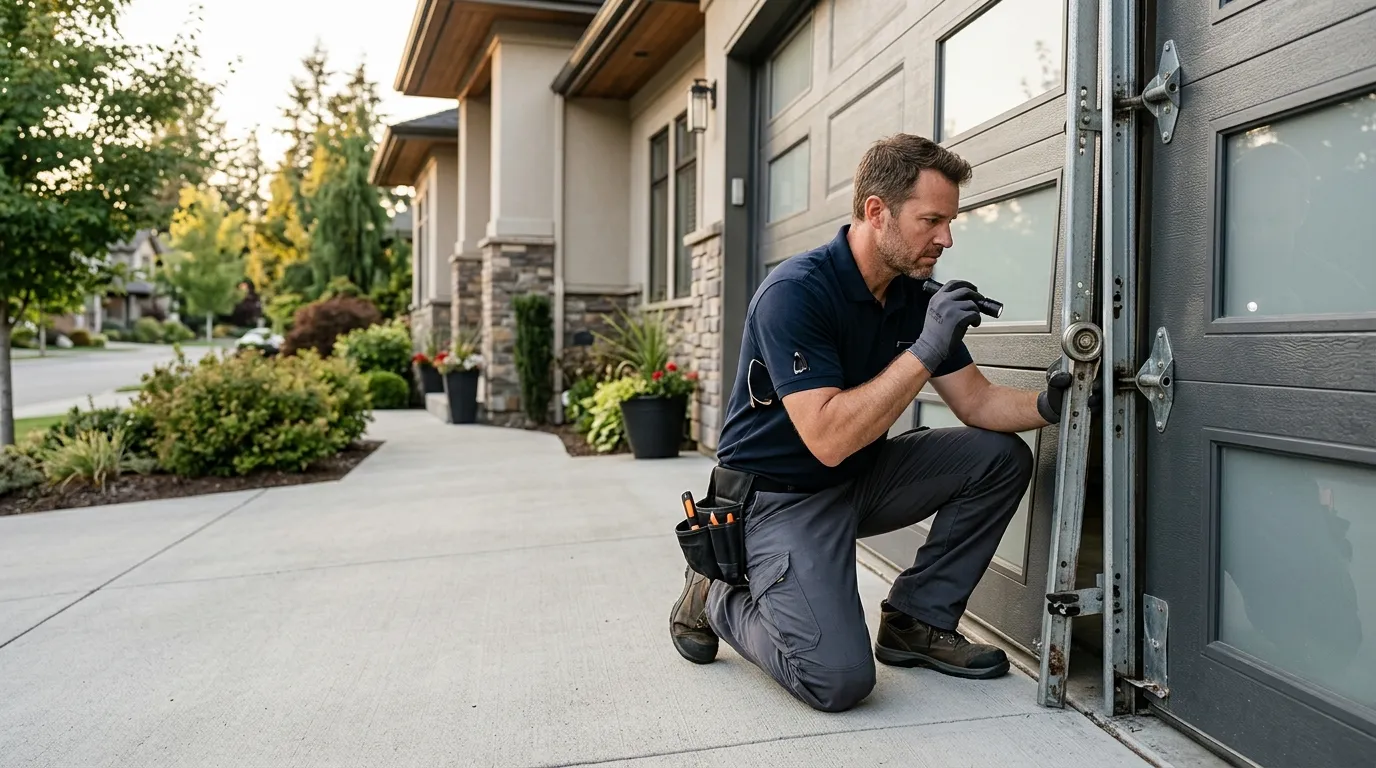
If your garage is attached, start at the top seal and the weatherstripping along the jambs. On houses from the 1960s-70s wave, that's usually the first thing to fail, and it's the piece most directly tied to comfort inside the house, not just the garage. Check for daylight around the edges when the door is down and for a stiff, cracked bottom seal that no longer compresses.
If it's detached, the priority shifts to the opener and the spring. A detached structure with no shared wall doesn't get any heat bleed from the house, so hardware there sees the full range of a cold-moderate winter with nothing softening it. Look at the spring for surface rust and listen for a grinding opener motor on cold mornings - both show up faster on a garage that's fully exposed.
Either way, panel condition matters less than hardware condition on housing this age. A door built or replaced anywhere in that 1938-2009 range has likely had at least one prior spring swap if the house is on the older end, and torsion hardware from different decades isn't always cross-compatible, which is the kind of thing worth knowing before you order a part yourself.
What we find
The Situation
Schaumburg sits among a dense ring of close-in suburbs - Roselle three miles off, Hanover Park at four, Itasca and Bloomingdale both around five - and the housing patterns don't change sharply block to block in that stretch. What does change is which houses got the attached-garage treatment and which kept a detached structure, often depending on lot layout more than the decade built.
We don't have a count of how many garages in the area are attached versus detached - that's not something we can state without a real number behind it, so we won't guess. What we can say is that the era of construction, 1938 to 2009 with the bulk in the 60s and 70s, lines up with the decades when attached construction became standard, so a lot of what you'll see driving through is attached. Detached garages tend to show up on older or larger lots.
Either way, the fix depends on which one you've got, not on a general rule that applies everywhere.
How we work
What It Costs
We're not going to hand you a flat number here, because attached and detached jobs don't cost the same and neither does a spring swap versus a full door replacement. What we can tell you honestly: an attached-garage job usually involves more careful work around the shared wall and any finished trim nearby, while a detached job is more straightforward mechanically but sometimes means a longer look at an opener that's been running unheated for years.
Median household income in the service area sits around $112,168, which tells you the market can support a proper repair rather than a patch job, but it doesn't set your price - your door size, spring type, and opener age do that. The honest limitation is that we can't quote a number over the phone without knowing which of those you've got. A same-visit look at the hardware is the only way to give you a real figure instead of a guess.
Questions
Common questions
Does it matter if my garage is attached or detached for a spring repair?
It affects access and sometimes safety precautions more than the repair itself. An attached garage often has finished space nearby that needs protecting during the job, while a detached structure gives more room to work but may have an opener that's aged faster from full cold exposure.
Why does my attached garage door let cold air into the house?
Worn weatherstripping or a bottom seal that's lost its compression is the usual cause. On homes from the 1960s-70s wave common around Schaumburg, that seal is often original or long overdue, and it's the direct link between the garage and the room it shares a wall with.
Is a detached garage door harder to maintain?
Not harder, just different. Without heat bleed from the house, hardware in a detached garage sees the full range of a cold-moderate winter, so springs and opener parts can show wear a bit sooner than the same parts in an attached setup.
Ready when you are
Need a garage door sorted in Schaumburg?
Schaumburg Garage Door Pros repairs and installs garage doors, springs and openers in Schaumburg, IL and the surrounding area.