
West Dundee, Schaumburg IL
Garage Door Service for West Dundee Homes
Garage door repair for West Dundee's 1980s-era homes, 14 miles from our Schaumburg base. We know the steel doors and openers this build era brought.

Local detail
The Houses Here
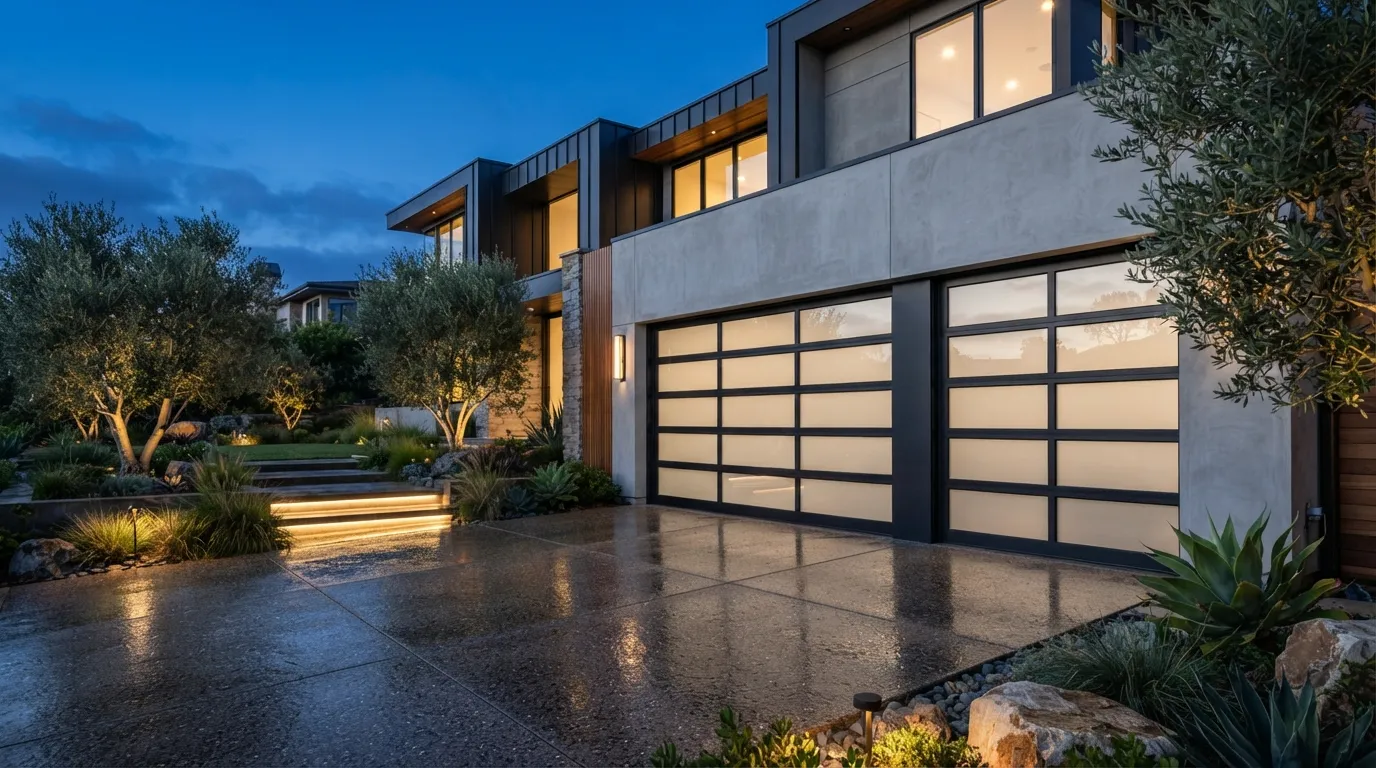
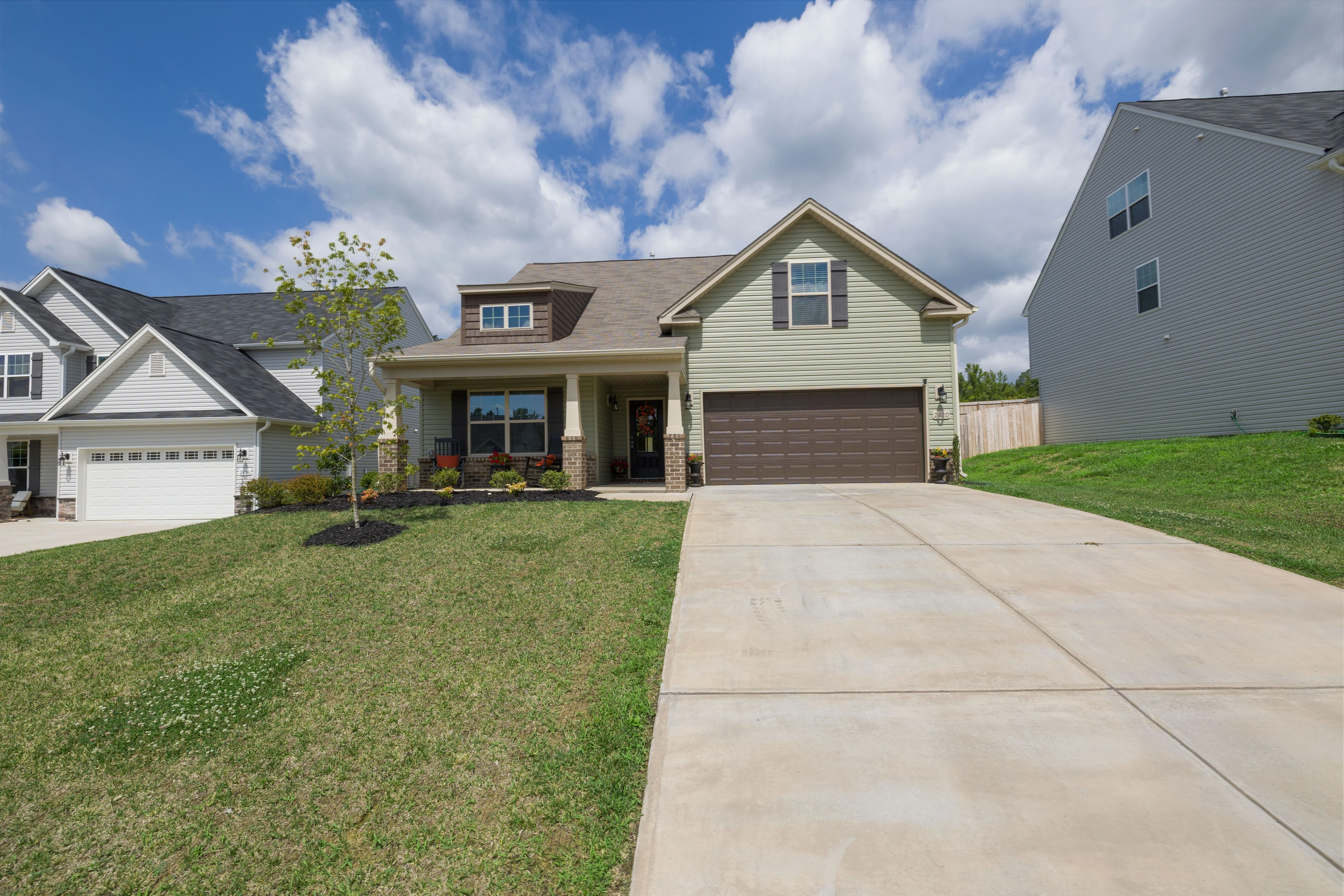
West Dundee's housing stock centers on a median build year of 1988, which puts it a decade or more past the 1960s-70s wave that shaped much of our wider service area. That gap matters more than it sounds. A house built in 1988 almost never has the old wood-panel door on a side-mounted torsion setup we see in older subdivisions closer to Schaumburg. Instead you're looking at steel sectional doors, torsion springs mounted on a center shaft above the opening, and chain-drive or early screw-drive openers that were standard through the late 80s and into the 90s.
With roughly 3,096 households in this area, most of what we get called out for traces back to that same construction window - doors and openers that are now 30-plus years old and hitting the end of their expected service life at close to the same time. The area sits solidly in the region's cold-moderate climate band, so winter temperature swings put real stress on springs and weatherstripping that were fine at installation but have hardened or fatigued with age. It's not a neighborhood of oddball hardware - it's a neighborhood where a lot of doors are aging out together.
The area
What We Will Not Take On
We drive out from Schaumburg, about 14 miles away, and that distance shapes what makes sense for us to take on here. We don't keep a stocked truck sitting in West Dundee, so if your door needs a part we don't already carry - an odd-length track section or a discontinued opener logic board, for instance - that's a return trip, not a same-visit fix. We're upfront about that instead of promising a fast turnaround we can't back up from this distance.
We also won't tell you to replace a door that just needs a spring and a tune-up, and we won't try to force a repair onto a door that's structurally shot - rot at the bottom panel or a bent track from an impact usually means replacement is the honest answer, not another patch. If a job calls for electrical work beyond the opener circuit itself, that's outside what we do and we'll say so rather than guess.
What we find
The Usual Work Here
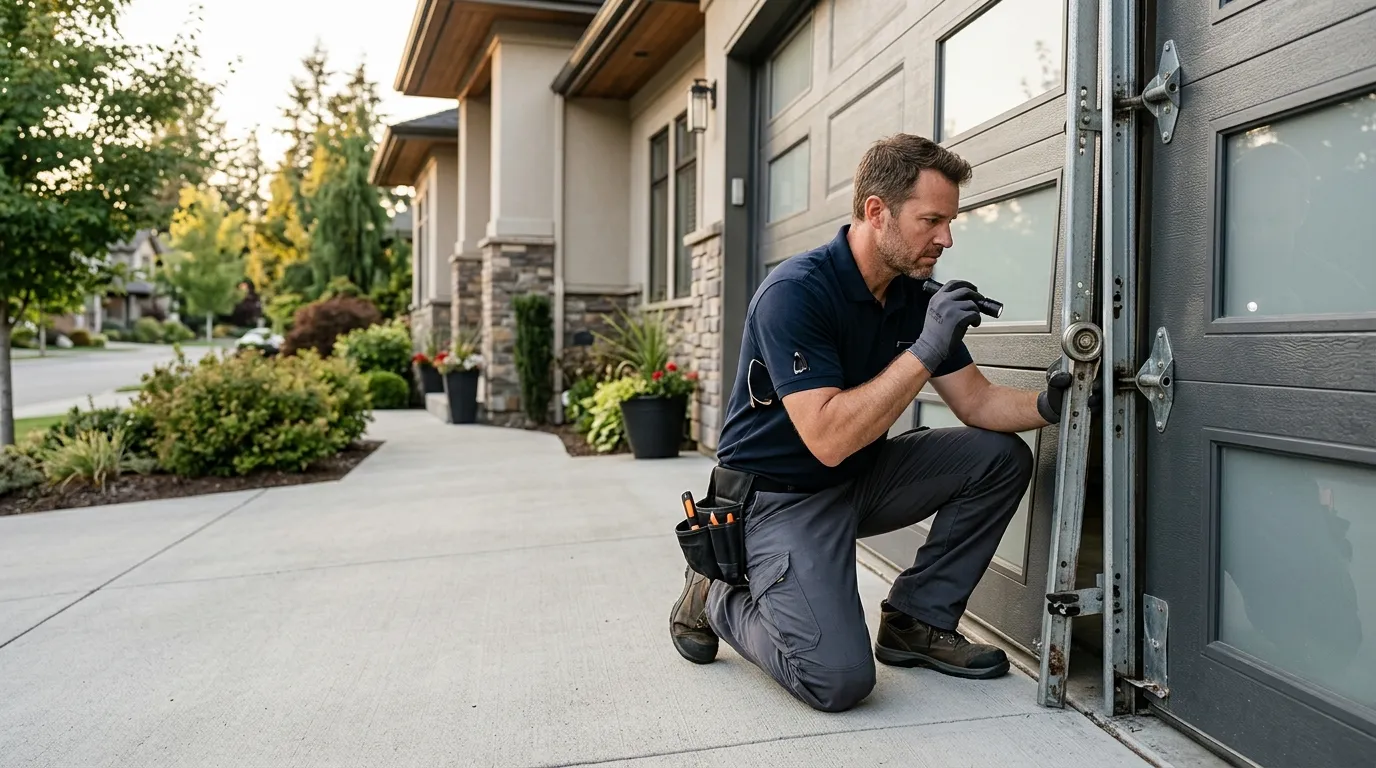
Given the 1988 median build year, the calls we get from this area cluster around a predictable set of problems. Torsion springs installed in the late 80s and 90s are well past their rated cycle count by now, and a snapped spring on a steel door of that era is the single most common reason for an emergency call. Chain-drive openers from that generation are also reaching the point where the drive gear strips or the logic board starts misreading the safety sensors - not dangerous by itself, but annoying when the door won't close on the first try.
We also see worn rollers and hardened weatherstripping, both accelerated by the area's cold-moderate winters, where repeated freeze-thaw cycles dry out rubber seals and add resistance that stresses everything downstream of it, including the opener motor. Median household income in the wider area runs around $104,750, and most owners here choose to fix the spring or opener rather than replace the whole door, since the steel panels themselves usually outlast the moving hardware by a wide margin.
How we work
How That Shows Up in the Door
Put those two things together - a 1988 median build and 30-plus years of cold-moderate winters - and the pattern at the door itself is consistent. Torsion springs are due or overdue, center-mounted rather than the older side-mount style, so the fix looks different than it would in an older subdivision. Openers are usually chain-drive units nearing or past their design life, sometimes still functional but noisy, slow, or inconsistent with the safety sensors.
Steel panels themselves tend to hold up well through this era; it's the moving parts - springs, rollers, cables, the opener's drive components - that show wear first. If your door is groaning on the way up, reversing before it touches the floor, or the opener remote works only sometimes, that's the profile of a house from this build window, not a sign the whole door needs to go.
Service areas
Other areas we cover near West Dundee

Questions
Common questions
How far out does Schaumburg Garage Door Pros travel for West Dundee calls?
We come from our base in Schaumburg, about 14 miles away. We don't keep a depot or stock truck stationed in West Dundee, so we plan the visit with that distance in mind rather than promising an on-demand response time we can't guarantee.
Why do garage doors in West Dundee fail differently than in older nearby towns?
West Dundee's median build year is 1988, roughly a decade newer than much of the surrounding area. That means center-mounted torsion springs and chain-drive openers from the late 80s and 90s, rather than the older side-mount torsion hardware common in 1960s and 70s construction elsewhere.
Is a snapped spring on a 1980s-built door a sign the whole door is failing?
Usually not. Steel panels from this era typically outlast the springs and opener hardware. A broken torsion spring after 30-plus years of cold-weather cycling is normal wear, and in most cases replacing the spring and inspecting the opener is enough - the door itself doesn't need to go.
Do you replace doors that could still be repaired?
No. If a spring, cable, or opener part is the actual problem, we fix that instead of pushing a full replacement. We only recommend replacement when the door itself has structural damage, like rot or a bent track from an impact, where a repair wouldn't hold.
Ready when you are
Need a garage door sorted in Schaumburg?
Schaumburg Garage Door Pros repairs and installs garage doors, springs and openers in Schaumburg, IL and the surrounding area.