
Lake in the Hills, Schaumburg IL
Garage Door Work in Lake in the Hills, Run Out of Schaumburg
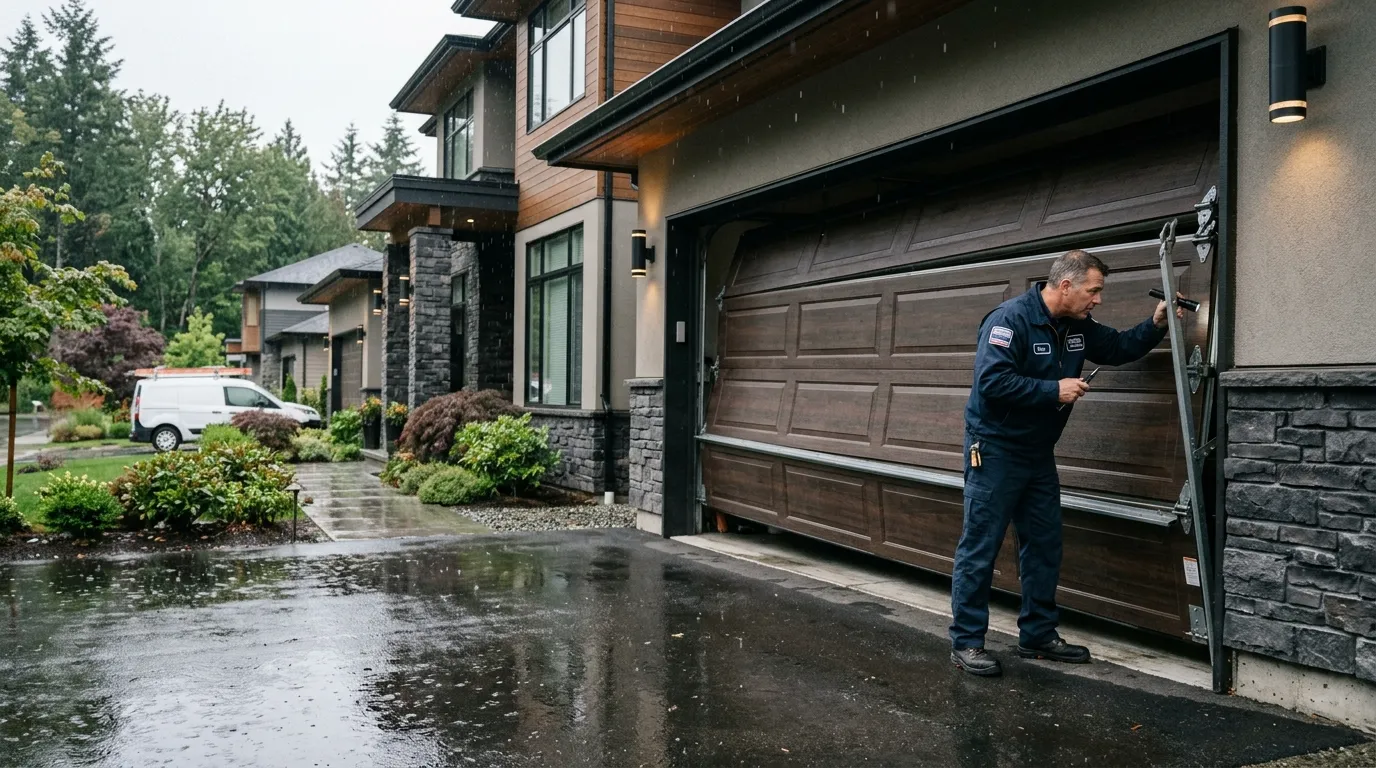
Schaumburg Garage Door Pros travels 16 miles to Lake in the Hills to work on the steel doors, torsion springs, and rollers typical of 1990s-built homes here.
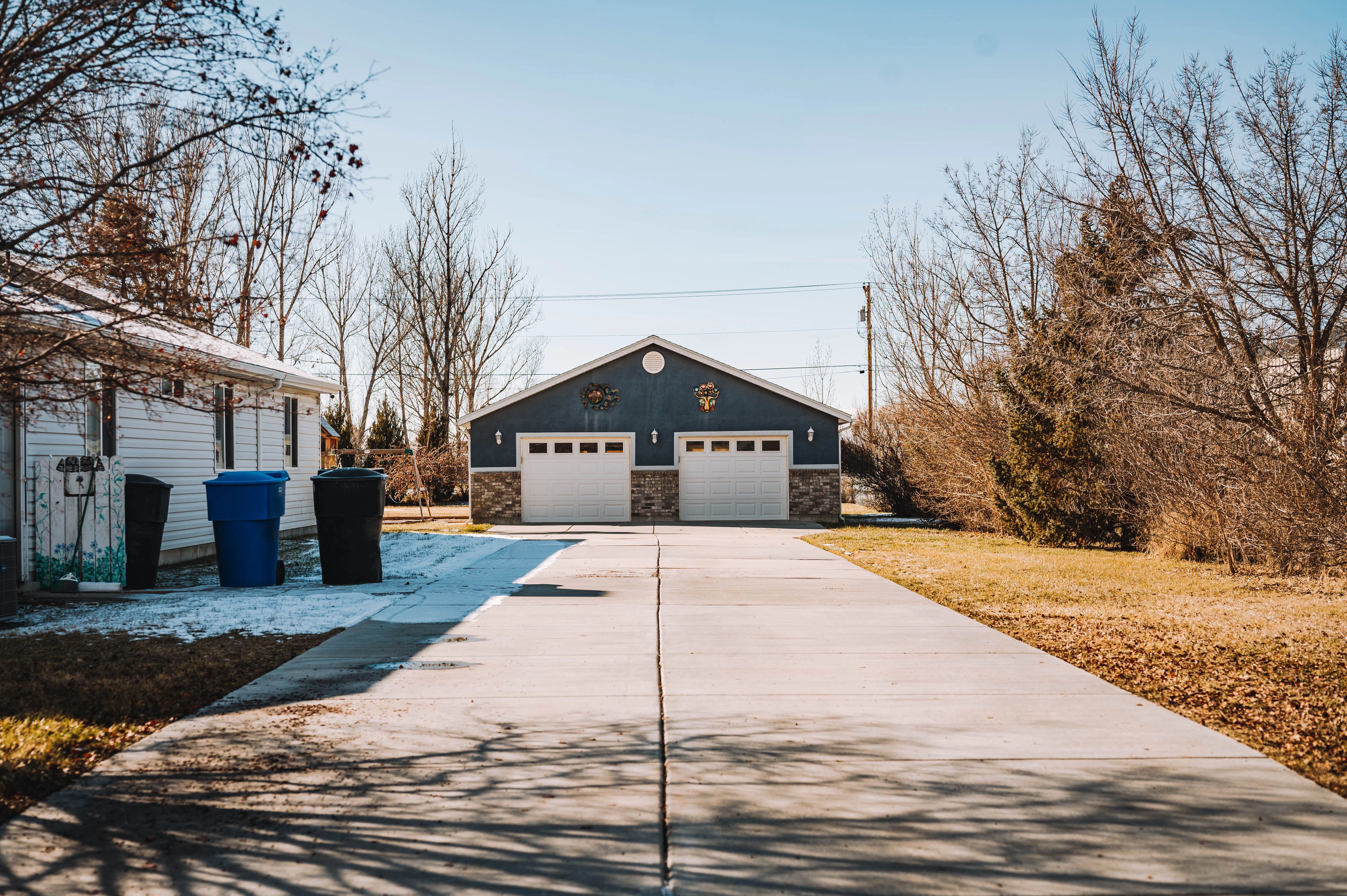
Local detail
The Houses Here
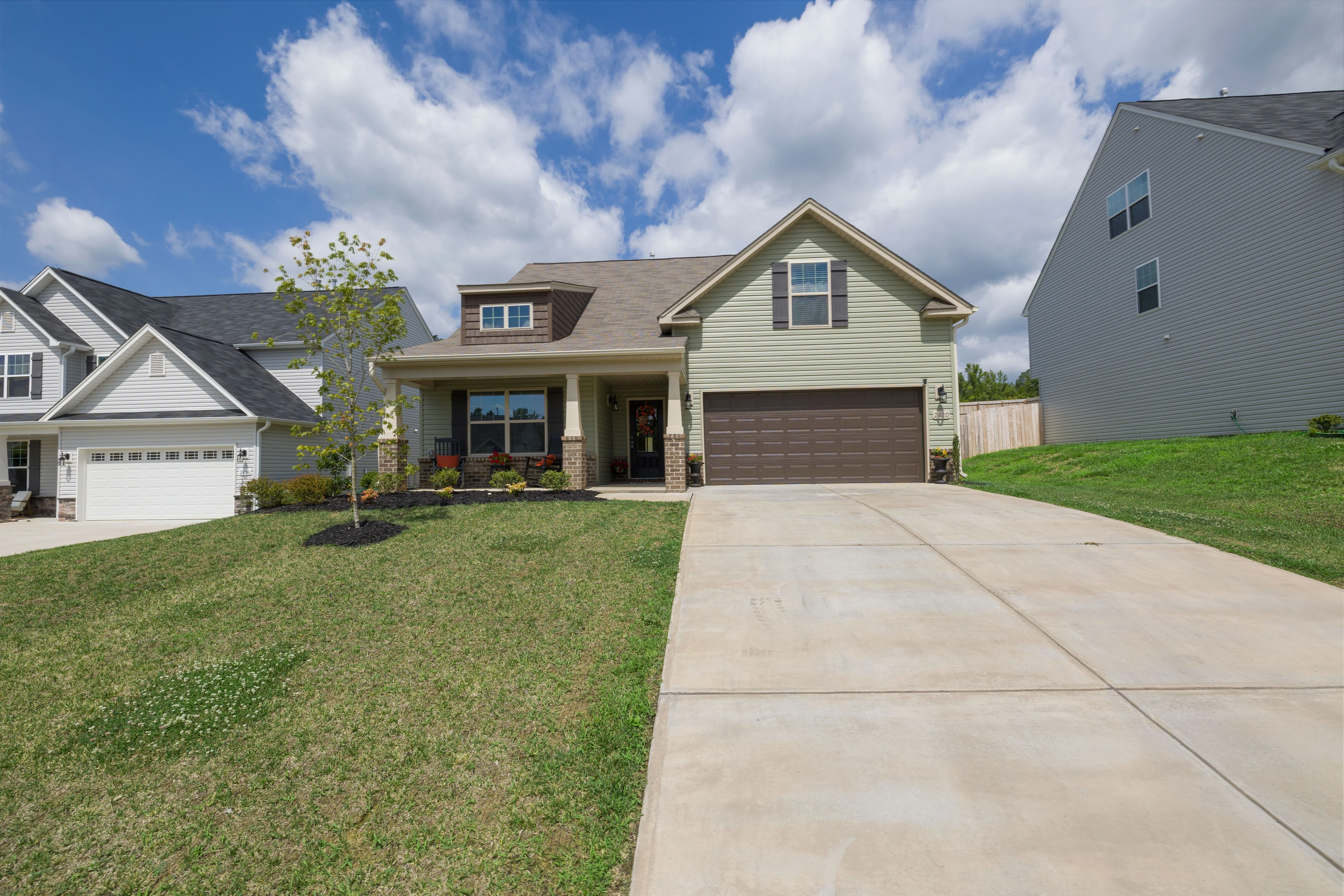
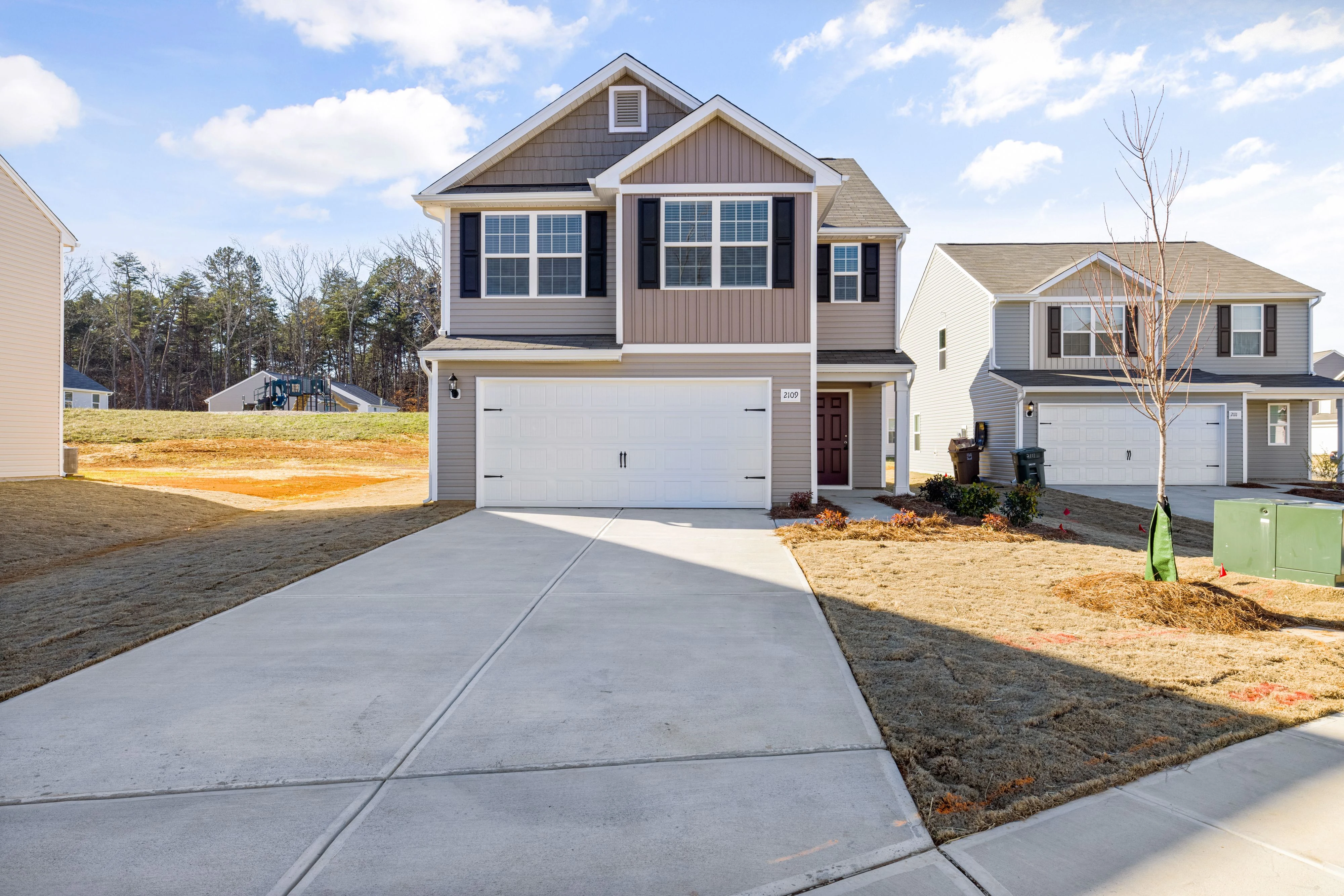
The subdivisions in Lake in the Hills mostly went up around the mid-1990s, which puts this area well ahead of the rest of the territory we cover. Across the wider service area, housing spans 1938 to 2009 with a median build year of 1977, and most of that stock leans 1960s and 70s. Lake in the Hills doesn't fit that pattern.
What that means on the ground: fewer old side-mounted extension springs bolted above the track, fewer wood doors on 1960s hardware, and a lot more factory-standard steel sectional doors on torsion springs mounted above the opening, the setup that became common once builders moved past the older extension-spring style. With roughly 9,898 households and a median income of $113,491 - a bit above the $112,168 median across the broader area - this is a market of newer construction with newer original equipment, not a mix of eras. The doors going bad now are the same age as the neighborhoods: about 25 to 30 years old, which is close to end of life for a torsion spring and getting there for a garage door opener motor and gear set from the same install.
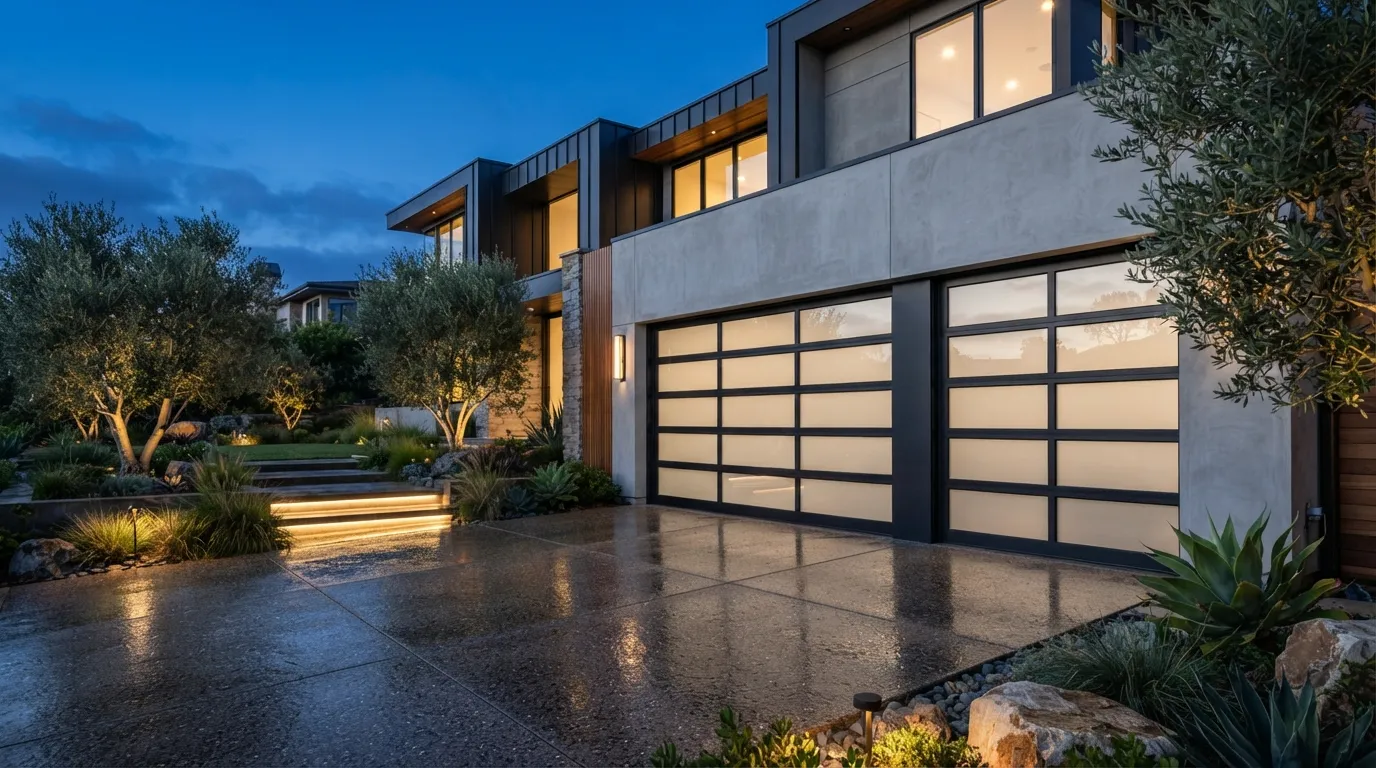
The area
What We Will Not Take On
We don't stock parts for pre-1970s extension-spring hardware, and in a town built mostly after 1990 we rarely need to. If a home here does have an older door - moved in from elsewhere, or a rebuild on an older lot - a part that specific can mean a longer wait than a standard torsion spring or steel panel, since that's not what we keep on hand for this stop. We also don't try to save a door that's cracked through a bottom panel or bent a track badly enough that the whole frame has shifted; at that point patching it costs more over a year than replacing it once.
And since we run out of Schaumburg rather than keeping a truck stationed in town, we don't promise a same-day slot - we book the drive in with the rest of the day's route. Straight answer beats a maybe.
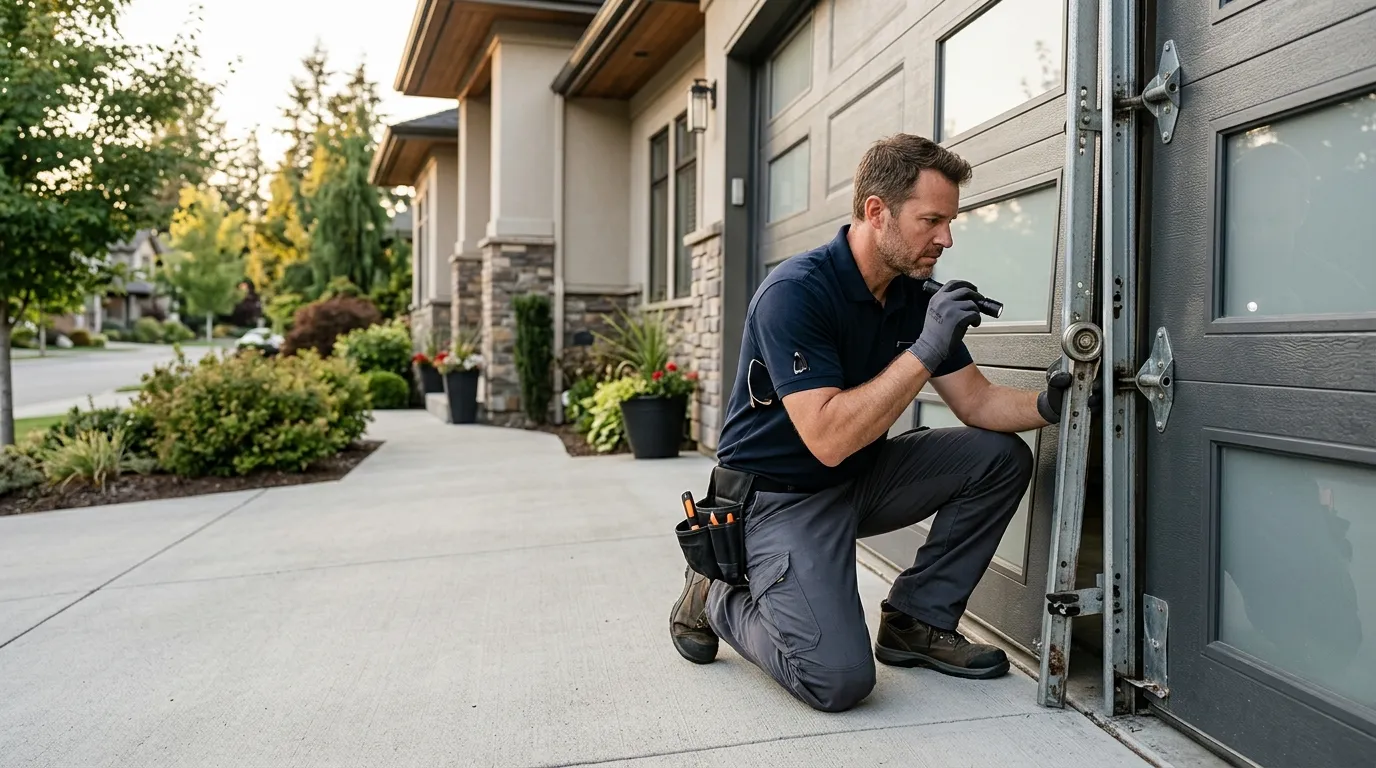
What we find
The Usual Work Here
Most calls in this area are torsion spring replacements on doors original to houses built in the mid-1990s - the springs are simply hitting their cycle limit around now. Close behind that: opener swaps, since a garage door opener from a 1990s build is often on its second decade of daily use and the gear and circuit boards from that era don't hold up forever. We also see roller replacement on steel sectional doors where the nylon rollers have worn enough to make the door loud or catch partway up the track, and occasional panel dents from cars backing out tight driveways typical of these subdivisions.
Cable fraying shows up on double-wide doors more than singles, just from the extra load across a wider span. None of this is exotic work - it's what you'd expect from a town's housing stock all aging on roughly the same clock.
How we work
How That Shows Up in the Door
A steel sectional door on a factory torsion spring, hung above a wide two-car opening, is the default here rather than the exception - that's what a mid-1990s subdivision builder installed across the board. In a cold-climate area, most of those doors came with polystyrene core insulation rather than no insulation at all, which matters when a panel needs replacing and you want the new one to match.
Springs on these doors are almost always torsion, wound to the door's weight and mounted on a shaft above the opening, not the older side-mounted extension type you'd find on a 1960s door elsewhere in the territory. When one of these springs breaks, the door won't lift under opener power alone - it needs the spring's counterbalance to move at all, which is why a broken spring shows up as a door that just hums and sits.
Service areas
Other areas we cover near Lake in the Hills
Questions
Common questions
Why do garage doors in Lake in the Hills seem to fail around the same time as neighbors' doors?
Because most of the houses here went up in the same building wave, in the mid-1990s. The doors, springs, and openers installed then are all aging on roughly the same clock, so torsion springs and opener motors across a subdivision tend to wear out within a similar window rather than one house at a time.
Do you keep a truck in Lake in the Hills?
No. We run out of Schaumburg, about 16 miles away, and work Lake in the Hills as part of the route rather than from a local depot. We don't promise a same-day slot for that reason - we schedule the drive in with the rest of the day.
Is my 1990s-era garage door opener worth repairing or replacing?
If it's original to a mid-1990s build, it's likely on its second or third decade of daily use, and gear and circuit failures at that age are common. We'll look at the specific fault before recommending either way - a bad capacitor is a repair, a stripped gear set on an old motor usually isn't worth chasing.
What kind of spring does my door have?
Almost every door in this area uses a torsion spring mounted on a shaft above the opening, since that's what builders installed here from the mid-1990s on. Older extension springs mounted along the horizontal track are rare in this town, though they still turn up elsewhere in the wider service area.
Ready when you are
Need a garage door sorted in Schaumburg?
Schaumburg Garage Door Pros repairs and installs garage doors, springs and openers in Schaumburg, IL and the surrounding area.