
Elmwood Park, Schaumburg IL
Garage Door Work for Elmwood Park's Older Housing Stock
Garage door repair for Elmwood Park's 1950s housing stock, serviced from Schaumburg. Torsion spring, opener, and panel work suited to older hardware.
Local detail
The Houses Here
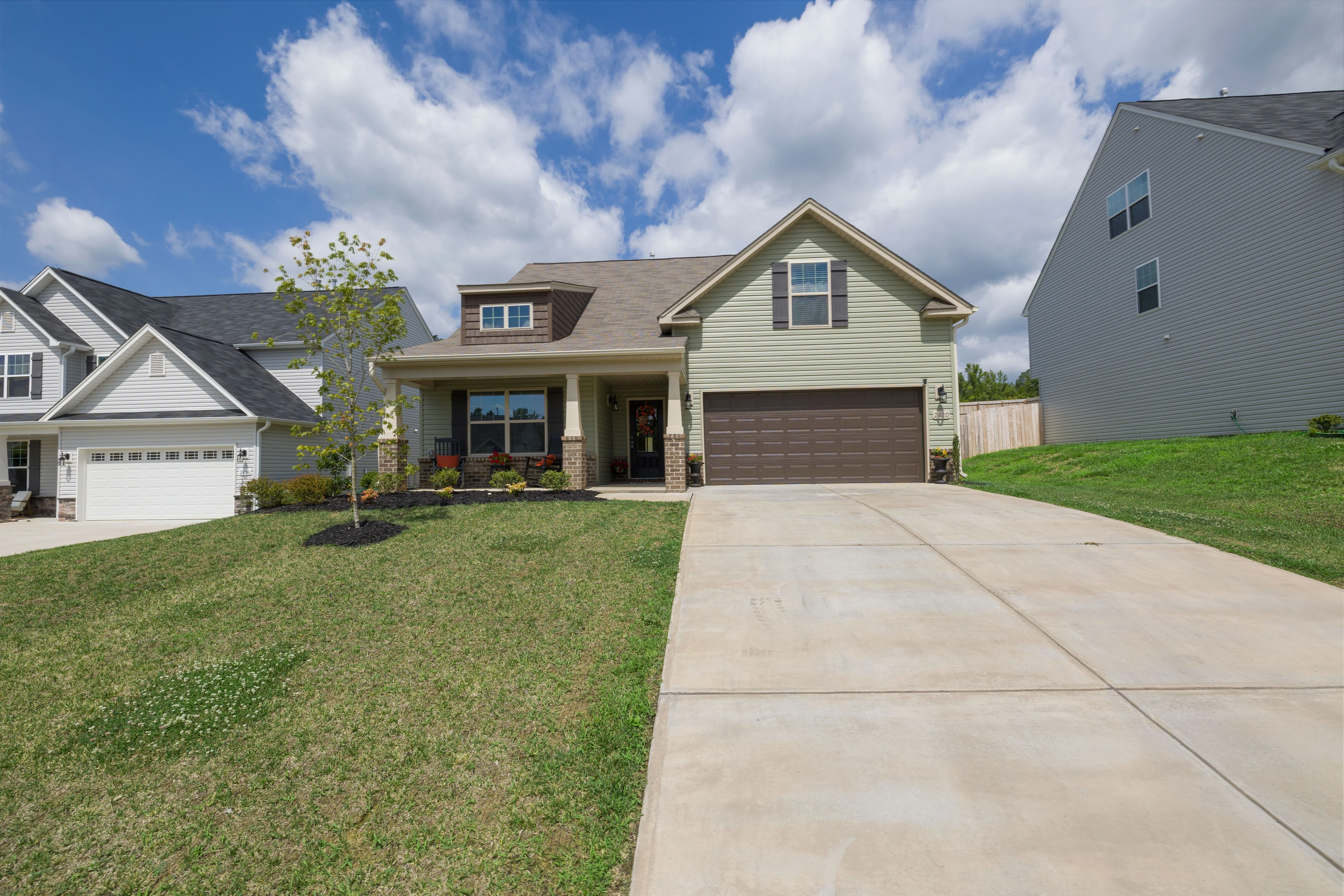
Elmwood Park's housing centers on 1956, a good two decades earlier than the median across the wider Schaumburg service area, which sits closer to 1977. That gap matters more than it sounds. A door installed when a block went up in the mid-1950s was built around different hardware than one installed in the 1970s: extension springs mounted along the horizontal track rather than a torsion bar over the header, lighter steel sections, and openers retrofitted later rather than wired in from the start.
With 9,094 households in the area, most of the garages we'd be working on trace back to that same building wave rather than a later one. The area's median household income, $84,121, runs meaningfully below the broader service area's $112,168, which we mention because it shapes the repair-versus-replace call more than any brochure does. On an older door with original hardware, patching a worn part can cost less than swapping the whole unit, and that's often the right answer here even when a newer neighborhood would default to full replacement.
The area
What We Will Not Take On
We work out of Schaumburg, about 16 miles from Elmwood Park, so we don't promise a same-day emergency window the way a shop with a depot inside the area could. If your spring snaps at 6am and you need someone on-site in twenty minutes, we're not that call. We also won't quote a repair sight unseen on a door we haven't looked at, especially on original 1950s-era hardware where the parts on hand may not match what's actually installed once the panel comes off.
And if a door's frame or opening has shifted with the house's settling over seventy years, that's a carpentry problem before it's a garage door problem, and we'll say so rather than force a door into an opening it doesn't fit. None of this is a knock on the area. It's just an honest line between what a traveling crew can responsibly commit to and what needs someone standing in front of the door first.
What we find
The Usual Work Here
Given the 1956 median build year, the calls we expect most from this area involve extension-spring systems rather than torsion springs, worn or seized pulleys on the older track-mounted setups, and openers that were added as a retrofit and now sit on a bracket that's not quite square to the door anymore. Panels on doors from that era tend to be heavier gauge steel than what's sold today, which is good news for dent resistance and bad news for anyone trying to lift one by hand once a spring goes.
The COLD moderate climate this area sits in means winter is the season these older seals and hardware show their age fastest, with hardened lubricant and stiff cables being common complaints once temperatures drop. We don't see much call for the newer high-cycle torsion counterbalance work that dominates on 1970s-and-later stock, because that hardware mostly isn't what's on these houses.
How we work
How That Shows Up in the Door
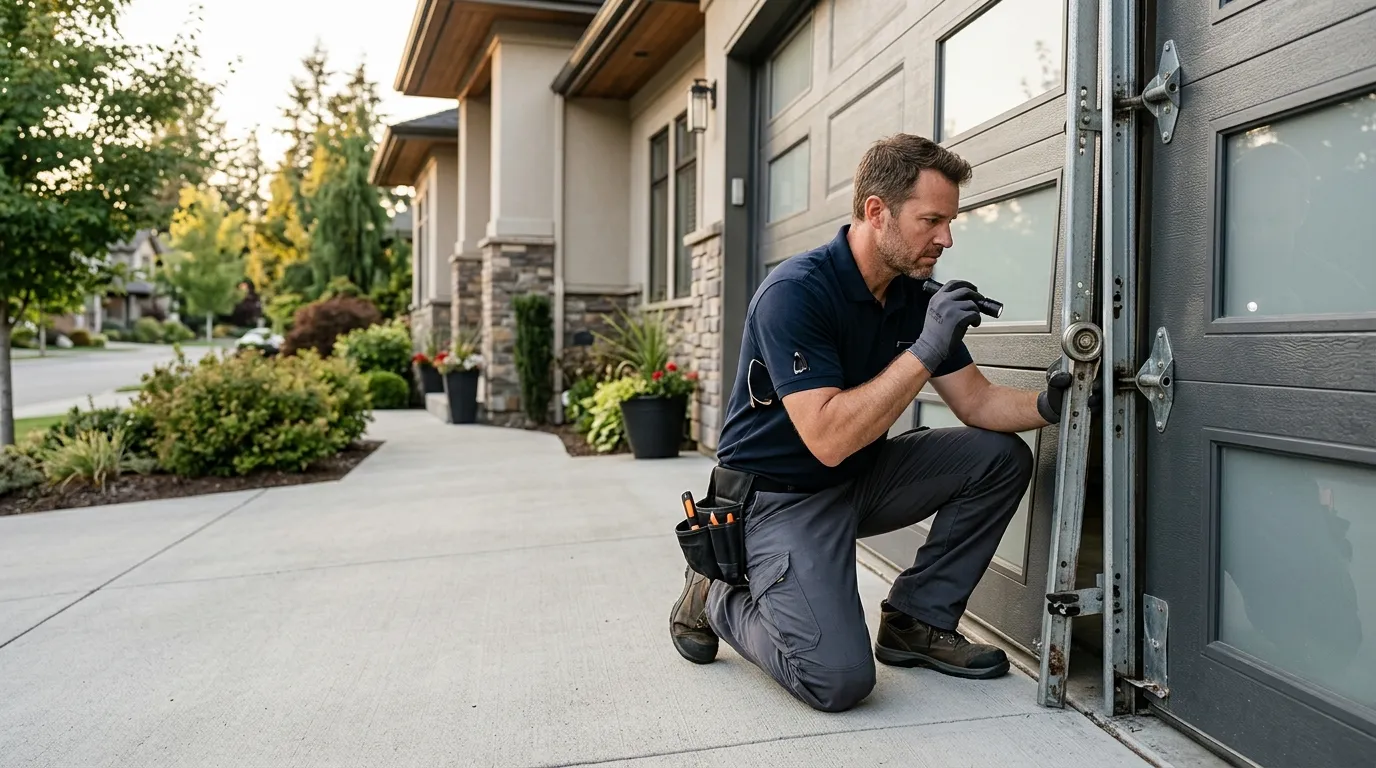
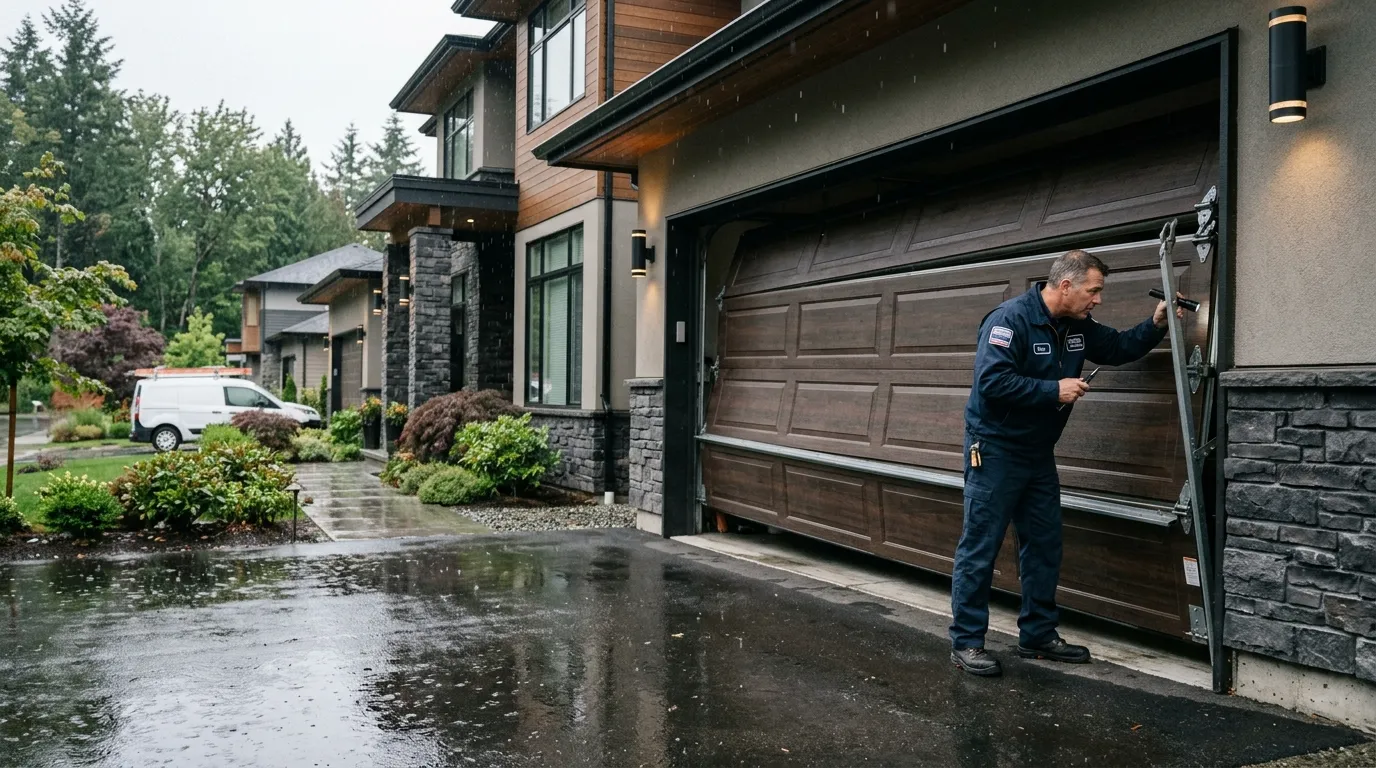
In practice, an Elmwood Park service call is more likely to start with a stuck or noisy extension-spring door than a broken torsion cable, and more likely to involve sourcing a part that matches older hardware than swapping in a current stock item outright. We check the track alignment and pulley wear first on these doors, since that's where age tends to show before the spring itself gives out. If the opener was added after the original build, we also check whether the bracket and header are still carrying that load the way they should, since a retrofit that was fine for years can start pulling loose once the wood around it dries and shrinks with age.
This isn't a dramatic difference, but it changes what we bring on the truck and what we look at first. We'd rather diagnose the door as it was actually built than assume it matches a newer standard just because that's what most calls look like elsewhere in the coverage area.
Service areas
Other areas we cover near Elmwood Park
Questions
Common questions
Do you have a shop or depot in Elmwood Park?
No. We work out of Schaumburg, about 16 miles away, and travel in for calls. We don't stock a local depot in Elmwood Park, so we can't promise the immediate on-site response a shop based in the area could offer.
Why does my house's age matter for a garage door repair?
Elmwood Park's housing centers on 1956, which usually means extension-spring hardware and lighter panel steel rather than the torsion systems common in houses built after the 1970s. Repairs and parts differ between the two, so knowing the house's era changes what we bring and what we check first.
Is it worth repairing an older door instead of replacing it?
Often, yes. On original hardware from the 1950s, a worn pulley or cable can be fixed for less than a full replacement costs, and the area's median household income of $84,121 makes that math matter more than it might elsewhere. We'll tell you honestly when repair stops making sense.
What kind of garage door problems are common in this area?
Given the older housing stock, we see more extension-spring wear, seized track pulleys, and retrofit opener brackets pulling loose than we do modern torsion-spring failures. Cold-weather stiffening of seals and cables is also common given the area's cold moderate climate.
Ready when you are
Need a garage door sorted in Schaumburg?
Schaumburg Garage Door Pros repairs and installs garage doors, springs and openers in Schaumburg, IL and the surrounding area.