
Guide
When Repair Stops Making Sense for a Schaumburg Garage Door
A look at when a Schaumburg garage door repair stops making sense, based on the area's 1960s-70s housing stock and cold-moderate climate.
Local detail
How Local Conditions Play In
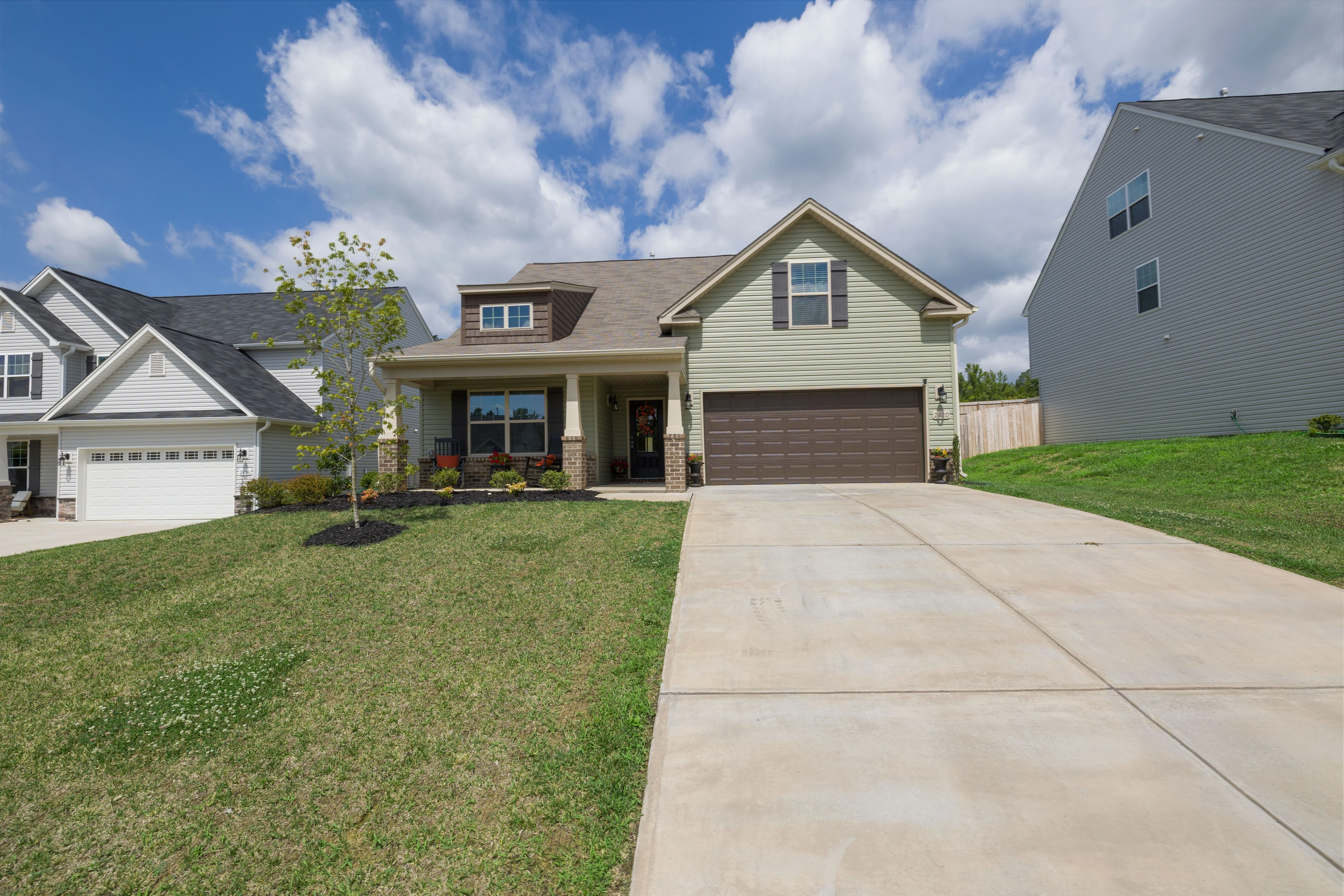
Schaumburg sits in a cold-moderate climate band, and that shapes how hard a garage door works over its life. Repeated winter freeze-thaw cycles put extra strain on torsion springs, cables, and rollers, especially on doors that have gone years without a rebalance. Housing here was built mostly between 1938 and 2009, with a median build year of 1977, and the bulk of that stock dates to the 1960s and 70s. That means a lot of doors on the road today are still running original spring sets and hardware from that era.
A spring rated for a set number of cycles wears the same wherever it sits, but on a door this old, sitting through decades of Illinois winters, it's usually further along in that wear than the owner realizes. Cold makes steel brittle and grease stiff, so a spring or cable that's marginal in July can snap in January. If your door is from that original wave of construction and has never had the torsion springs replaced, you're not looking at a minor fix - you're looking at hardware that's outlived its design life and is one cold morning from failing.

The area
What to Look At First
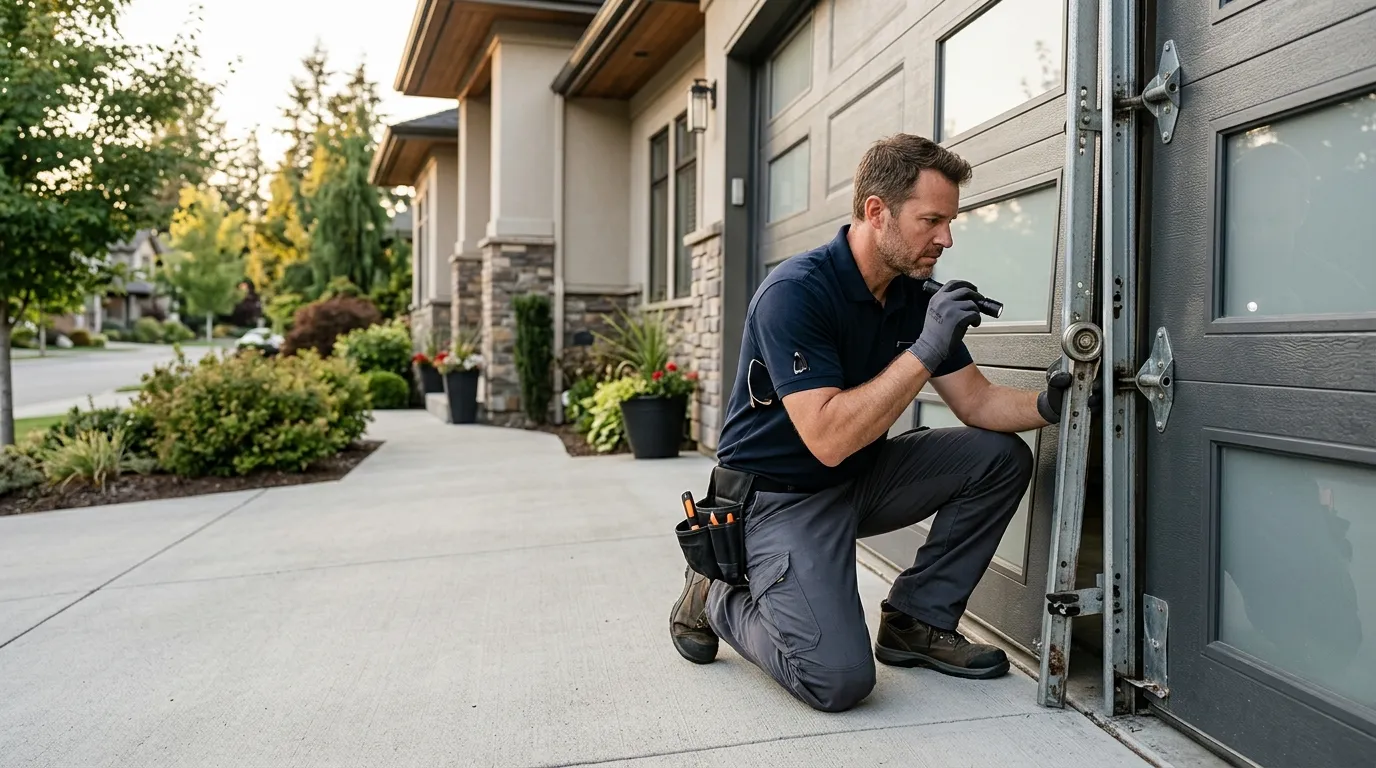
Before you decide whether to keep patching a door or replace it, look at four things. First, the torsion spring gap - if you can fit more than an inch between coils when the door is down, it's stretched past useful life. Second, the track: rust pitting or bends near the rollers means the door is riding rough even if it still opens. Third, the cables - fraying strands near the drum are a sign the whole cable, not just a section, needs to go.
Fourth, check whether the panels themselves are original to a house built in that 1960s-70s wave; steel panels from that period often have thinner gauge steel and less insulation than anything made now, and a dent that seems cosmetic can actually be a structural soft spot. None of this requires tools you don't already own - a flashlight and a look at the spring, track, and cable will tell you more than most people expect. If two or more of these are showing wear at the same time, you're not dealing with one repair, you're dealing with a system reaching the end of its run together.
What we find
The Situation
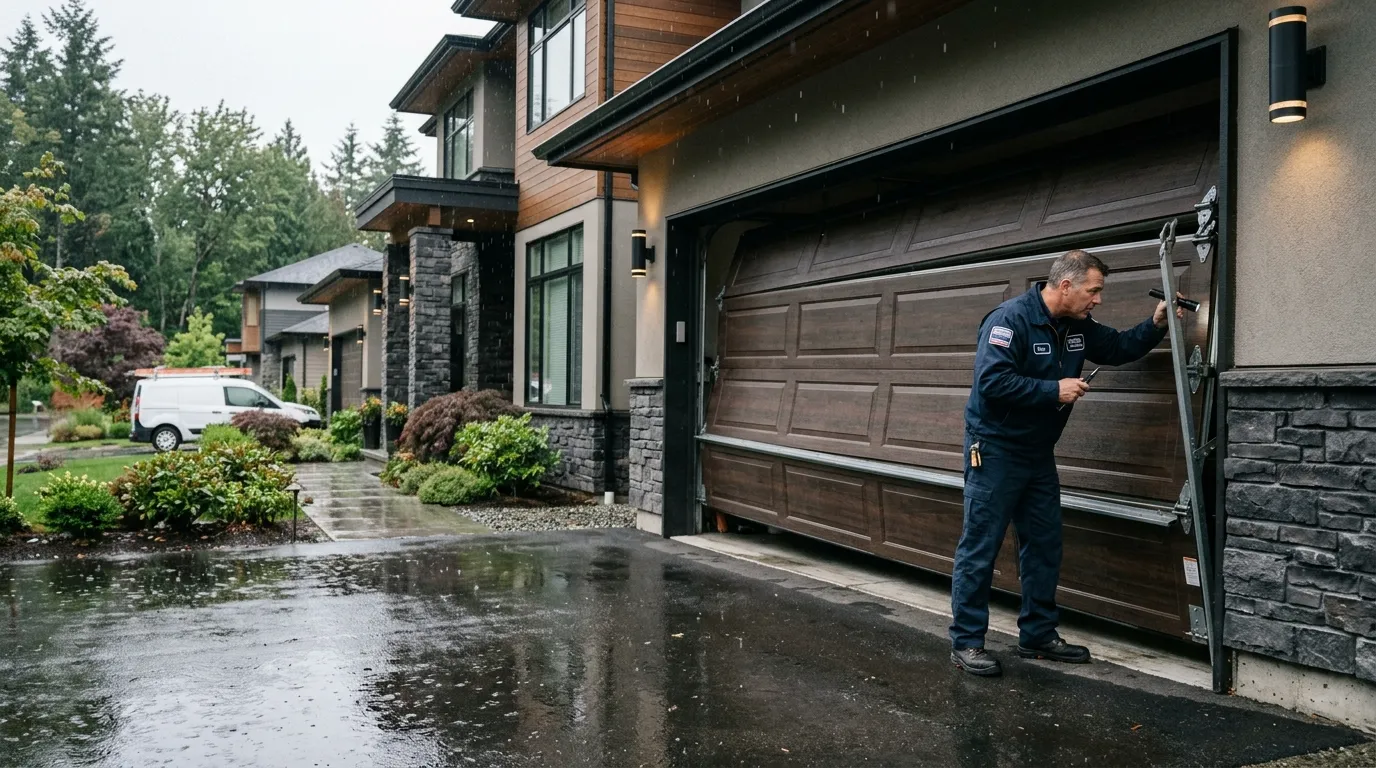
Most calls we get on older Schaumburg homes aren't about one broken part - they're about a door that's failing in more than one place at once, which is what you'd expect from hardware installed during that mid-century construction wave and never touched since. A single snapped spring on a door that's otherwise sound is a straightforward repair. A door with a worn spring, a pitted track, and an opener that's also original is a different conversation, because fixing one piece just shifts the load onto the next weak point.
The math tips toward replacement once you're stacking repairs on a door base that's already 40 to 50 years old, especially heading into another cold season here. We don't push replacement on a door that just needs a spring and a tune-up - plenty of doors from that era are still solid and worth keeping running. But once the track, cables, and panels are all showing age at the same time, further repair is money into a door that's already given you most of what it has.
How we work
What It Costs
We don't quote a number here because it depends on what's actually wrong, and giving a flat figure for a torsion spring swap versus a full door replacement would be guessing. What we can tell you is how to think about it: a single-part repair is worth doing when the rest of the door is sound. Once you're replacing springs, cables, and a track section within the same year, the labor for each visit starts to add up toward what a new door costs installed.
With household income in this area at a median of $112,168, a lot of owners we talk to decide that once a door needs a second or third repair trip in a couple of years, they'd rather put that money toward a new door with a warranty than keep feeding an old one. That's a household decision, not something we make for you - we'll tell you plainly if what you've got is worth fixing or not before we start work.
Questions
Common questions
How do I know if my garage door is too old to keep repairing?
Check the spring gap, the track for rust or bends, and the cables for fraying. If two or more of these show wear at once on a door from the 1960s-70s construction wave common here, you're likely looking at a system failing together, not one bad part - that's the point where replacement usually costs less over time than repeated repair calls.
Does winter weather actually affect how long a garage door lasts here?
Yes. The freeze-thaw cycling typical of this climate band stiffens grease and makes steel springs and cables more brittle. A spring that's marginal in warmer months is more likely to fail on a cold morning, which is why older, original hardware tends to show its age here in winter first.
Is it ever not worth fixing a garage door at all?
When the panels are original to a house built decades ago and the track, springs, and cables are all worn at the same time, patching one part just shifts strain to the next weak point. At that stage, further repair on that door usually isn't worth it - replacement holds up better and comes with a warranty.
Ready when you are
Need a garage door sorted in Schaumburg?
Schaumburg Garage Door Pros repairs and installs garage doors, springs and openers in Schaumburg, IL and the surrounding area.