
Glencoe, Schaumburg IL
Garage Door Service for Glencoe, 18 Miles Out
Garage door repair for Glencoe's 1955-era housing stock, serving 18 miles out from Schaumburg. Torsion springs, panels, and openers on original mid-century hardware.
Local detail
The Houses Here
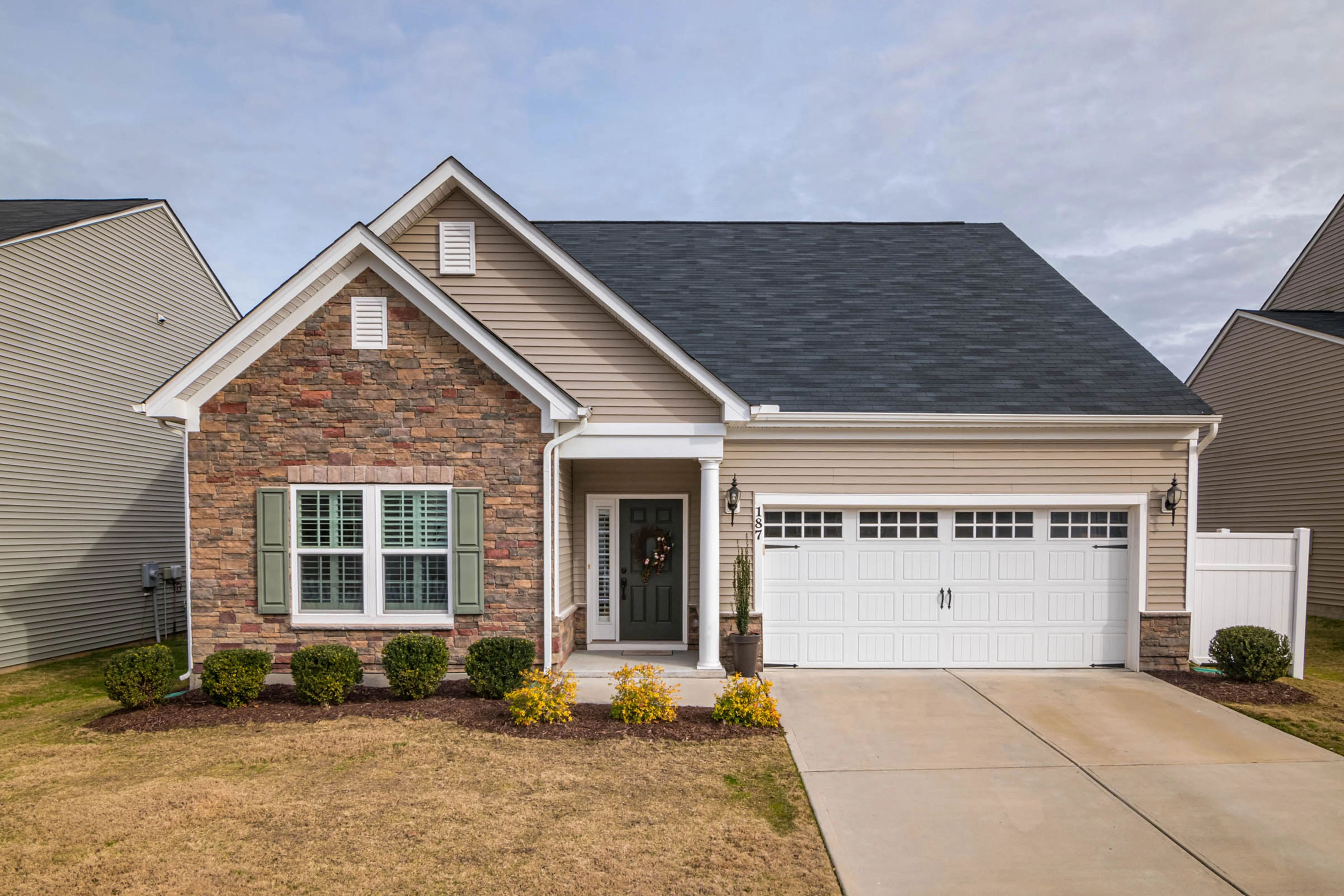
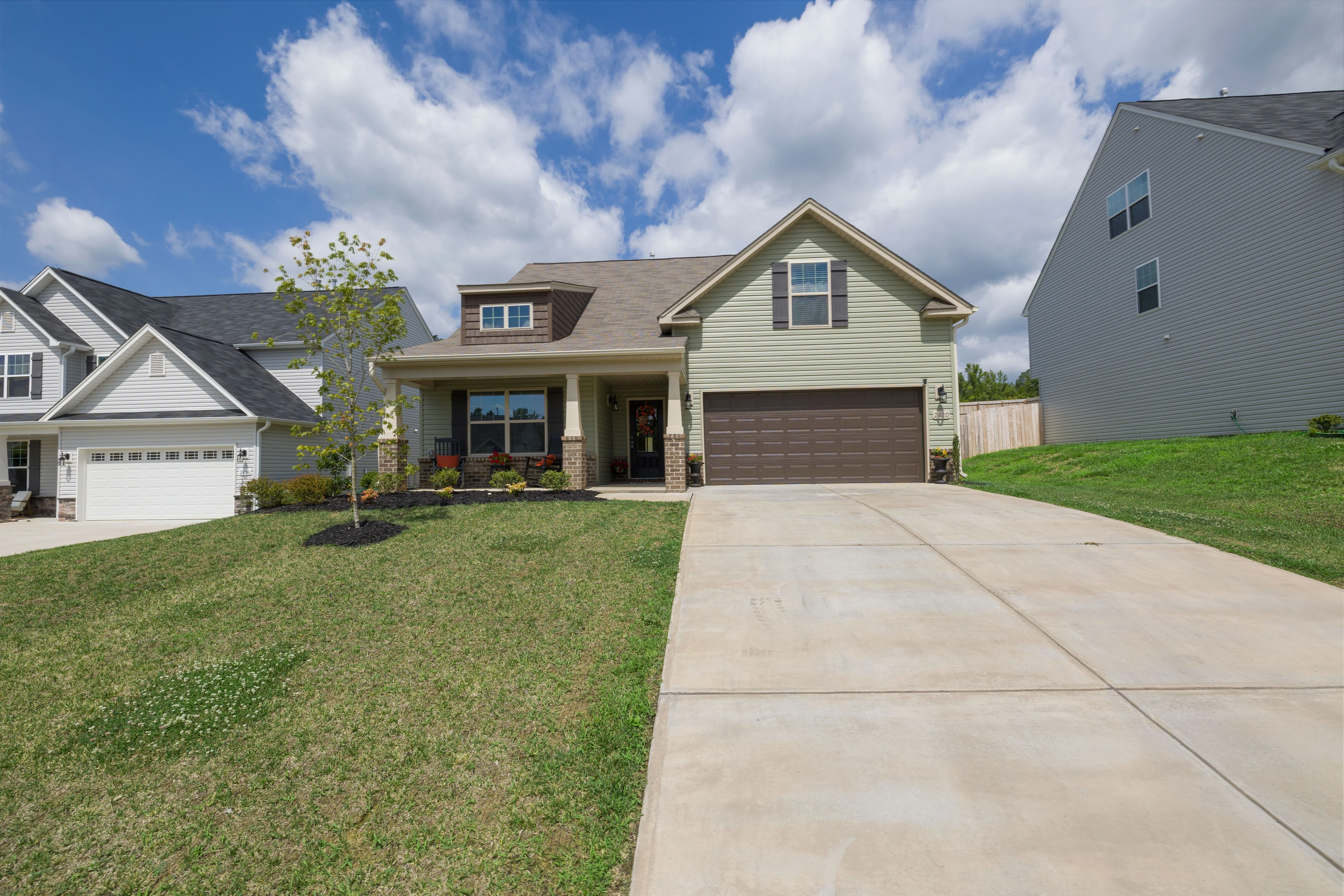
Glencoe's housing stock centers on 1955, a generation earlier than the median build year across the rest of our territory, which runs closer to 1977. That gap matters more than it sounds like it should. A door built into a 1955 house was probably a wood panel door on exposed torsion springs, hung with hardware nobody has manufactured in decades. By the time most of the rest of our service area was being built out in the 1960s and 70s, garage doors had already shifted to lighter steel sections and different spring mounts. Houses here skipped that generation, or got it retrofitted later, badly.
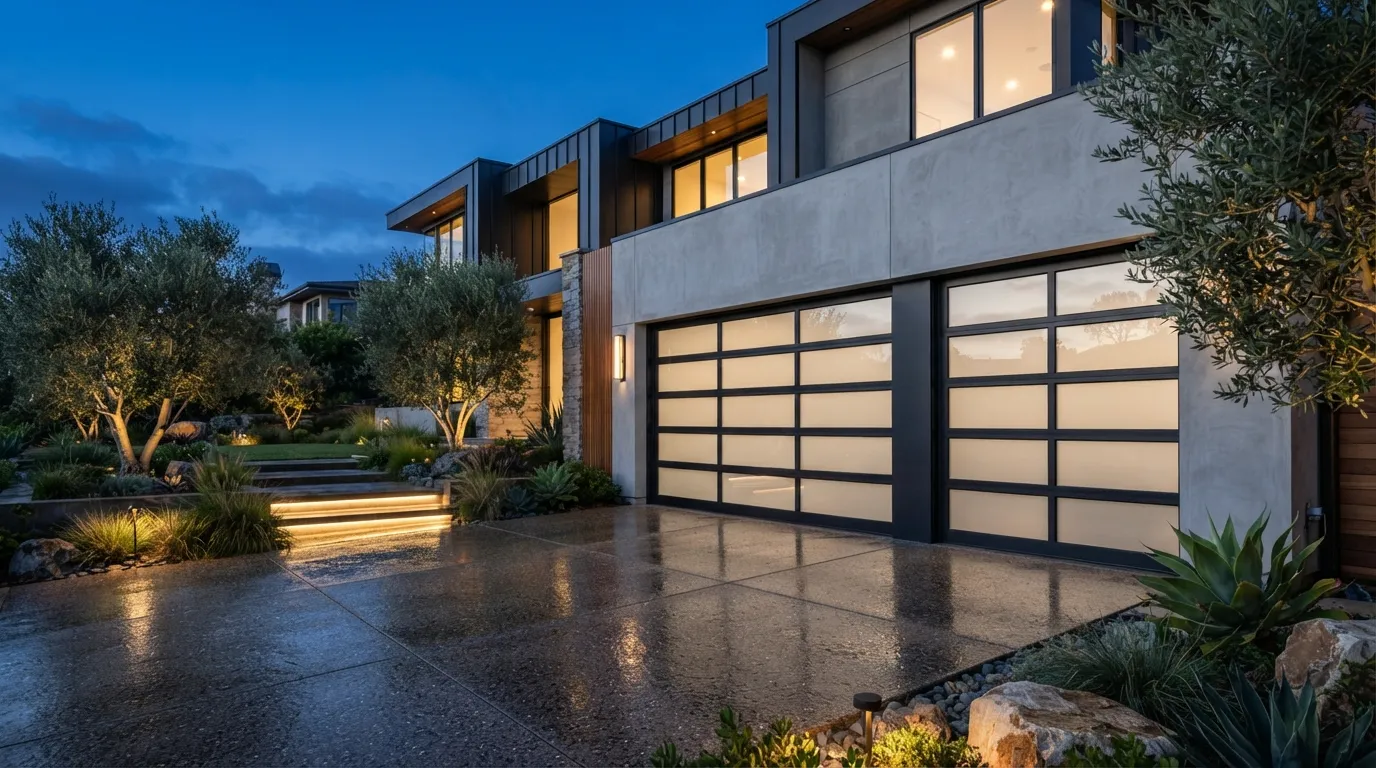
With roughly 3,033 households and a median income above $250,000, a lot of these houses have had at least one major renovation, and a lot of garages have not been touched since. We see original jamb hardware next to a brand-new opener somebody bolted on top of it. We see steel replacement doors hung on 1950s track that was never resized to match. None of this is unusual for a house this old. It just means the fix in Glencoe is rarely the same fix we'd run in a house built twenty years later.
The area
What We Will Not Take On
We're honest about what a trip like this can cover. Glencoe sits about 18 miles from our shop in Schaumburg, and we don't keep a depot or a crew stationed out here. That means we schedule the work, we don't drop everything for a same-day emergency the way we might closer to home. If your spring breaks on a Friday afternoon and you need someone in the driveway within the hour, we're not going to pretend that's realistic at this distance.
We also won't try to force a repair onto hardware that's past saving just to avoid a bigger job. On a house this old, sometimes the track, the jambs, and the spring anchor are all original and all worn past the point where patching one part makes sense. We'd rather tell you the door needs a real replacement than sell you a repair that fails again in six months. And custom fabrication or matching a discontinued wood panel exactly isn't something we do on-site - that's a specialty job, not a service call.
What we find
The Usual Work Here
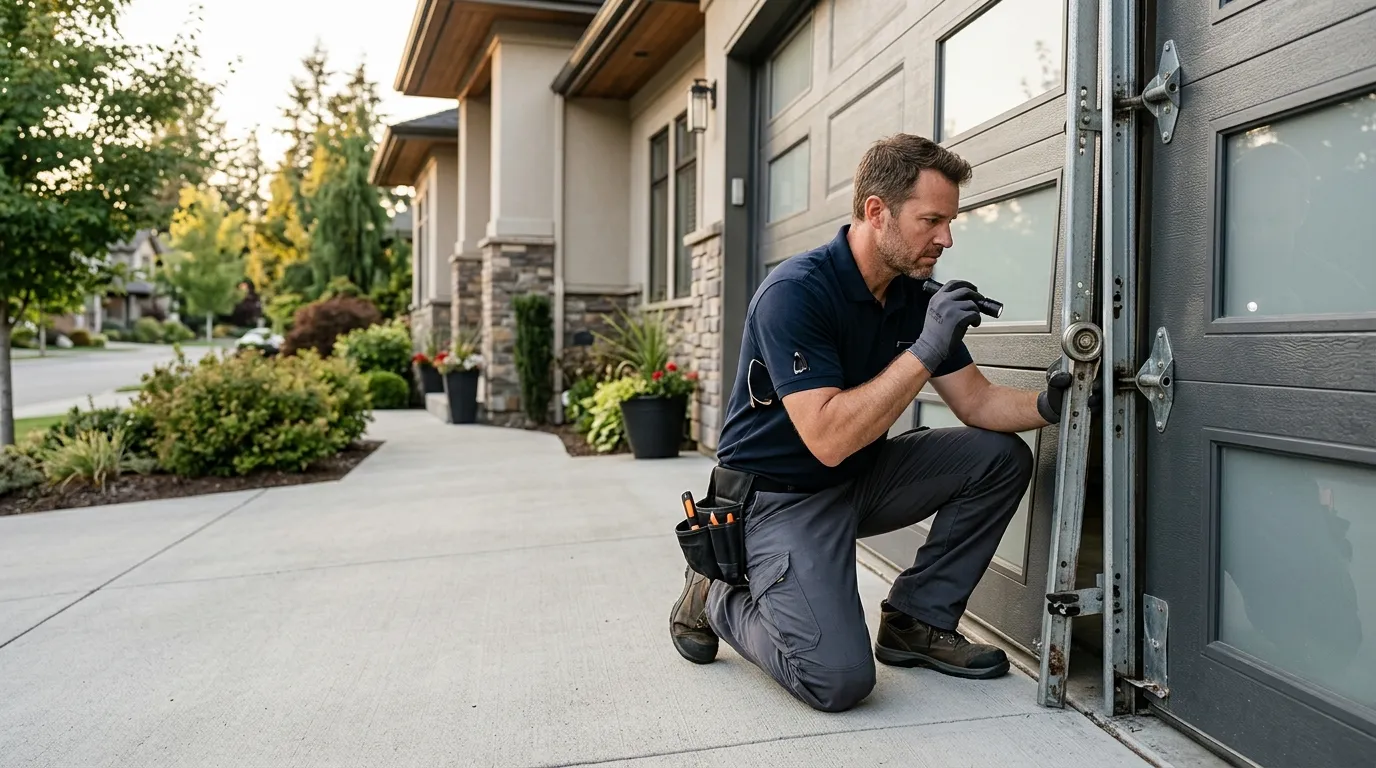
Given a median build year of 1955, the calls we get from this area follow a pattern. Torsion springs on original-width shafts, sized for doors heavier than what's typically installed today, wear out and need a spring rated to match the actual door, not a generic replacement. Wood panel doors that have been painted over a dozen times start to swell and bind in the track, especially with the cold winters this climate band brings - moisture gets into old wood in ways it never gets into steel.
Opener retrofits are common too. A lot of these garages had an opener added decades after the house was built, mounted to framing that wasn't planned for it, and the bracket work shows it. We also see cable and pulley setups that predate the sealed-bearing rollers most newer doors use, which means more frequent adjustment and more wear on the drum. None of this is exotic work, but it's different work than we'd do on a 1970s tract house, and it takes longer to diagnose because the hardware doesn't match what's on the truck by default.
How we work
How That Shows Up in the Door
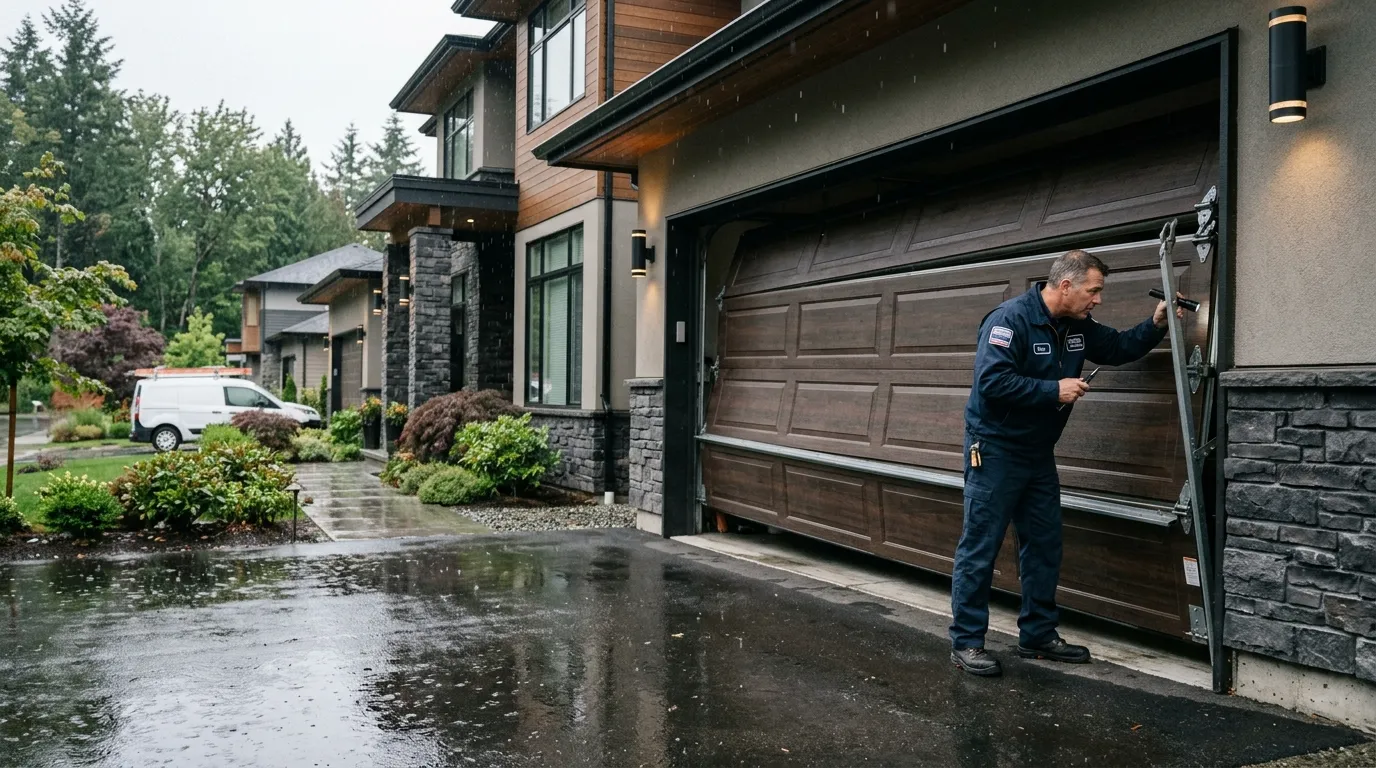
On a house built around 1955, the first sign of trouble is usually the door dropping unevenly on one side when you open it, which points to a stretched or corroded cable rather than a simple spring issue. Old torsion springs on original shafts tend to fail without much warning, and because the shaft diameter is often different from what's sold in stores today, matching it right takes measuring instead of guessing.
Cold weather makes wood panel doors swell at the seams, so a door that closed fine in September can start binding in the track by January. If the opener was added after the house was built, watch for a door that reverses partway through closing - that's often a bracket flexing under load rather than a safety sensor problem. None of these are catastrophic on their own, but on hardware this old, small symptoms tend to be the last warning before something breaks outright, usually the spring or the cable.
Service areas
Other areas we cover near Glencoe
Questions
Common questions
Do you have a crew based near Glencoe?
No. We work out of Schaumburg, about 18 miles away, and travel to Glencoe for scheduled jobs rather than keeping anyone stationed locally. That means we plan the visit rather than treat it as a same-day emergency stop.
Why does my spring keep failing when the neighbor's newer door never has this problem?
Houses in Glencoe run older than most of the rest of our territory, with a median build year around 1955. Original torsion shafts and springs from that era wear differently than the lighter steel setups common in houses built in the 1960s and 70s, and they often need a spring sized specifically for the door's actual weight.
Is it worth repairing a door this old, or should I replace it?
Depends on what's failing. A worn spring or cable on solid track is usually worth fixing. If the jambs, track, and anchor point are all original and worn together, a repair often won't hold, and replacement ends up cheaper over a few years. We'll tell you which situation you're in before we start.
Ready when you are
Need a garage door sorted in Schaumburg?
Schaumburg Garage Door Pros repairs and installs garage doors, springs and openers in Schaumburg, IL and the surrounding area.