Winnetka, Schaumburg IL
Garage Doors on Winnetka's Older Housing Stock
Garage door repair for Winnetka homes built as early as 1938, serviced by trucks from Schaumburg. Older openings, real hardware fixes, no depot in town.
Local detail
The Houses Here
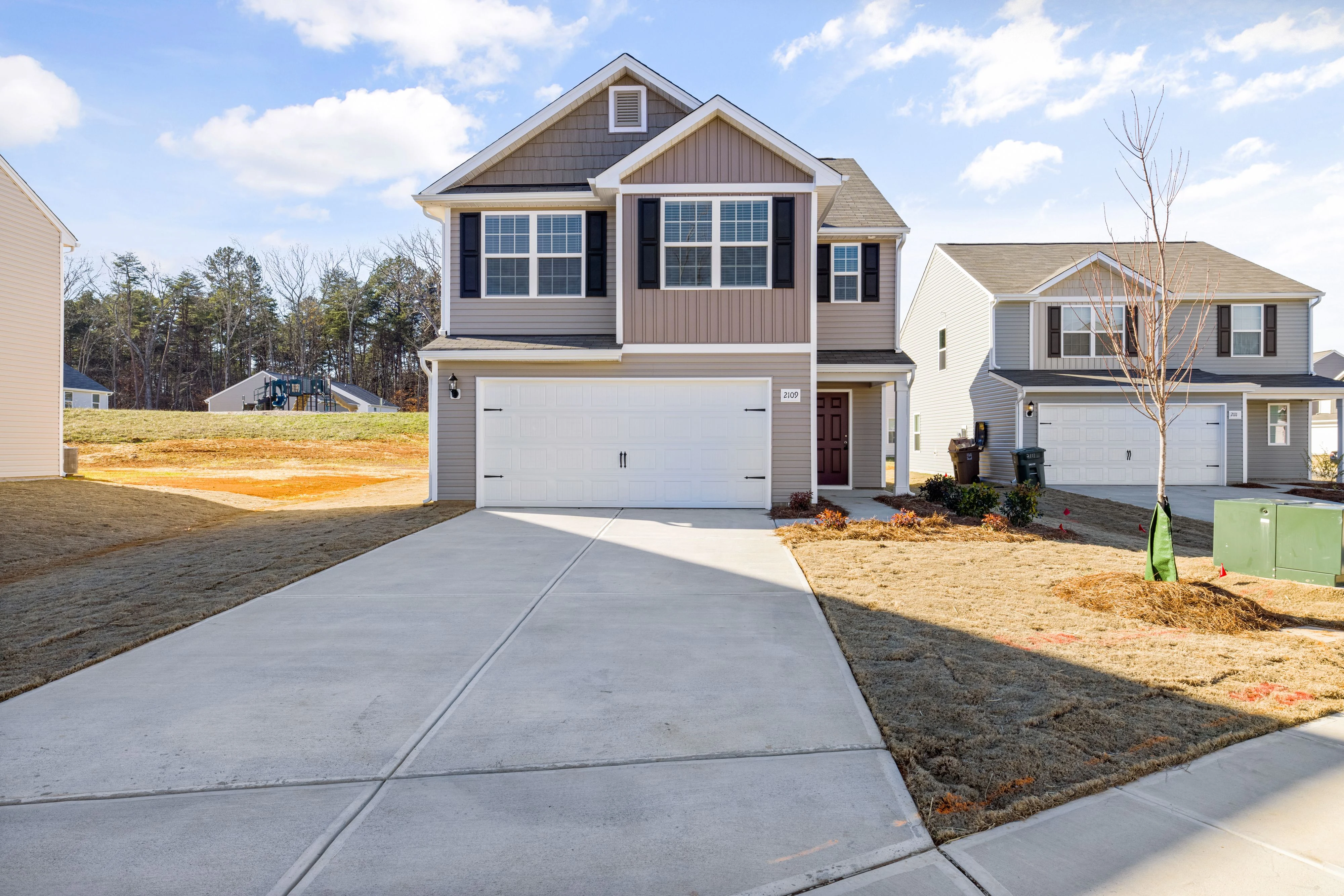
Winnetka's housing stock centers on a median build year of 1938, a full four decades older than the 1977 median across the rest of the service area we cover from Schaumburg. That gap matters more than it sounds. A door built for a 1938 opening was almost never sized for a modern two-car garage - most were single bays, framed for wood doors on simple track, with hardware nobody has manufactured in decades. With around 4,268 households packed into a small, established footprint, Winnetka reads less like the newer subdivisions that make up most of the wider service area and more like a pocket of original construction that's been retrofitted piece by piece over the years.
Some houses have had a full door and opener swap at some point; plenty haven't. When we get a call from this area, we're rarely walking into a door built after the area's 1977 median - we're usually looking at something original, or close to it, with decades of small fixes layered on top. That changes what we bring on the truck and how we quote the job before we've even seen it.
The area
What We Will Not Take On
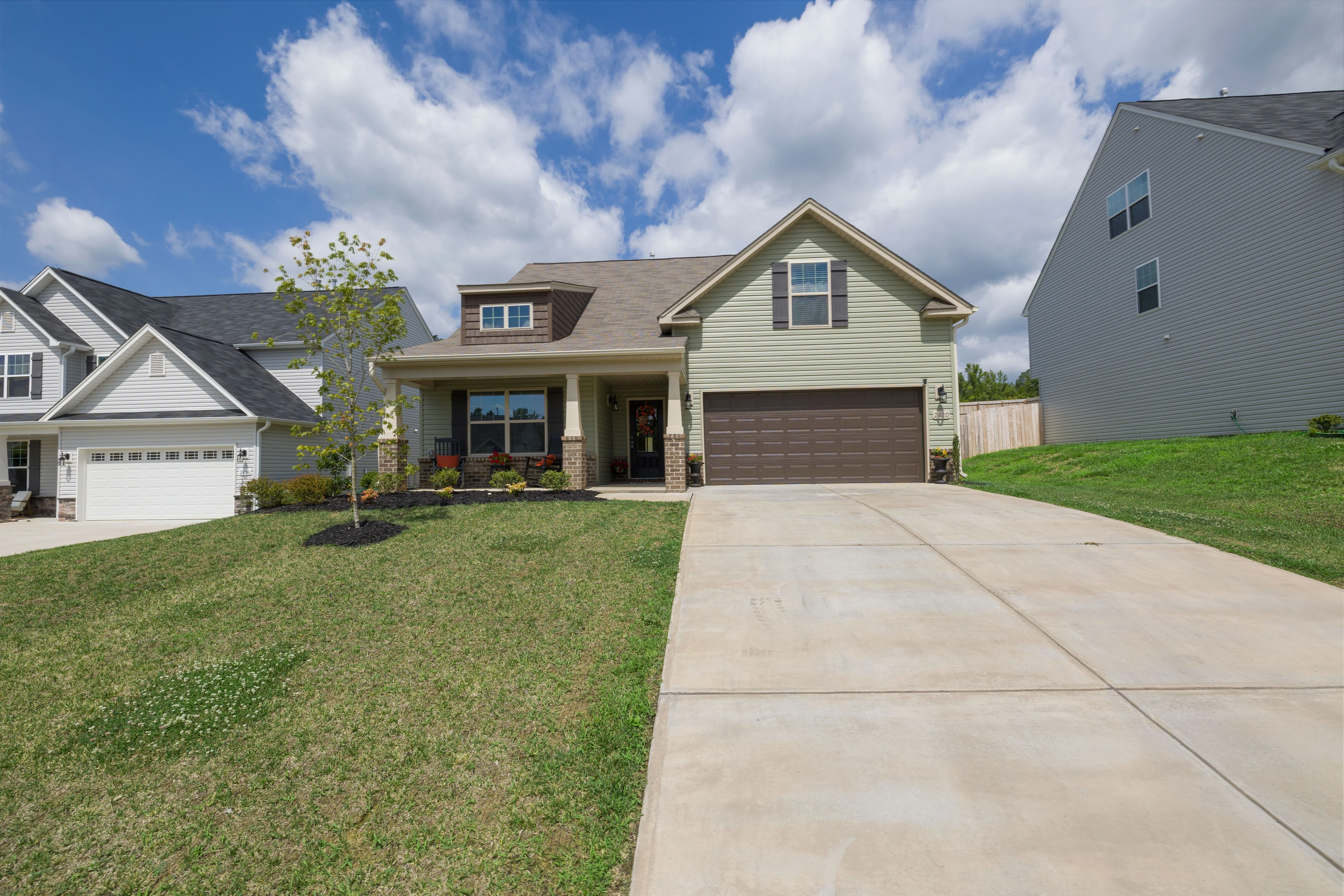
We run out of Schaumburg, about 18 miles from Winnetka, and we're honest about what that means. There's no depot here, no same-day guarantee, and if a job needs a part we don't carry on the truck, it waits for a second trip. Winnetka also sits farther out than most of the towns we cover regularly - Roselle at 3 miles, Bloomingdale at 5, Bartlett at 7 - so scheduling here takes a bit more lead time than a closer call. On the work itself: we don't do historic restoration or custom millwork on original wood doors.
If a 1938-era door has rotted stiles or a frame that's shifted with the house, refinishing it to original spec isn't a repair job, it's a woodworking job, and that's not what we do. In those cases we'll tell you straight that replacement is the honest answer, even if it's not the answer that gets us the call that day. We'd rather lose the estimate than sell a repair that won't hold.
What we find
The Usual Work Here
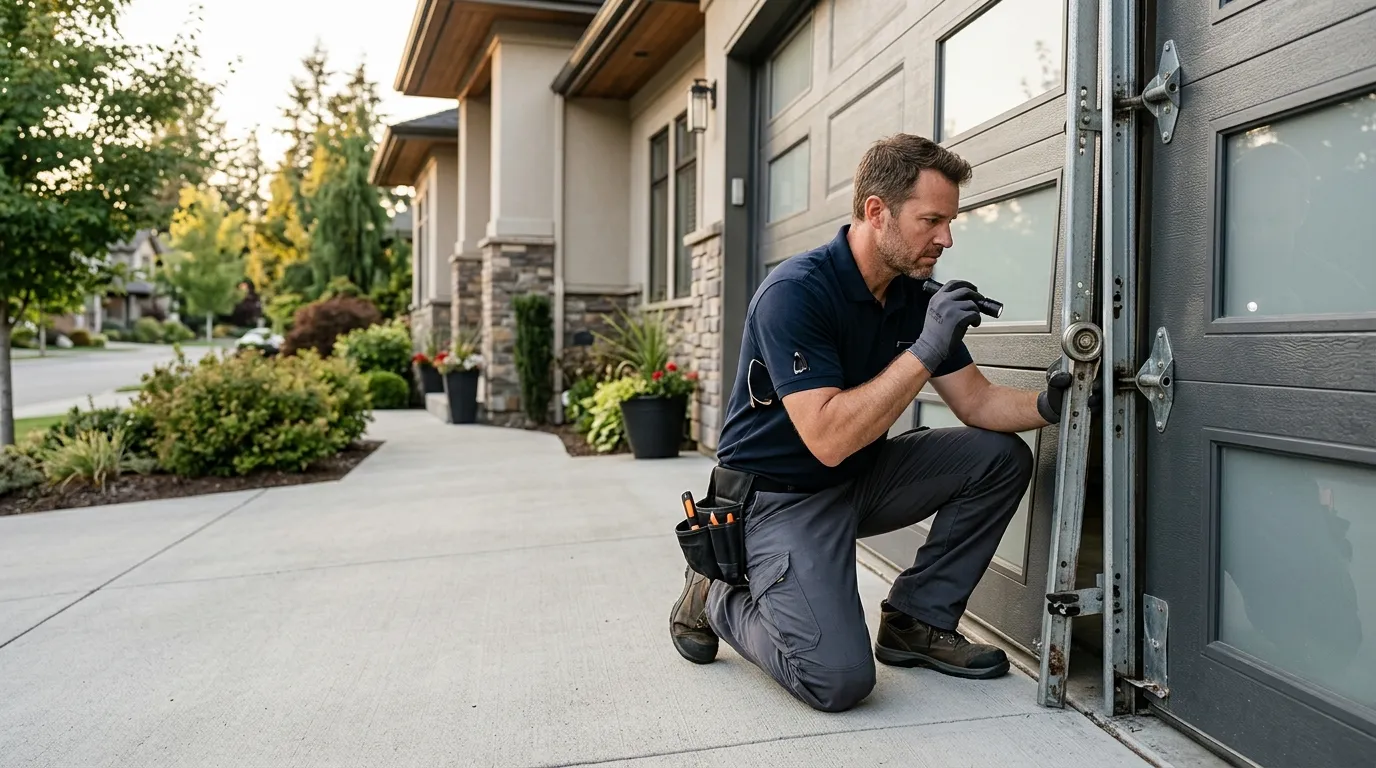
Given the age of the stock, the calls we get from Winnetka skew toward hardware that's simply outlived its design life rather than damage from a single event. Extension springs original to a 1938-1960s install are a common failure - they were sized for the door weight of their era, and when one goes, the door drops unevenly instead of lifting square. Track realignment comes up often too, since original jambs have settled over eighty-plus years and the rail no longer sits exactly true.
We also see a fair number of opener retrofits: doors that were manual for most of their life getting a first-ever automatic opener, which means new brackets, new wiring runs, and sometimes a stronger spring set to handle the added lift cycle. Panel repair on original wood doors shows up less often than on newer steel doors elsewhere in the service area, mostly because wood repair is more involved and homeowners here tend to replace rather than patch once a panel starts going. None of this is glamorous work, but it's what the housing stock actually calls for.
How we work
How That Shows Up in the Door
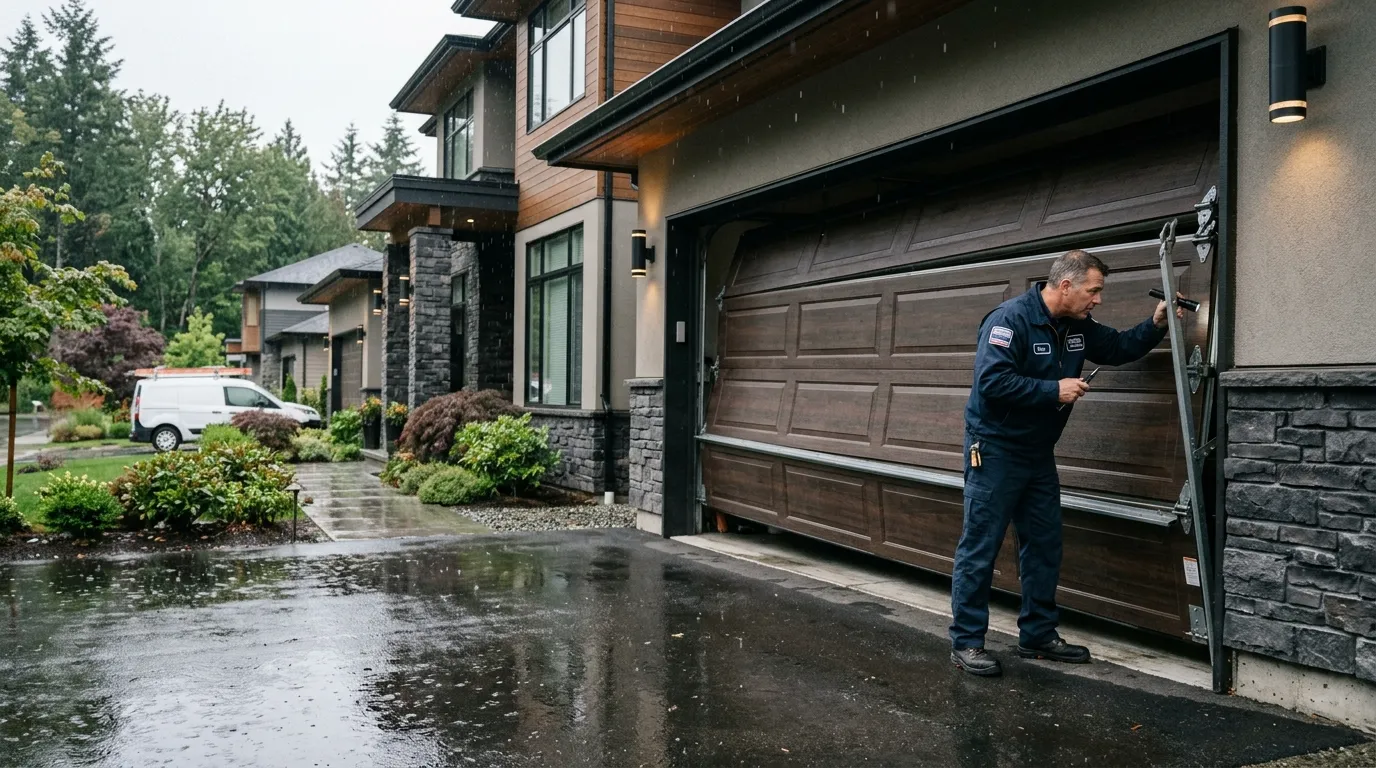
A door built to 1938 spec is heavier per square foot than most doors going up today, and it was almost always paired with a lower spring count than current hardware uses. That mismatch is the root of a lot of the calls we get: a spring rated for the original door sags or snaps under decades of temperature swings, and the door either won't lift past a foot or slams down on the last few inches of travel. Rollers on these older tracks tend to be steel rather than nylon, so you'll hear it before you see it - a grinding or scraping on the way up that gets louder over a season, especially once winter cold stiffens the metal further.
Hinges on original hardware also corrode differently than newer galvanized parts, and a hinge that's seized rather than worn will bind the panel at the same spot every cycle. None of this is dramatic, but it's consistent: age-appropriate hardware failing in age-appropriate ways, not random damage.
Service areas
Other areas we cover near Winnetka
Questions
Common questions
Do you have a location in Winnetka?
No. We run out of Schaumburg, about 18 miles away, and travel out for jobs. There's no local depot, so we're upfront that scheduling here takes a little more lead time than towns closer to our base like Roselle or Bloomingdale.
My garage door is original to a 1930s house - can you fix it?
Usually yes, for hardware like springs, track, and hinges. Where it gets harder is the door panel itself. If the wood has rotted or the frame has shifted with the house, that's restoration work, not repair, and we'll tell you honestly if replacement makes more sense.
Why does my spring keep failing when I only had it replaced a few years ago?
On older doors, the issue is often a mismatch between the spring rating and the door's actual weight, especially if the door was never re-weighed after a panel repair. We check the lift balance, not just swap the part, so it holds.
Will you match the original hardware style on an old door?
We can match function - lift, balance, smooth travel - but we don't source period-specific decorative hardware or do custom millwork. If matching the exact original look matters to you, that's outside what we take on.
Ready when you are
Need a garage door sorted in Schaumburg?
Schaumburg Garage Door Pros repairs and installs garage doors, springs and openers in Schaumburg, IL and the surrounding area.