
Guide
Noises That Mean Something
A grinding, popping, or slapping garage door in Schaumburg usually points to one of a handful of causes tied to the age of the hardware and the cold. Here's how to tell which.
Local detail
How Local Conditions Play In
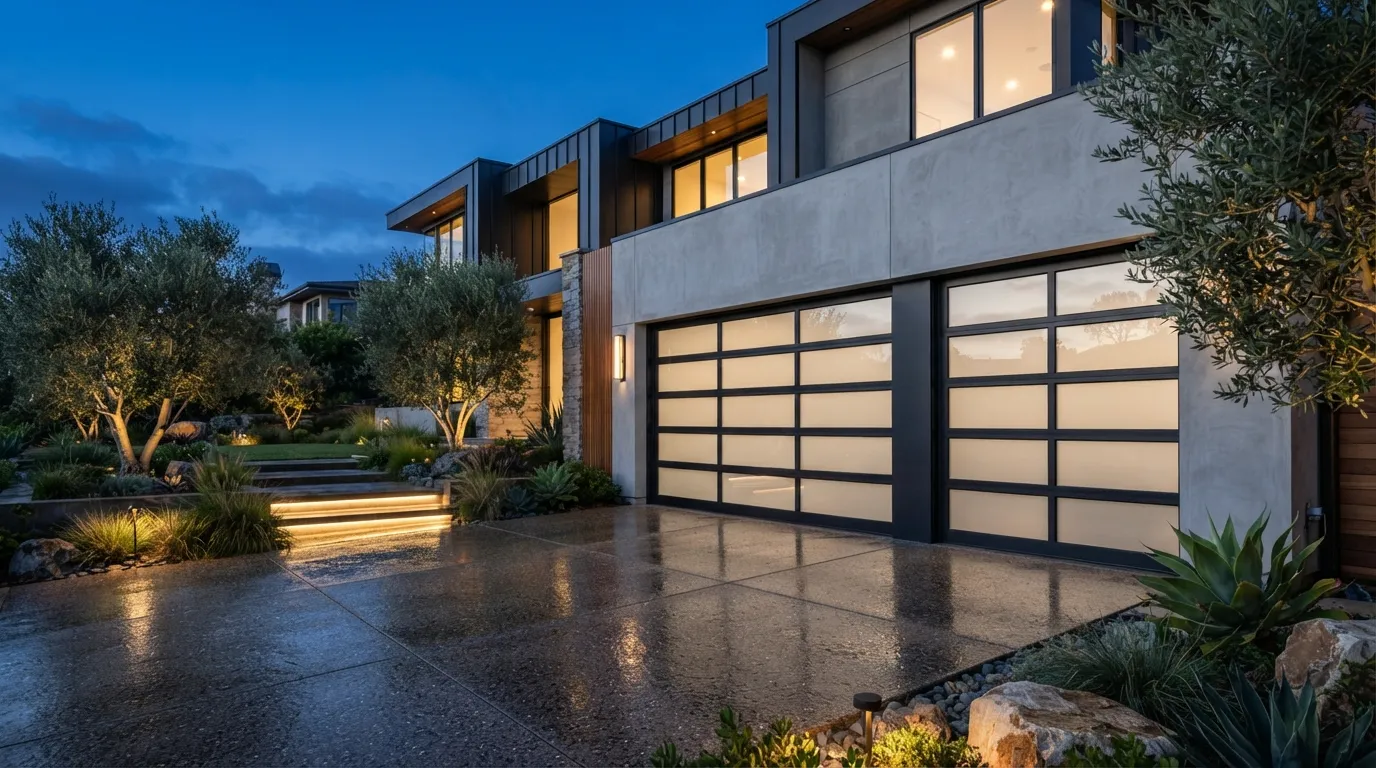
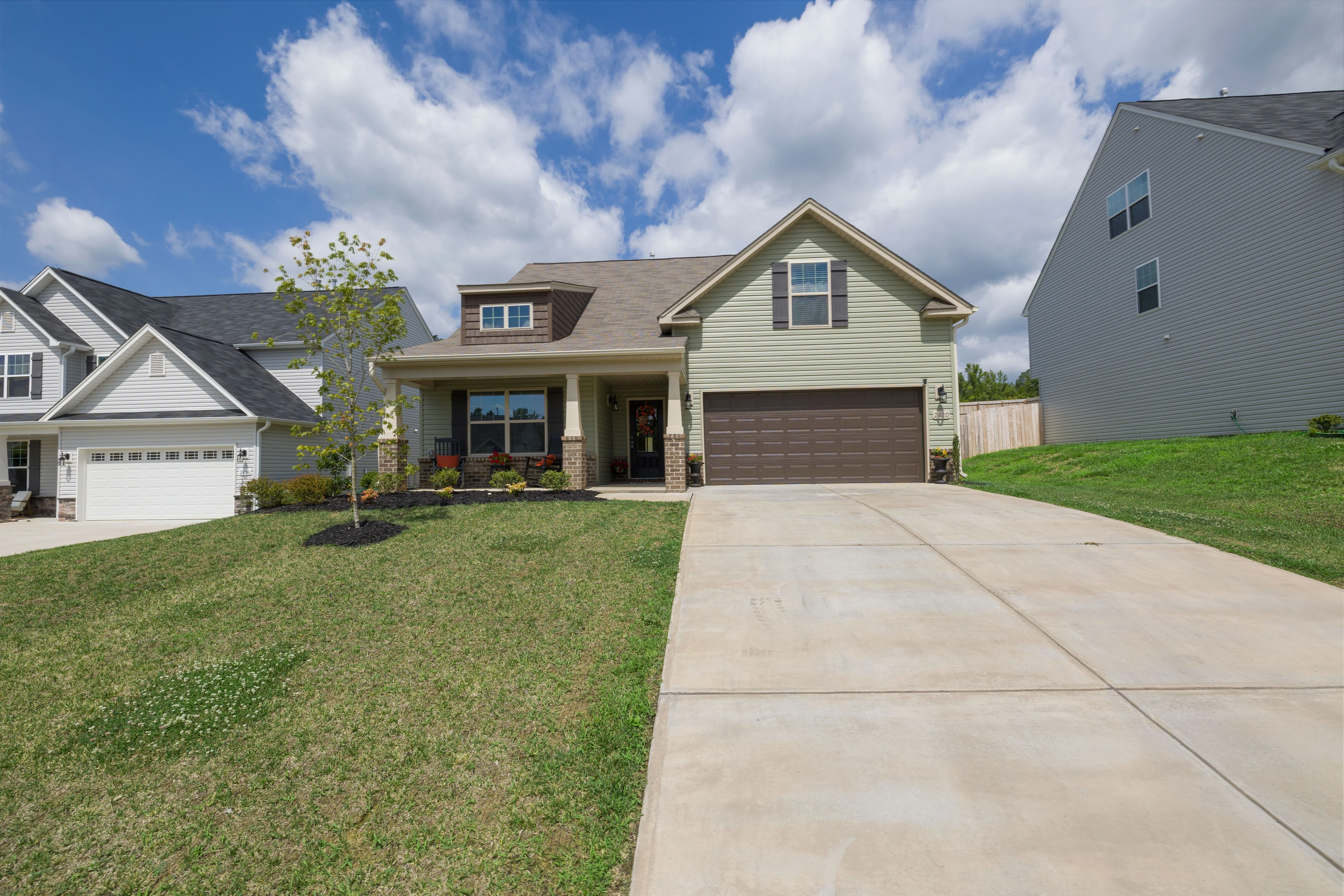
Most of the housing stock around here went up between the 1960s and 70s, with the broader range running 1938 to 2009 and a median build year of 1977. That matters for noise diagnosis because a door built or last replaced in that window is running on hardware that's now 45 to 55 years old even if it looks fine from the driveway. Steel fatigues, lubrication dries out, and fasteners back off slowly over decades - none of that makes noise until it crosses a threshold, and then it makes a lot of it.
Schaumburg sits in a cold, moderate climate band, which means the grease in older rollers and hinges thickens up every winter and loosens every summer. That cycle is what turns a quiet door into a noisy one - not a single failure, but repeated thermal stress on parts that were never rated for fifty freeze-thaw cycles. A door that's been silent for years can start grinding the first cold snap after the grease finally gives out. This is the single biggest reason a noise complaint here in January reads differently than the same complaint in July.
The area
What to Look At First
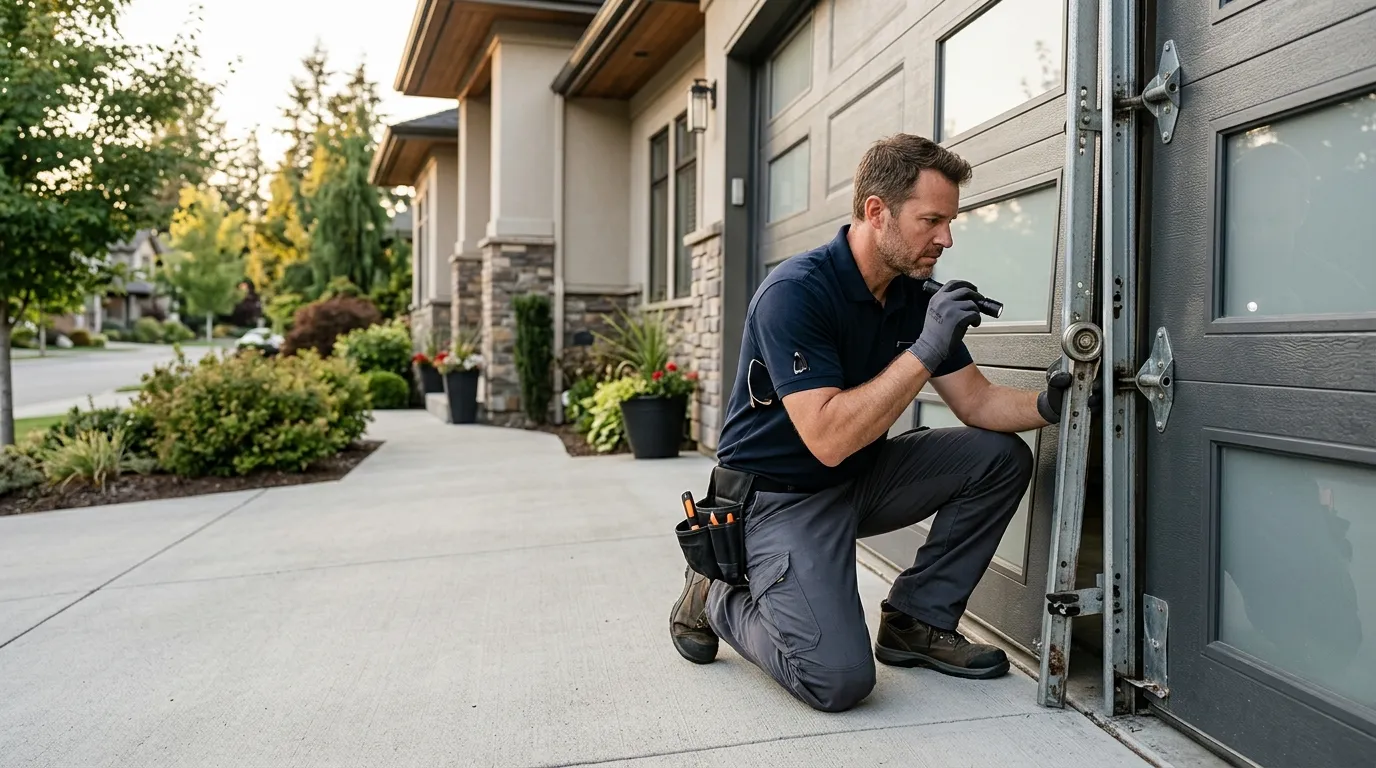
Start with where the noise happens, not just what it sounds like. A metallic scraping near the top of the track usually means a roller that's worn oval instead of round - common on doors from the 1960s-70s stock era that still have steel rollers rather than nylon. A rhythmic thump every few feet as the door travels points to a bent track section or a hinge that's stripped its screw holes, both of which show up more on original hardware that's outlasted its expected life.
A loud bang followed by the door refusing to open is almost always a broken torsion spring - check if the door is unusually heavy to lift by hand, since that's the tell. A high-pitched squeal that gets worse in cold weather is often just dry hinges and rollers, and it's the cheapest of these to fix. Popping or cracking sounds from the wall near the opener bracket can mean the header is flexing, which is more common on the older end of the 1938-2009 range where framing wasn't built with today's heavier insulated doors in mind.
What we find
The Situation
Across the service area there are 525,414 households and 261,093 owner-occupied houses, and a lot of them are sitting on garage door hardware that was installed once and never touched again. Median household income here runs $112,168, which tends to mean homeowners will pay for a proper repair rather than a patch job - but it also means a lot of doors get replaced with upgraded, heavier insulated panels without anyone checking whether the spring and opener were rated for the added weight. That mismatch is its own noise source: an opener straining against a spring that's now undersized will grind and hesitate even though nothing is technically broken.
We won't tell you every noise needs a service call. A door that squeals only right after the first cold morning of the season and then quiets down once it's cycled a few times is just stiff grease waking up - spray a silicone lubricant on the hinges and rollers and move on. Save the call for noises that repeat every cycle or get worse.
How we work
What It Costs
We don't have a published price list to point you to here, so the honest answer is that cost depends on which part is failing and whether the door itself needs to come off the hardware. A worn roller or a dry hinge is a small job. A cracked torsion spring or a bent track is a bigger one, especially on the heavier insulated doors that have become more common as owners in this income range upgrade from older, lighter panels. If the header framing itself is flexing - more likely on houses at the older end of the 1938-2009 build range - that's a carpentry problem before it's a garage door problem, and we'll say so rather than bolt new hardware to a weak frame.
One limitation worth being upfront about: we can diagnose most noises over the phone with a few questions, but we won't quote a repair price sight unseen on anything beyond a lubrication job. Springs and tracks vary too much by door weight and age to guess right.
Questions
Common questions
Why does my garage door only squeal in the winter?
Cold, moderate winters here thicken the grease in rollers and hinges, and a door that's quiet in summer can squeal the first freezing morning as that stiff grease works itself loose. If it quiets down after a few cycles, it's just temperature, not a failing part.
My house was built in the 1970s and the door is original - is that a problem?
A lot of homes in this area date to the 1960s-70s stock era, and original hardware from then is now decades past its expected service life. It's not automatically failing, but steel rollers, old hinges, and original torsion springs are the parts most likely to be the source of new noise.
Is a loud bang always a broken spring?
Usually, yes, especially if the door suddenly feels much heavier to lift by hand afterward. That's the classic sign of a torsion spring letting go. It's not a noise you should keep opening the door through - the cable can come off track under the imbalance.
Ready when you are
Need a garage door sorted in Schaumburg?
Schaumburg Garage Door Pros repairs and installs garage doors, springs and openers in Schaumburg, IL and the surrounding area.