
Geneva, Schaumburg IL
Garage Door Service for Geneva Homes
Serving Geneva's mid-1980s housing stock with steel panel and extension-spring repair, opener service, and replacement from our Schaumburg team, 16 miles out.
Local detail
The Houses Here
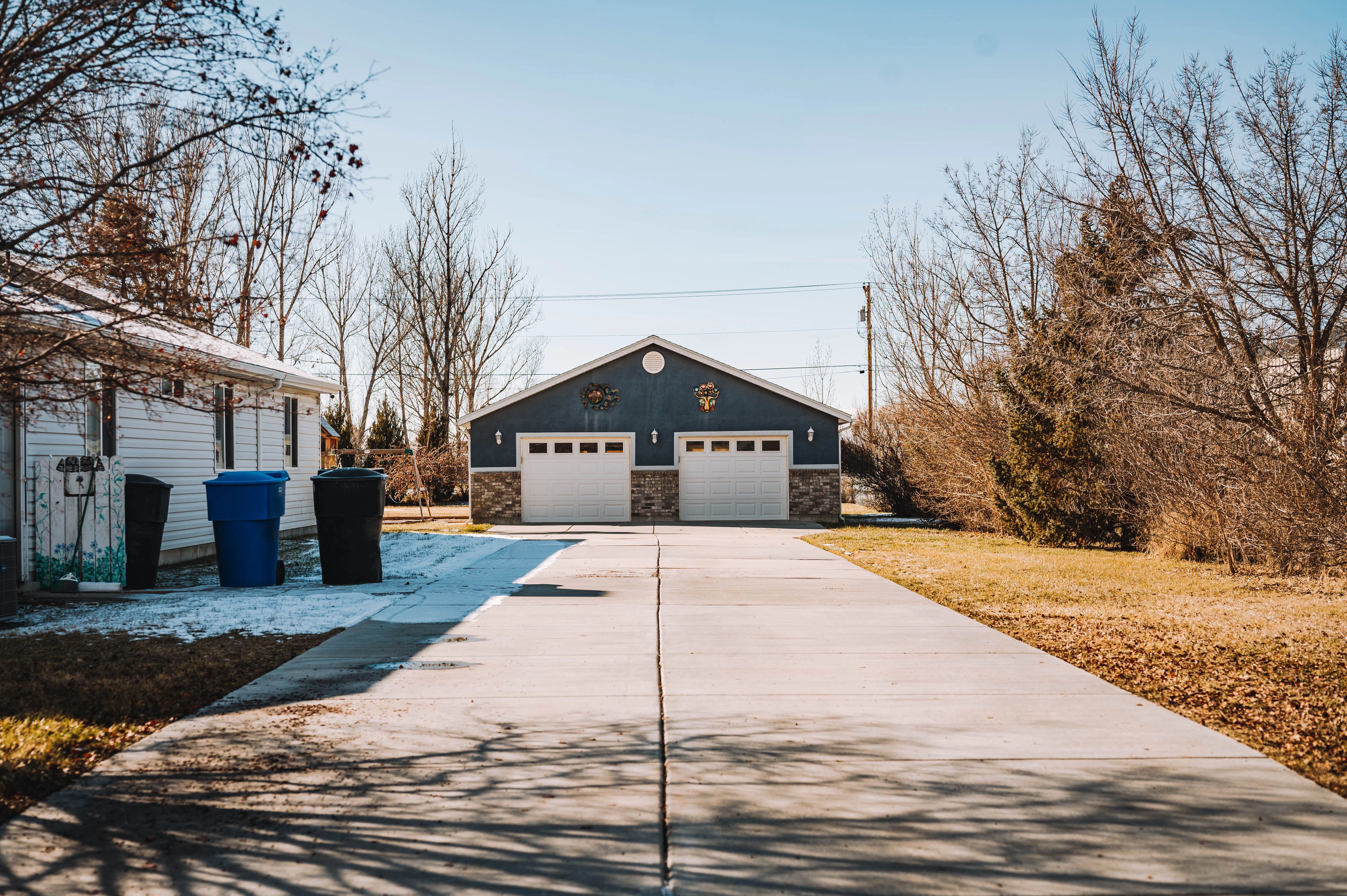
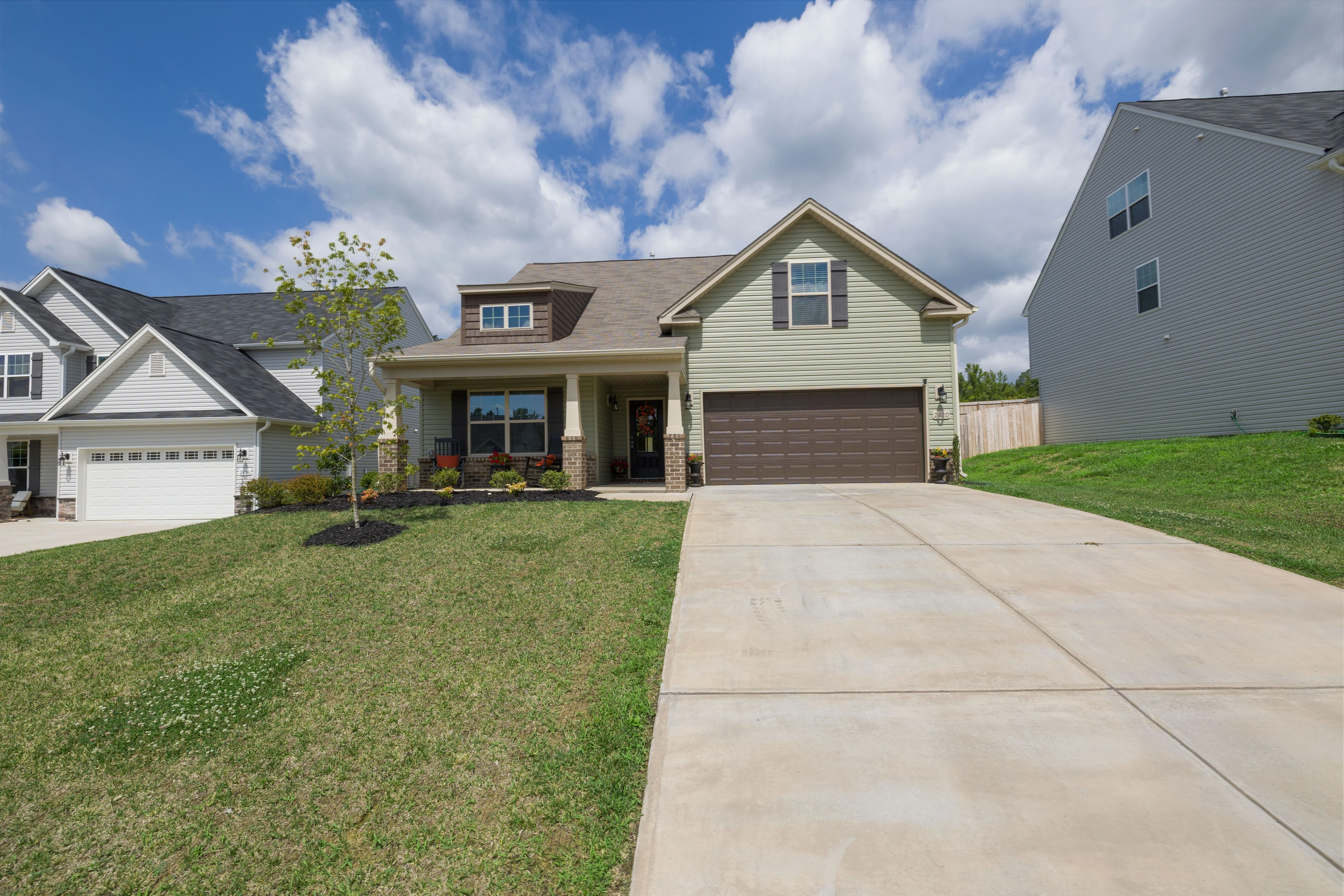
Geneva's housing stock skews newer than most of the rest of our coverage area. The median home here went up around 1986, a full decade past the 1977 median we see across the wider service territory, where 1960s and 70s construction still dominates. That decade matters more than it sounds like it should. A house built in 1986 almost never has the old side-mounted torsion hardware or the heavy one-piece doors you'd find on an early-70s build. Instead you get steel sectional doors, extension springs mounted along horizontal tracks, and openers with the first generation of circuit-board logic rather than pure mechanical timers.
Geneva also runs smaller and wealthier than the region as a whole: about 8,199 households against a median income of $136,621, well above the $112,168 median across the broader area we serve. That combination tends to mean owners who replace instead of patch, and who ask for opener upgrades rather than just a spring swap. We size jobs here differently than we do in the older pockets of our coverage, because the failure points aren't the same parts.
The area
What We Will Not Take On
We work out of Schaumburg, roughly 16 miles from Geneva, and we say that plainly because it shapes what we can promise. We don't keep a depot in town, so we're not the crew to call for a same-hour lockout unless it lines up with a route we're already running nearby. We also won't quote a repair sight-unseen on anything involving a custom or carriage-style door - those need a look in person before we'll commit to parts or price, and guessing wrong on a specialty door wastes everyone's time.
We don't do new-construction framing or rough-in work, and we won't chase a door that's cheaper to replace than fix. If a steel sectional from the 1986-era build wave has a bowed panel and a worn-out opener both, we'll say so instead of billing you twice for two separate visits. That's not us talking ourselves out of work - it's the same math a homeowner would do.
What we find
The Usual Work Here
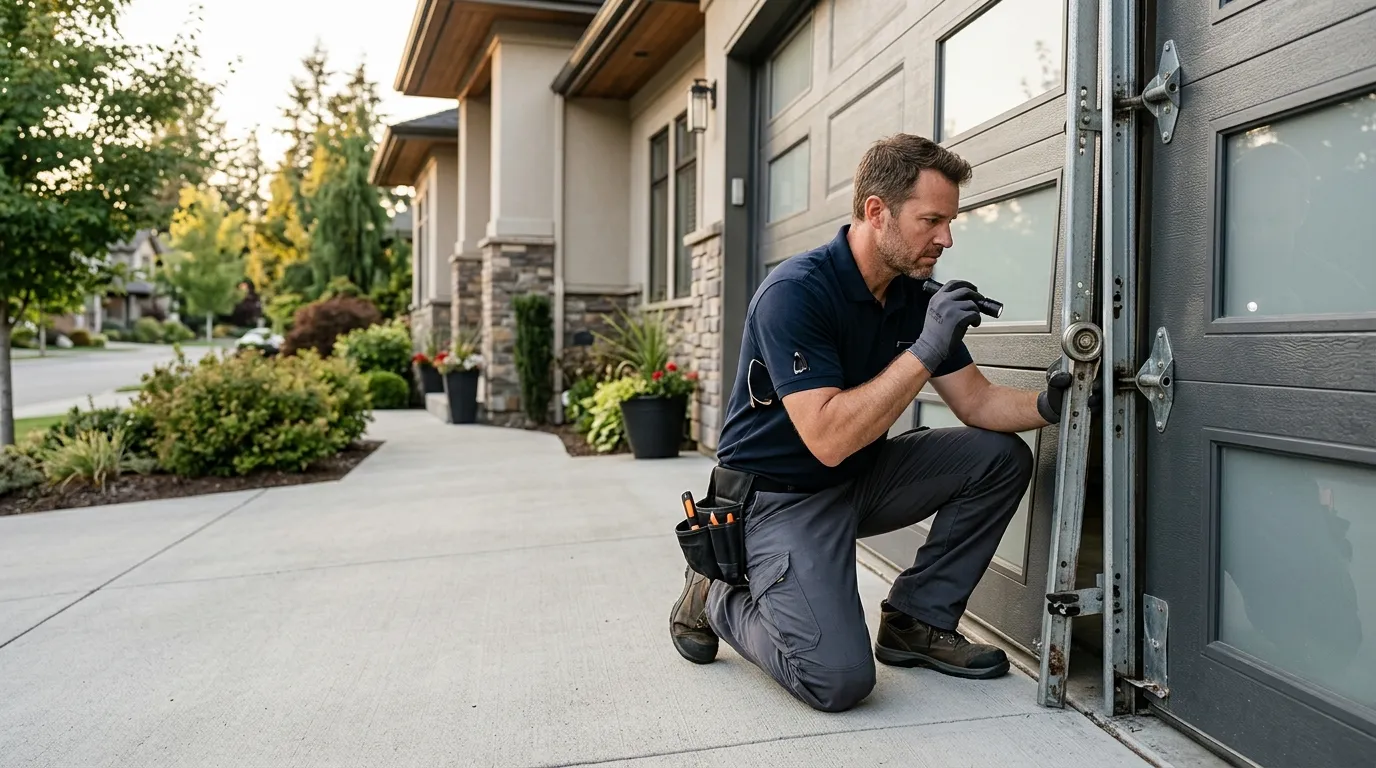
Given the build era, the calls we get from Geneva cluster around a few specific things. Extension springs on 1980s-era steel doors wear on a shorter cycle than the torsion setups in older housing, and they're the single most common failure we see here. Openers installed in that same construction wave are also aging out - the early circuit-board units don't have the safety-reversal sensors required on newer systems, and replacing the opener outright is often the right call rather than patching a 30-plus-year-old logic board.
Rollers and tracks on doors from this period tend to be steel-on-steel rather than nylon, which means more noise and more wear over time, especially with the region's cold winters putting stress on metal parts. We also see a fair number of requests for insulated retrofits - 1986-era steel doors were rarely built with foam core, so owners looking to cut heat loss from an attached garage often ask about a panel swap rather than a full replacement.
How we work
How That Shows Up in the Door
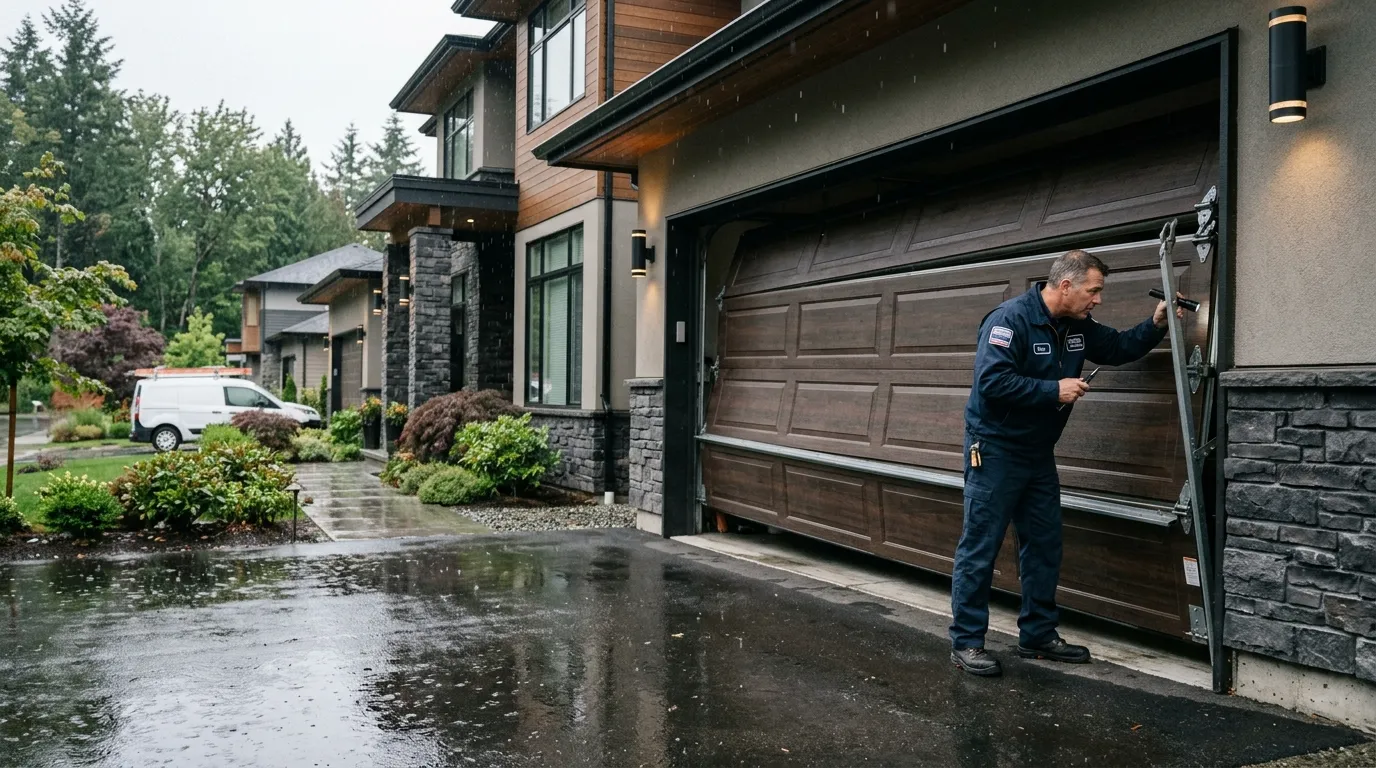
In practice, a Geneva service call usually starts with one of two complaints: a door that's suddenly heavy to lift by hand, or an opener that grinds, stutters, or reverses without touching anything. The first points to a snapped or stretched extension spring - common on doors from the mid-1980s build wave, since those springs have a shorter working life than torsion springs and nobody thinks about them until they fail. The second usually traces back to an aging circuit board or a photo-eye sensor that's drifted out of alignment, more common on original 30-plus-year-old opener units than on anything installed in the last decade.
Cold-weather stiffness shows up here too. Steel track systems from this era contract in winter more than newer aluminum-composite tracks, and that can make a door bind or stick on the first cold mornings of the season. None of this is exotic - it's just what happens when a house built in a specific decade reaches the specific age where its original hardware starts to give out.
Service areas
Other areas we cover near Geneva
Questions
Common questions
Why does a house built in the 1980s need different repair parts than an older one?
Doors and openers installed in the mid-1980s typically use extension springs and early circuit-board openers, not the torsion springs and mechanical timers common in 1960s and 70s construction. The parts, the failure points, and the fix all differ, so we quote based on the door's actual age, not a general estimate.
Do you have a location in Geneva?
No. We run out of Schaumburg, about 16 miles away, and travel to Geneva as part of our service area. We don't keep a local depot here, so scheduling depends on our route that day rather than a same-hour guarantee.
Is it worth replacing an opener from the original construction instead of repairing it?
Often yes. Openers from the 1980s build era lack the safety-reversal sensors required on current units, and a failing circuit board that old is rarely worth patching. We'll tell you honestly when replacement is the cheaper long-term move.
Why do doors stick in winter here?
Steel tracks from older construction contract more in cold than newer composite tracks, and the region's winters are cold enough to make that noticeable. It usually shows up as binding or sticking on the first hard-cold mornings of the season.
Ready when you are
Need a garage door sorted in Schaumburg?
Schaumburg Garage Door Pros repairs and installs garage doors, springs and openers in Schaumburg, IL and the surrounding area.